Blog
Stay ahead of industry trends, stay informed with the latest updates, and keep a close eye on emerging hot topics.
This is the place to gain a deeper and more comprehensive understanding of what we do!
longwill
News
Cartridge Filling Equipments and Oil Pumps Key Processes Explained
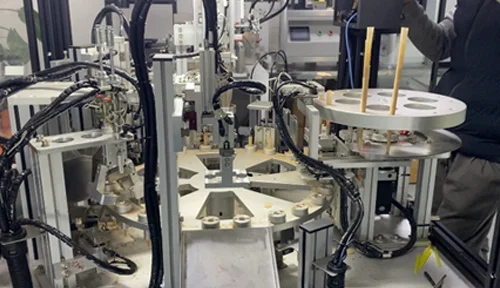
In today’s fast-paced manufacturing environment, efficiency, precision, and reliability are no longer optional—they are essential. This is especially true in industries that handle oils, lubricants, food products, or pharmaceuticals, where even small deviations in volume or quality can affect costs and customer trust. A cartridge filling equipment addresses these challenges by combining advanced automation with precise control mechanisms. From container feeding and indexing to oil pump regulation and post-filling automation, the modern oil cartridge filling machine is designed to streamline operations, reduce waste, and ensure every container meets the highest standards of consistency. This article explores the core automatic processes of cartridge filling equipment and oil pumps, highlighting how they function together and what benefits they bring to your production line. Automatic Processes of an Oil Cartridge Filling MachineContainer Feeding and IndexingWhen you use an oil cartridge filling machine, the first step begins as empty bottles or cans are carried into the filling area on a conveyor system. At this point, sensors detect and count each container to make sure the line flows without interruption. An indexing mechanism—such as a timing screw or a gating device—positions the containers directly under the filling nozzles. This accuracy ensures your production line runs efficiently, while the filling machine consistently prepares each container for the next stage. Filling CycleOnce the containers are in place, the oil filling machine automatically triggers the filling process through its PLC or electronic control unit. Depending on the type of filler you are working with, the machine may use piston technology, a vacuum system, or pump-based mechanisms to dispense the oil. In many modern machines, the nozzles move downward into the container for bottom-up filling, which helps you avoid foaming or splashing. As soon as the programmed volume is dispensed, the valves close immediately, guaranteeing that every container is filled with consistent accuracy. Container OutfeedAfter the filling is done, the indexing system releases the containers, allowing them to travel along the conveyor belt toward the next operation. For your production line, this step creates a smooth transition from the automatic oil filling machine to processes like capping, labeling, or sealing. By keeping this movement seamless, you reduce downtime and maintain a steady workflow, which is critical for high-volume production. Post-Filling AutomationAn oil cartridge filling machine does much more than just dispense oil—it also integrates with post-filling automation to streamline the rest of your operation. After containers are filled, automatic capping units secure the lids tightly, while labeling machines apply product information with precision. Quality control systems, such as checkweighers and advanced sensors, inspect every container to detect inconsistencies, automatically removing any defective items. Finally, the containers are packaged, sealed, and prepared for shipping without requiring manual intervention. This end-to-end automation is what makes an automatic oil filling machine such a valuable investment for businesses that need both speed and reliability in their operations. Automatic Processes of Oil Pumps in Cartridge Filling EquipmentThe Role of Oil Pumps in an Cartridge Filling EquipmentWithin an automatic oil cartridge filling machine, the pump functions as the central component that transfers oil from the storage tank to the filling nozzles. Its primary purpose is to deliver a steady, consistent, and well-regulated flow of liquid. If the pump is unreliable, even the most advanced filling machine will struggle to achieve accuracy or maintain continuous production. For this reason, pumps are often regarded as the core of every oil filling machine, ensuring that precision and efficiency are possible on a large scale. Positive Displacement Pumps for Cartridge Filling EquipmentMost modern oil cartridge filling machines rely on positive displacement pumps because they can manage oils of different viscosities while still providing precise dosing. Two of the most widely used designs are piston pumps and gear pumps:Piston pump: The piston retracts to draw oil into a cylinder and then pushes forward to discharge it, supplying a fixed volume with each stroke.Gear pump: Interlocking gears capture and transport oil from the inlet to the outlet as they rotate, making them suitable for light to heavy oils.By incorporating these pumps, a cartridge filling equipment can achieve highly accurate fills, even with challenging product characteristics.Advanced Pump Control Methods in Oil Cartridge Filling MachinesTo maximize performance, today’s filling machines integrate intelligent pump control systems. Depending on the configuration, you may encounter:Time-based filling: The pump operates for a programmed duration to deliver the target amount of oil.Pulse-based filling: The system tracks gear rotations or internal pump movements, dispensing a set volume after a defined number of pulses.Servo-driven pumps: In many premium automatic oil filling machines, servo motors drive the pumps, offering precise adjustments in speed and displacement. This technology allows for repeatable accuracy, making it ideal for high-volume production where consistency is critical. Pressure Regulation in Oil Cartridge Filling MachinesAnother essential safeguard in an oil filling machine is its pressure regulation system. A pressure relief valve automatically activates if internal pressure rises above safe limits, releasing excess force before closing again. This mechanism not only protects the equipment but also preserves product quality, enabling the cartridge filling equipment to operate safely and reliably over long production runs. Key Benefits of Using a Cartridge Filling EquipmentBoosting Efficiency and Production CapacityWhen you adopt a cartridge filling equipment, your production line can achieve far greater output compared to manual methods. Containers move seamlessly from infeed to filling and downstream processes with minimal downtime. A well-designed filling machine is capable of handling hundreds of containers per hour with reliable accuracy, allowing you to expand capacity without compromising product quality. Precision Filling for Less WasteAnother major benefit of an oil filling machine is its ability to maintain consistent fill volumes across every container. Whether powered by a piston, vacuum, or pump system, the equipment is engineered to minimize variation and eliminate overfills. This precision reduces unnecessary product loss, saves costs on raw materials, and ensures customers receive the correct amount every time. In industries with tight profit margins, such accuracy provides a measurable competitive advantage. Reduced Labor Dependence and Lower CostsBy automating your filling operations, you also reduce the need for excessive manual labor. Instead of multiple operators handling repetitive tasks, an automatic oil filling machine requires only minimal oversight. This not only lowers staffing costs but also reduces physical strain on workers. Freed from repetitive duties, employees can focus on quality assurance, process optimization, and other tasks that add more value to your operation. Enhanced Hygiene and Consistent QualityFor industries such as food processing, pharmaceuticals, or cosmetics, sanitation and consistency are top priorities. A modern oil filling machine is typically built with hygienic design principles, using food-grade or pharmaceutical-grade materials that comply with strict standards. Since the process involves minimal human contact, the risk of contamination is reduced significantly. At the same time, automation ensures that each container is filled to the same high standard, strengthening both product reliability and brand trust. ConclusionWhether your goal is to scale up production, reduce operational costs, or improve product safety, a cartridge filling equipment delivers measurable value across every stage of the process. With intelligent pump systems, precise filling cycles, and seamless integration into packaging lines, these machines ensure both speed and reliability.
longwill
News
Semi Automatic VS Automatic Oil Filling Machine — Which One Is Right for Your Manufacturing Process?
Choosing the right oil filling machine is a critical decision for any manufacturer in the edible oil, beverage, cosmetics, or industrial lubricants sector. The right equipment not only impacts production speed and accuracy but also influences labor efficiency, operating costs, and long-term profitability. Among the most common options, the Semi-Automatic Oil Filling Machine and the Automatic Oil Filling Machine each offer unique benefits and limitations.This article is designed to help you compare the Semi-Automatic Oil Filling Machine and the Automatic Oil Filling Machine in detail—covering their differences, advantages, and ideal applications Understanding the Oil Filling MachineWhat is a Semi Automatic Oil Filling Machine?If your business is in the early growth stage or often needs to handle different types of oil products, a Semi-Automatic Oil Filling Machine can give you the versatility you’re looking for. With this type of oil filling machine, operators manually place containers under the filling nozzles, while the system takes care of accurate dosing and dispensing. This hybrid setup blends the precision of automated filling with the flexibility of manual oversight, making it easier to fine-tune settings for small production runs, specialty oils, or frequent product changes. In most cases, a Semi Automatic Oil Filling Machine requires manual bottle positioning, with the filling process triggered by a foot pedal or control switch. Because an operator is still actively involved, any irregularities can be spotted and corrected right away, and changing between container sizes can be done quickly without major adjustments. This combination of partial automation and manual control makes it a popular choice for custom orders, seasonal batches, trial production, or niche market products where adaptability is crucial. What is an Automatic Oil Filling Machine?When your priority is speed, consistency, and minimal labor involvement, an Automatic Oil Filling Machine can significantly improve production efficiency. In a fully automated oil filling machine setup, bottles are automatically fed along a conveyor belt, passing through filling, capping, and labeling stations without constant human intervention. This seamless process ensures that each container is filled to precise specifications and packaged to maintain consistent quality. An Automatic Oil Filling Machine typically includes features such as automated bottle feeding, high-speed filling heads, and synchronized capping and labeling modules. For manufacturers, this means faster production cycles, reduced labor costs, and lower contamination risks thanks to an enclosed workflow. These machines are widely used in edible oil production, large-scale beverage bottling, industrial lubricants, and cosmetics manufacturing—industries where continuous, high-volume output is essential to staying competitive without compromising quality standards. Key Differences Between Semi Automatic and Automatic Oil Filling MachineFactorSemi-Automatic Oil Filling MachineAutomatic Oil Filling MachineSpeed & Production CapacitySuitable for small to medium-scale output; speed depends on operator efficiency.Designed for high-volume, continuous production with consistent speed.Accuracy & ConsistencyGood accuracy with operator oversight, but consistency may vary slightly between batches.Delivers highly consistent fill levels with minimal variation across large volumes.Labor RequirementsRequires manual bottle placement and supervision; higher labor involvement.Minimal operator input once set up; lower long-term labor costs.Initial Investment & Maintenance CostsLower upfront cost; simpler maintenance.Higher initial investment; maintenance may require specialized technicians.Flexibility for Different Bottle Sizes or ProductsEasy to adjust for different container sizes and oil types; ideal for custom orders.Less flexible for frequent changeovers; best for standardized production.Space & Infrastructure RequirementsCompact design; can fit into smaller production areas.Requires more floor space and structured production layout. When to Choose a Semi Automatic Oil Filling MachineIf your production line is still developing or you often work with smaller, customized batches, a Semi-Automatic Oil Filling Machine can be a practical and cost-effective choice. For small to medium-sized manufacturers and startups, this type of oil filling machine offers solid performance without placing heavy demands on your budget. One of its biggest advantages is adaptability. Changing between different bottle sizes, shapes, or oil varieties can be done with minimal downtime, making it ideal for operations that deal with multiple product lines or seasonal demand. Since a Semi-Automatic Oil Filling Machine involves some manual handling, you keep more control over the process, allowing for on-the-spot adjustments to maintain product quality. This mix of human oversight and partial automation is especially valuable when you want operational flexibility without committing to the cost and infrastructure of a fully automated system. When to Choose an Automatic Oil Filling MachineIf meeting high production targets with consistent quality is a priority, an Automatic Oil Filling Machine can be a game-changer. Built for continuous operation, these systems can handle large volumes—processing hundreds or even thousands of bottles per hour—while maintaining precise and repeatable filling levels. With minimal need for manual intervention, you can significantly increase throughput and allocate staff to other tasks. The automated process ensures uniform fill levels, helping to reduce product waste and enhance brand consistency. The enclosed design of an Automatic Oil Filling Machine also helps protect your product from contamination, which is critical in industries like edible oils, beverages, cosmetics, and industrial lubricants. Although the initial investment is higher compared to semi-automatic models, the long-term gains in efficiency, labor savings, and product quality often make it a worthwhile decision. Key Factors to Consider When Choosing an Oil Filling MachineChoosing between a Semi-Automatic Oil Filling Machine and an Automatic Oil Filling Machine comes down to aligning the machine’s capabilities with your operational needs, product range, and growth plans. Production Volume: For large-scale, continuous output, an automatic system can maintain high capacity without sacrificing quality. For smaller production runs, a semi-automatic setup delivers efficiency at a lower cost.Budget: Automatic models require a bigger upfront investment but tend to provide a better long-term return. Semi-automatic machines are more affordable initially, making them easier to integrate into smaller operations.Product Complexity: Consider the viscosity of your oils and the variety of bottles you use. If you often switch between products or packaging formats, a semi-automatic system is more adaptable.Labor Requirements: Automatic machines reduce staffing needs significantly, while semi-automatic models still require active operator involvement.Quality and Consistency: Automatic systems excel at delivering uniform results, while semi-automatic machines allow more direct control for specialty or custom products. ConclusionBoth the Semi Automatic Oil Filling Machine and the Automatic Oil Filling Machine have their place in modern manufacturing, but the best choice depends on your specific needs. If flexibility, lower initial cost, and hands-on control are your priorities, a semi-automatic system can serve you well. On the other hand, if your business requires high-speed, high-volume output with minimal labor involvement, investing in an automatic system can deliver long-term efficiency and consistency.
longwill
News
Best CBD Oil Bottle Filling Machine in 2025
In this guide, we’ll break down the Top 3 CBD oil bottle filling machines in 2025, explain why choosing the right equipment matters, and walk you through the key factors to consider before making your investment. Whether you’re a startup, a mid-sized producer, or a large-scale manufacturer, the right filling solution can transform your workflow and give you a competitive edge. Top 3 CBD Oil Bottle Filling Machines in 2025MachineIdeal ForKey AdvantagesLimitationsCDA K-Line SLarge-scale productionHigh output, multi-nozzle system, self-cleaningHigher cost, large footprintPack Leader USA FL-12Mid-range productionHigh accuracy, food-grade build, semi-auto flexibilityRequires manual loading, slower than full automationLongWill CompactStartups & small batchesLow investment, fully automated, versatileLower throughput, customization required CDA K-Line S — Best Overall for Large-Scale CBD Oil ProductionProduct OverviewThe CDA K-Line S is engineered for high-demand, continuous production environments. Designed as a linear filling system, it manages everything from thin liquids to thick, viscous CBD oils. Users can select the most suitable dosing method—flowmeter, pump, or piston—depending on product characteristics. With a pressurized tank and clean-in-place (CIP) capability, the K-Line S maintains hygiene standards while minimizing downtime. Configurable with 2 to 8 filling nozzles, it easily integrates into complete packaging lines with capping and labeling units. Key SpecsConfigurable 2–8 filling nozzles; optional plunging nozzles for foamy or aerated productsPressurized product tank with CIP system for easy sanitationOutput capacity up to ~2,500 liters per hour (dependent on fill size and product type)Touchscreen interface, product alignment system, and droplet control; compatible with round, oval, and flat bottles ProsMulti-nozzle scalability supports industrial-level throughputCapable of handling high-viscosity CBD formulations with precision dosingCIP system reduces cleaning time, maintaining consistent productivity ConsHigher upfront investment compared to compact or semi-automatic solutionsRequires a larger operational footprint, making it more suitable for dedicated production areas Pack Leader USA FL-12 Volumetric Oil Filling Equipment — Best Mid-Range Semi-Automatic OptionProduct OverviewThe Pack Leader USA FL-12 offers a balance between precision and affordability for medium-scale CBD oil bottling operations. Powered by a servo-driven volumetric system, it is available with one to four piston-pump configurations. Integrated conveyors, bottle spacing mechanisms, and stabilizing clamps help ensure a steady, consistent fill while minimizing operator error. Its modular setup makes it a strong choice for facilities upgrading from manual to semi-automated production. Key SpecsAccuracy up to ±0.5% with precise bottle positioningThroughput of approximately 15–30 bottles per minute, depending on product and fill size2–4 piston/nozzle options, fill range 150–1000 ml; Panasonic PLC with HMI touchscreen controlBuilt from SS304 frame with SS316 contact parts for compliance with food-grade standards ProsHighly accurate dosing suitable for CBD tinctures and oilsIntegrated material handling components improve consistency over benchtop fillersStrong mid-tier option that’s easy to integrate into an existing production line ConsRequires manual loading/unloading, limiting full automation benefitsOutput speed is lower than fully automated multi-nozzle systemsLongWill Machinery FM06 Compact Automatic CBD Oil Bottle Filling Machine — Best for StartupsProduct OverviewThe LongWill FM06 is purpose-built for small businesses, startups, and pilot production lines needing high precision in a compact format. Originally designed for cartridges and pods, it can also be adapted for small-bottle CBD oil filling, offering flexibility for diversified product lines. Its automatic operation, paired with intuitive touchscreen controls, helps reduce training time and operational errors, while maintaining consistent output. Key SpecsFilling accuracy: ±1%, with dosing resolution as fine as 0.01 mlProduction capacity: 1,800–2,500 units per hour, depending on product typeEquipped with 6 injectors, PLC control, and a user-friendly HMI interface; operates on AC100–240 vCompatible with small bottles as well as cartridges, pods, and pens; contact parts made from food-grade materials ProsLow capital requirement and fast installation make it ideal for new venturesFully automated filling with simple controls minimizes operator errorsFlexible enough to switch between different formats, supporting agile production runs ConsLimited throughput compared to large, multi-nozzle bottling systemsFor larger bottle sizes, may require custom fixtures or an upgraded model Why Choosing the Right Oil Bottling Filling Machine MattersPrecision and ConsistencyFor CBD oil producers, every bottle is a promise to the customer. When someone purchases your product, they expect the same look, taste, aroma, and potency as the last time. Even slight differences in volume or strength can lead to dissatisfaction, returns, or regulatory scrutiny. By choosing a CBD oil bottle filling machine that delivers exact, repeatable dosing, you safeguard product uniformity and maintain both customer trust and compliance. Efficiency for Scaling ProductionAs orders grow, the wrong equipment can quickly become a bottleneck—slowing down workflows, creating stress, and limiting business potential. The right bottling filling machine works as a growth enabler, bridging the gap between small-batch production and full-scale manufacturing. It helps you manage larger runs without compromising quality, giving you the capacity to meet deadlines, expand distribution, and accept bigger contracts with confidence. Safety and ComplianceWithin the CBD industry, safety and quality regulations are not optional—they are essential for brand survival. GMP certification, FDA requirements, and local cannabis laws establish the framework you must operate within. A CBD oil bottle filling machine built to these standards ensures your production process supports legal compliance, protects consumers, and reduces the risk of costly legal issues. Key Buying Considerations for a CBD Oil Filling EquipmentFilling Accuracy and Volume RangeEvaluate the full scope of your product line—whether you fill 10 ml droppers, 30 ml tinctures, or larger bottles. The chosen machine should consistently meet your fill volume requirements across all product sizes. Accuracy here means less product loss, reduced rework, and a more reliable brand image. Production Speed (Bottles per Hour)The right output rate is critical. Too slow, and you risk backlogs; too fast for your current scale, and you might overinvest in unused capacity. Select a CBD oil filling machine that matches today’s demand but also leaves room to grow, so you can scale efficiently without frequent upgrades. Machine Type — Manual, Semi-Automatic, Fully AutomaticDecide how much automation your operation really needs. Manual fillers are budget-friendly but labor-intensive. Semi-automatic machines strike a balance between speed and flexibility. Fully automatic oil filling machines are best for high-volume operations where efficiency and labor savings are top priorities. Material CompatibilityCBD oil’s quality can be affected by the materials it comes into contact with during filling. Food-grade stainless steel parts ensure durability and safety, while PTFE seals provide resistance against oils and extracts. A clean-in-place (CIP) system simplifies sanitation, making maintenance faster and reducing contamination risks. VersatilityProduct trends change. A versatile CBD oil bottle filling machine can accommodate multiple bottle shapes, cap designs, and different oil viscosities—allowing you to diversify your product range without having to buy new equipment for each variation. Budget vs. ROIConsider total cost of ownership, not just the purchase price. A oil filling equipment with higher upfront cost but better efficiency, lower waste, and faster turnaround can deliver a better return in the long run. Think about how the oil filling machine will serve your business not just now, but in the next three to five years. ConclusionSelecting the right CBD oil bottle filling machine is more than a purchasing decision—it’s a strategic move that directly impacts product quality, operational efficiency, and your brand’s reputation.
longwill
News
How Is Live Rosin Made and Why Cartridge Filling Machines Matter
Live rosin has quickly risen to the top of the cannabis concentrate market, celebrated for its solventless extraction, rich terpene profile, and authentic “fresh plant” experience. Unlike many other concentrates, it starts with fresh-frozen cannabis and relies solely on mechanical processes, making it a favorite among purity-focused consumers. However, working with live rosin — especially for vape cartridge production — presents unique challenges due to its thick, sticky texture and sensitivity to heat. In this guide, we’ll explore exactly what live rosin is made of, how it’s processed, the ideal temperature settings for cartridge filling machines, and whether it’s truly healthier than live resin. What Is Live Rosin Made Of ?Live rosin begins with fresh frozen cannabis — entire plants harvested and flash-frozen within mere hours. Rather than undergoing the standard drying and curing steps, the flowers are preserved immediately at sub-zero temperatures. This rapid freeze traps the plant’s natural moisture, locking in its delicate terpene bouquet and active cannabinoids so the aroma, flavor, and effects remain true to the original strain. Skipping the drying phase also shields the plant from oxidation and other degradative changes, keeping its chemical profile as close to “fresh-picked” as possible. This method sharply contrasts with concentrates made from dried flower. Drying can cause fragile terpenes to dissipate, alter cannabinoid composition, and diminish flavor complexity. By starting with fresh frozen material, producers capture the plant’s full vibrancy — yielding a concentrate that delivers cleaner, brighter flavors and a terpene profile that mirrors the living plant’s character. How Live Rosin Is MadeStep 1: Harvest and FreezeThe journey begins the moment the cannabis plants are harvested. Instead of following the traditional drying and curing process, the buds are carefully trimmed and frozen solid within just a few hours. This rapid deep-freezing captures the plant’s natural moisture and locks in its delicate aromatic compounds, ensuring cannabinoids and terpenes remain unaltered. By stopping enzymatic activity almost instantly, it prevents the slow breakdown and terpene evaporation that often occur in air-dried flower. Step 2: Ice Water Hash ExtractionOnce frozen, the cannabis is gently agitated in ice-cold water. The frigid temperatures make the resin glands, or trichomes, brittle enough to snap away from the plant material without damaging their structure. This method uses no solvents, preserving the plant’s original chemistry while minimizing impurities — resulting in a cleaner, more true-to-strain starting material. Step 3: Filtration and CollectionThe trichome-rich slurry is poured through a series of fine mesh filters or “bubble bags,” each with a specific micron size. These screens separate resin heads by grade, with the highest-quality trichomes reserved for pressing into live rosin. The overall quality of the final concentrate is closely tied to the purity, size, and integrity of the trichomes collected at this stage. Step 4: Cold Room DryingThe freshly collected hash is spread out in thin layers within a cool, low-humidity environment. Over several days, excess moisture evaporates without exposing the material to damaging heat. Keeping temperatures low helps prevent oxidation and preserves volatile terpenes, ensuring the hash maintains its aroma, potency, and chemical stability until pressing. Step 5: Rosin PressingWhen the hash reaches its ideal dryness, it’s placed between parchment paper and pressed under carefully controlled heat and high pressure. This process squeezes out a rich, golden oil without introducing chemical solvents. Fine-tuning temperature and pressure is key — too much heat can burn off terpenes, while too little pressure may leave valuable oil behind. The result is a potent, flavorful concentrate that stays true to the essence of the living plant. Step 6: Preparation for PackagingOnce pressed, live rosin can range in texture from a light, whipped consistency to a dense, stable form. For vape cartridge production, the concentrate needs to be conditioned so it fills smoothly without causing clogs or trapping air. This is where using a cartridge filling machine with precise and consistent temperature control becomes essential for maintaining product quality. For most batches, keeping the rosin between 65°C and 75°C (149°F–167°F) offers the ideal balance — warm enough for steady, even dispensing, yet gentle enough to protect the volatile terpenes that define its aroma and flavor. Strains with especially high terpene content, or those processed as “cold cure” rosin, may benefit from slightly lower settings around 60°C (140°F) to preserve their more delicate flavor notes. High-end cartridge filling machines are designed to manage heat at multiple points in the process. The reservoir is gradually warmed to the target temperature to avoid scorching and terpene loss. Heated transfer lines maintain the rosin’s viscosity as it moves toward the dispenser, preventing thickening mid-flow. At the nozzle, carefully controlled warmth ensures the concentrate doesn’t cool and harden before entering the cartridge — resulting in precise, drip-free fills. By managing temperature with this level of accuracy from start to finish, producers can adapt to variations in batch texture and cannabinoid profile, reduce waste, and consistently deliver vape cartridges that reflect the same quality, flavor, and character as freshly pressed live rosin. Cartridge Filling Machine: Best Temperature Settings for Live RosinLive rosin is prized for its potency, rich terpene profile, and solventless extraction process. Yet, its thick, sticky, honey-like texture makes it one of the most challenging concentrates to package — especially in vape cartridges. At this stage, the cbd cartridge filling machine is more than just a tool; it’s essential for smooth, consistent, and high-quality fills. Among all factors, temperature control is the key. Too cool, and the rosin thickens, slowing production and causing uneven fills. Too hot, and delicate terpenes and cannabinoids can be lost, affecting flavor, aroma, and effects. Finding the Ideal Temperature RangeMost experienced operators keep live rosin between 65°C and 75°C (149°F–167°F) when using a cbd cartridge filling machine. This range is warm enough for steady flow yet gentle enough to protect terpene quality. For high-terpene strains or sensitive “cold cure” batches, slightly cooler settings around 60°C (140°F) can help preserve subtle flavors and aromatic complexity. How CBD Cartridge Filling Machines Maintain Optimal HeatModern cbd cartridge filling machines designed for thick extracts like live rosin often use multi-zone heating systems to maintain the right viscosity throughout the process: Reservoir Pre-Heating – Gradually warms bulk rosin to target temperature, avoiding sudden heat spikes that can damage terpenes or cause burnt flavors. Heated Transfer Lines – Keep rosin flowing smoothly to the dispensing head, preventing mid-process thickening. Temperature-Controlled Nozzles – Maintain ideal warmth at the tip to prevent clogs and ensure clean, drip-free filling. Adjusting for Different Rosin TexturesLive rosin isn’t uniform in texture. Fresh “cold cure” batches tend to be soft and workable, while aged or “grease” rosin can be dense and resistant. A cbd cartridge filling machine with precise, stage-by-stage temperature control lets operators fine-tune heat for each batch, ensuring smooth flow without overheating sensitive compounds. Why Temperature Precision Defines QualityAccurate temperature control ensures each cartridge is filled evenly, without air pockets, scorching, or terpene loss. For premium brands, a well-calibrated cbd cartridge filling machine doesn’t just improve efficiency — it safeguards the authentic flavor and potency of fresh live rosin, delivering a clean, flavorful vaping experience that stands out in the market. Is Live Rosin Healthier Than Live Resin?Extraction Method: Mechanical Press vs. Solvent-Based ProcessLive rosin is obtained through a completely mechanical extraction process. Fresh-frozen cannabis is gently washed in ice water to separate trichome heads, which are then pressed under controlled heat and pressure to release the resin. Since no chemical agents are involved, cannabinoids and terpenes remain as close to their original form as possible.Live resin, on the other hand, uses hydrocarbon solvents like butane or propane to dissolve and extract the plant’s active compounds. While this method is fast and highly efficient at retaining aroma and potency, it requires precise purging to ensure that no solvent remains in the final concentrate. Chemical Residue Risk & SafetyThe solventless nature of live rosin means it carries virtually zero risk of chemical contamination, making it a preferred option for those who value purity and natural processing. It also avoids the regulatory requirements associated with solvent-based concentrates. For live resin, when extracted and purged correctly, residual hydrocarbons are typically well below safety thresholds — but mistakes in handling or equipment calibration can leave behind traces. This makes it essential to buy from trusted producers who provide transparent, lab-tested results. Flavor & Full-Spectrum ExperienceMany enthusiasts praise live rosin for delivering an authentic flavor profile, as the absence of chemical interaction helps preserve the natural terpene composition of the plant. The result is a smooth, clean inhale with an effect spectrum that closely matches the original flower. Live resin also offers a rich terpene experience thanks to flash-freezing techniques, yet some subtle differences in aroma and taste can occur due to the solvent extraction stage. While both can be flavorful and potent, rosin’s solvent-free origin often appeals to those seeking the most unaltered, true-to-plant experience. ConclusionWhether you’re a cannabis enthusiast looking for the cleanest, most natural concentrate, or a producer aiming to deliver premium vape cartridges, understanding the nuances of live rosin is essential. From its fresh-frozen origins to solventless extraction, every step preserves the plant’s full-spectrum flavor and potency
longwill
News
What Is Live Rosin——How Cartridge Filling Machines Handle It?
Live rosin has quickly become one of the most sought-after cannabis concentrates, valued for its solvent-free purity, rich terpene profile, and potent cannabinoid content. Unlike traditional extracts, it captures the plant’s essence through a careful mechanical process that avoids chemical solvents altogether.This article is designed to help producers understand the unique challenges of live rosin filling and packaging. We’ll explore how concentration and terpene levels influence viscosity, why proper temperature management is critical, and what types of filling machines are best suited for different extract profiles. What Is Live RosinLive rosin is considered one of the most refined cannabis concentrates, appreciated for its strength, purity, and solvent-free origin. Unlike extracts that rely on hydrocarbons or CO₂, this concentrate is obtained through a mechanical press, where measured heat and pressure draw out the plant’s resin. Its defining element is the use of fresh-frozen cannabis, preserved right after harvest to safeguard the full profile of cannabinoids and terpenes.The outcome is a product with notable chemical richness, typically measuring 60–80% THC alongside 5–15% terpene content. This balance produces an extract that mirrors the living plant itself, offering pronounced flavor, layered scent notes, and a smooth experience.A key distinction of live rosin lies in its inconsistent texture. Depending on cannabinoid strength and terpene ratio, it may take the form of a thin, syrup-like liquid, a whipped, creamy batter, or a denser jam-like material. Such variations not only influence how consumers enjoy it but also present processing and packaging challenges.For large-scale producers, these differences mean that general-purpose cartridge filling machines are often inadequate. Instead, specialized systems are required—equipment designed to handle sticky materials while applying precise, low-temperature control. This protects fragile terpenes and ensures the final product retains the premium qualities that set live rosin apart. How Live Rosin Is MadeLive rosin is created through a solventless extraction process designed to preserve the plant’s natural profile. Rather than using chemical solvents, it relies on cold storage, water-assisted separation, and mechanical force:Fresh-Frozen Cannabis – Right after harvest, cannabis is rapidly frozen to lock in cannabinoids and terpenes before any degradation occurs.Ice Water Separation – The frozen material is gently mixed in ice water, causing resin glands (trichomes) to break free while most plant matter remains behind.Rosin Press (Heat + Pressure) – These trichomes are then pressed under carefully controlled pressure and temperature, producing the extract known as live rosin.Because no hydrocarbons are used, the process avoids residual contaminants and yields a broad-spectrum concentrate that carries both strength and aromatic complexity. Still, the outcome can vary in viscosity and heat sensitivity, making it challenging to handle in large-scale production. These characteristics must be managed with precision, particularly when moving toward automated filling and packaging solutions. Why Concentration Matters for Cartridges Filling MachineLive rosin varies significantly in behavior during processing, and its THC level together with terpene content largely dictate its viscosity. This directly impacts how smoothly the material can be dispensed through a cartridges filling machine:Low to Mid Potency (60–70% THC): The concentrate stays relatively fluid, making it suitable for filling with standard heated units that require only moderate temperature support.Medium to High Potency (70–80% THC): As viscosity increases, precise thermal regulation becomes essential to keep the material flowing while safeguarding terpene integrity.High Potency + High Terpene (75–85% THC, 10%+ terpenes): Dense, sticky, and extremely heat-sensitive. These batches demand advanced systems equipped with multi-zone heating and gentle pumping mechanisms to prevent product damage.For producers, the real challenge lies in maintaining optimal thermal balance. Insufficient heat can cause clogging and inconsistent dosing, while excessive heat degrades volatile terpenes—the compounds responsible for flavor and aroma. By matching the concentrate’s characteristics with the right cartridges filling machine, manufacturers can achieve both reliable throughput and preservation of live rosin’s premium quality. Cartridges Oil Filling Machine Options for Live RosinSince live rosin’s consistency shifts with both potency and terpene levels, the type of filling machine selected has a direct impact on production efficiency, consistency, and overall product quality. In practice, producers generally turn to three main categories of equipment, each designed to handle specific extract profiles. Semi-Automatic Filling MachinesSemi-automatic systems are best suited for concentrates with moderate strength, typically in the 60–70% THC range. Operated manually or with a simple foot pedal, they give operators hands-on control without the complexity of full automation. These machines usually rely on basic heating elements set around 40–50 °C, which is sufficient to reduce viscosity and ensure smooth dispensing while keeping heat exposure low. For labs focusing on pilot runs, artisanal batches, or smaller-scale projects, semi-automatic fillers provide an affordable and flexible solution where adaptability matters more than speed. Heated Automatic Cartridge FillersFor extracts in the 70–80% THC range, heated automatic fillers strike a balance between precision and throughput. They feature advanced thermal management systems that typically hold product temperatures between 50 and 70 °C, keeping the rosin fluid throughout the process. Their pumps are designed to minimize clogging, while dosing systems deliver highly consistent fills for cartridges, syringes, or disposable pens. This type of machine is a strong fit for companies moving into commercial-scale production, as it ensures reliability and repeatability without diminishing the rosin’s flavor or aromatic complexity. Advanced Rosin Filling & Capping LinesHigh-potency rosin with elevated terpene content—often 75–85% THC with more than 10% terpenes—demands specialized equipment. Advanced filling and capping lines use multi-zone heating with individually controlled sections to maintain stable, safe temperatures across the pipeline. Low-shear pumping technology helps safeguard delicate terpenes, while integrated capping and sealing modules transform the process into a streamlined, continuous workflow. These systems are designed for OEM and ODM manufacturers who require large-scale production capabilities while maintaining consistency, protecting product integrity, and maximizing efficiency. Heating Guidelines for Rosin FillingTemperature management is just as critical as machine selection when it comes to filling rosin. Proper heat control ensures the material flows smoothly without damaging its active compounds or altering flavor. Lower-potency extracts in the 60–70% THC range usually perform well at 40–50 °C, which reduces thickness while preserving taste. For medium-strength rosin at 70–80% THC, temperatures between 50 and 70 °C are recommended, providing stable flow and protecting aromatic compounds. High-potency concentrates in the 75–85% THC range benefit most from 45–55 °C, ideally with segmented heating zones to prevent uneven hot spots that could harm terpenes. ConclusionAs consumer demand for solventless extracts continues to rise, producers face growing pressure to scale live rosin production without compromising its delicate profile. From small-batch semi-automatic fillers to fully integrated rosin filling and capping lines, the choice of equipment directly shapes efficiency, consistency, and overall product quality.
longwill
News
What's the Difference Between Live Resin and Distillate?(And Why Your Disposable Cartridges Machine Matters)
This article is designed to help you understand what live resin and distillate are, how they differ in production and application, and why your choice of concentrate should influence the type of cartridge filling machine you use. Whether you’re aiming for terpene-rich, artisanal vape cartridges or high-volume distillate lines, the right combination of product and equipment can make all the difference in quality, efficiency, and market success. What Is Live Resin ?Live resin is a premium cannabis extract created from plants frozen immediately after harvest—long before they undergo the usual drying and curing stages. By halting the aging process through deep freezing, the plant’s natural aromatic compounds remain largely intact. When extraction is carried out under carefully controlled, low-temperature conditions, these compounds—especially terpenes—are preserved in higher concentrations, producing an aroma and flavor profile that closely reflects the fresh plant’s character.This method yields a true-to-plant experience, where the synergy between cannabinoids and terpenes enriches both taste and effect, a phenomenon often called the entourage effect.However, this richness comes with a manufacturing challenge: live resin’s dense, sticky nature makes it less cooperative during cartridge filling. To maintain efficiency and product integrity, producers often turn to specialized heated cartridge filling machines. These systems regulate temperature to keep the resin flowing smoothly, prevent blockages, and safeguard its delicate flavor chemistry. What Is Distillate ?Distillate is a highly concentrated cannabis oil that undergoes extensive refinement to achieve exceptional cannabinoid purity, often surpassing 90% THC or CBD. The process begins with extracting crude cannabis oil, which is then purified through molecular distillation—a technique that uses heat and vacuum to isolate cannabinoids while removing terpenes, lipids, and other plant by-products.The end product is a clear, powerful extract with minimal natural scent or taste, offering a clean base for a variety of applications. Because of its neutral profile, distillate can be infused into edibles, topicals, and vape oils, and is often blended with botanical terpenes or flavors to create tailored consumer experiences.In manufacturing, distillate’s thin, free-flowing consistency makes it far easier to process than thicker extracts like live resin. When used with an automated disposable cartridges machine, producers can achieve fast throughput, precise dosing, and reduced product waste—an advantage that’s especially valuable for high-volume production lines. Live Resin vs. Distillate: How Are They Different?Although live resin and distillate are both highly popular cannabis concentrates, they differ in raw materials, processing techniques, flavor profiles, and how they behave during production. Knowing these differences helps consumers choose the right product—and helps disposable cartridges machine manufacturers decide on the most suitable cartridge filling equipment.AspectLive ResinDistillateStarting MaterialFresh cannabis, frozen immediately after harvestDried and cured cannabis flower or trimProcessing MethodLow-temperature solvent extraction to retain natural terpenesSolvent extraction followed by molecular distillationCannabinoid ContentGenerally 60–80% THC or CBDOften 90%+ THC or CBDTerpene ProfileHigh—rich, aromatic, and flavorfulVery low—neutral aroma; flavor can be added backTexture & FlowDense and sticky, harder to dispenseThin and free-flowing, easy to handleCommon ApplicationsPremium vape cartridges, dabbingEdibles, flavored vape oils, topicalsFilling RequirementsNeeds heated, temperature-controlled cartridge fillers to prevent clogging and preserve flavorCompatible with high-speed, precision cartridge filling machines From a production standpoint:Live resin’s thicker consistency makes it more challenging to dispense, so heated cartridge filling systems with precise temperature control are essential to keep it flowing smoothly and protect its delicate terpene profile.Distillate’s fluid nature works perfectly with automated high-output fillers, enabling fast, accurate, and large-scale production runs with minimal downtime.By matching the right concentrate to the right filling technology, manufacturers can maintain product quality, optimize production speed, and deliver a consistent experience—whether crafting small-batch, terpene-rich vape carts or high-volume, potency-driven distillate products. Which Is Better for Your Products – and Your Disposable Cartridges Machine?The choice between live resin and distillate ultimately hinges on your target customers, the flavor and aroma experience you aim to deliver, and the capabilities of your production setup. Live resin appeals to those who appreciate a rich, terpene-heavy profile, yet its dense, sticky texture requires a heated, temperature-regulated cartridge filling machine to maintain smooth flow and protect the delicate aromatic compounds. Distillate, on the other hand, delivers exceptional potency and versatility. Its naturally fluid consistency passes effortlessly through high-speed automated fillers, making it a top pick for large-scale, efficiency-driven operations.In the end, it’s not simply a matter of which extract is “better”—it’s about ensuring your chosen material is matched with the right filling technology. The right pairing between concentrate and cartridge filling equipment can guarantee consistent dosing, reduce production losses, and optimize throughput—whether you’re creating small-batch, flavor-rich live resin vape carts or high-volume distillate lines aimed at maximum cannabinoid content. ConclusionIn the fast-growing cannabis market, product differentiation comes down to both what you sell and how you make it. By aligning your extract choice with the right disposable cartridges machine, you can ensure every cartridge meets your quality standards, reduce operational inefficiencies, and maximize your return on investment.
longwill
News
How To Consume Live Resin
Live resin has quickly earned a reputation as one of the most flavorful and potent cannabis concentrates available. Its unique extraction method—using fresh, flash-frozen plants—preserves terpenes and cannabinoids in a way that dried flower simply can’t match. But with multiple ways to enjoy it, from dabbing to edibles, many users wonder: what’s the best way to consume live resin?This guide breaks down the top consumption methods based on intensity, convenience, and experience level—so whether you're a beginner or a seasoned user, you can make the most of this powerful concentrate. For manufacturers, using specialized cartridge filling machines ensures that live resin is delivered with consistent quality and potency in every vape. What is the Best Way to Consume Live Resin MethodWhat It IsWhy Choose ItKey Tools NeededOnset TimeExperience LevelDabbingVaporizing live resin on a heated nail using a dab rigMaximum potency, full terpene flavorDab rig, dab nail or banger, torch or e-nail, dab toolSecondsIntermediate to AdvancedVapingUsing a vaporizer pen or device to heat live resinPortable, discreet, easy to useVape pen or portable concentrate vaporizer1–5 minutesBeginner to IntermediateAdding to FlowerMixing live resin into joints or bowls with cannabis flowerBoosts flavor, increases potencyFlower, joint or bowl, dab tool2–5 minutesBeginnerInfused EdiblesCooking live resin into food after decarboxylationLong-lasting effects, no smoke or smellOven, fat-based ingredient (e.g., butter or oil), recipe30–90 minutesIntermediateTincturesDissolving live resin into alcohol for sublingual or oral usePrecise dosing, fast onset, discreetHigh-proof alcohol, dropper bottle, time for infusion15–30 minutes (oral)Beginner to Intermediate Understanding Live Resin ConsumptionLive resin stands out in the world of cannabis concentrates due to its exceptional flavor and potency. Unlike extracts derived from dried and cured buds, live resin is made from freshly harvested cannabis that’s flash-frozen at its peak. This process preserves the plant’s full terpene profile and delivers a more aromatic, flavorful, and powerful product.What makes live resin particularly appealing is its flexibility. It can be enjoyed in several different forms, each offering a unique experience. Whether you're a seasoned concentrate enthusiast or new to cannabis extracts, the method you choose should reflect your desired intensity, convenience, and lifestyle.Dabbing: A Bold and Flavorful Way to Enjoy Live ResinFor those seeking a truly robust cannabis experience, dabbing remains one of the most impactful ways to consume live resin. This method involves vaporizing a small amount of concentrate on a heated surface—typically a quartz or titanium nail—using a dab rig designed specifically for extracts. When the resin meets the hot nail, it instantly transforms into vapor, delivering a highly potent and terpene-rich hit.What sets dabbing apart is its immediacy and intensity. With live resin's high cannabinoid content, effects are felt almost instantly, making it an ideal option for experienced users or those in need of rapid relief. When done at optimal temperatures (usually between 500–600°F), dabbing also preserves the resin’s full terpene spectrum, offering a flavorful and immersive experience.To get started, you'll need a dab rig, a dab tool, a torch or e-nail, and of course, quality live resin. Simply heat the nail, apply a small amount of resin, and inhale slowly. The effects are powerful, smooth, and near-instantaneous.Behind the scenes, the live resin used in dabs often begins its journey with precise extraction and storage systems, ensuring purity and potency from the start. In large-scale operations, automatic cartridge filling machines help portion and preserve these high-grade concentrates—not just for vapes, but also for packaging dabs and other premium formats.Vaping: Convenient, Low-Key, and Beginner-FriendlyFor those who value portability and simplicity, vaping live resin is a go-to method. Vaporizer pens and portable devices gently heat the concentrate to release flavorful vapor—without the harsh combustion associated with smoking. This method offers a smoother inhale and more controlled experience while retaining much of the resin’s terpene profile.Vaping stands out for its convenience and discretion. Devices are compact, odor-minimizing, and easy to use—simply load a small dab of resin into the chamber, set your temperature (usually 350–400°F), and inhale. It’s especially friendly for beginners or casual users, but also appreciated by seasoned consumers for on-the-go sessions.Importantly, most of the vape cartridges you see on dispensary shelves are filled using cartridge filling systems optimized for thick, viscous extracts like live resin. Disposable pen machines ensure each cart is dosed accurately and sealed in sanitary conditions—maintaining quality, consistency, and efficiency at scale.Adding to Flower: Simple Upgrade, Big ImpactIf you already enjoy smoking flower, adding a bit of live resin is a quick and effective way to elevate your session. Whether mixed into a joint, layered into a bowl, or topped on a blunt, this method enhances both potency and flavor without straying far from traditional consumption.Live resin’s rich terpene content complements the natural aroma of cannabis flower, while its high cannabinoid levels deliver a stronger, longer-lasting high. For best results, use a dab tool to mix the resin evenly with your ground flower or gently spread it on top.In the commercial space, this approach has inspired a surge in live resin-infused pre-rolls. Producers use precise cartridge filling or dosing systems—the same technology behind vape cartridge filling machines—to accurately apply resin to flower blends. This ensures a consistent product across batches and an enjoyable experience for every user.Edibles: Long-Lasting Relief Without InhalationEdibles infused with live resin offer a powerful and smoke-free way to enjoy cannabis. Thanks to its full-spectrum cannabinoid and terpene content, live resin brings depth and richness to edibles like gummies, baked goods, and oils.The process begins with decarboxylation, where live resin is gently heated (typically around 220°F) to activate THC. It’s then blended into a fat-based carrier like butter or oil before being added to recipes. The result is a slow-onset, long-lasting edible that’s especially popular for nighttime or sustained relief.From a production standpoint, automated dosing and blending machines are crucial when making live resin edibles at scale. Similar to automatic disposable pen machines, these systems ensure uniform distribution of cannabinoids and terpenes—essential for accurate labeling and consistent consumer effects.Tinctures: Clean, Controlled, and Fast-ActingTinctures offer a flexible, inhalation-free way to consume live resin with precise dosing. When administered sublingually (under the tongue), they provide fast absorption—typically within 15 to 30 minutes. Alternatively, they can be added to drinks or recipes for slower, more sustained effects.Making a live resin tincture involves dissolving the concentrate in high-proof food-grade alcohol. The mixture is stored in a sealed container, shaken regularly, and later strained and bottled for use. The result is a discreet, easy-to-dose product that retains the full character of the original resin.At the manufacturing level, producers rely on precision mixing and bottling machines to ensure that every tincture batch is evenly dosed and shelf-stable. In fact, many facilities adapt cartridge filling systems to handle liquid products, streamlining the transition from concentrate to finished tincture. Disposable Pen Machine with Live Resin: Where Craft Meets AutomationFor producers looking to scale live resin offerings without sacrificing quality, pre-filled vape cartridges have become a preferred format. They combine consumer convenience—on-the-go usage, discreet vapor, and flavorful hits—with the rich terpene and cannabinoid profiles that make live resin so desirable.However, the viscosity and thermal sensitivity of live resin pose unique challenges during production. To preserve the extract’s full-spectrum properties, precision-engineered filling systems are critical. Specialized machines tailored for viscous concentrates must be able to:Apply gentle, controlled heat to keep the resin malleable without degrading sensitive compoundsDeliver consistent dosing to meet regulatory standards and consumer expectationsOperate in a sealed, hygienic environment to prevent contamination and product lossModern automated cartridge filling machines designed specifically for live resin or solventless extracts offer a reliable solution. Equipped with features like temperature-regulated tanks, non-drip dispensing, and customizable fill volumes, these systems streamline production while preserving product quality.For any operation looking to deliver premium live resin vape products at scale, investing in a dedicated filling machine is more than a convenience—it’s a key to ensuring every cartridge lives up to the high standards your customers expect. ConclusionLive resin offers unmatched flavor, aroma, and versatility—and how you consume it can dramatically affect the overall experience.
longwill
News
What does live resin do
In the evolving world of cannabis concentrates, live resin has emerged as a standout for its rich flavor, powerful effects, and remarkable chemical complexity. Unlike traditional extracts made from dried and cured flower, live resin is crafted from freshly harvested cannabis plants that are immediately flash-frozen to capture the full essence of the living plant. This unique process preserves a broader range of cannabinoids and terpenes, resulting in a product that is both potent and true-to-flower.This article is a comprehensive guide to live resin—what it is, how it’s made, what makes it special, its benefits, storage tips, and safety considerations when vaping. Whether you're a medical patient seeking fast-acting relief or a cannabis connoisseur looking for flavor and complexity, this article will help you understand why live resin has become one of the most sought-after concentrates in the cannabis space. What Is Live Resin ?Live resin is a premium cannabis extract known for its potent aroma, broad cannabinoid profile, and authentic flavor. Unlike other concentrates made from dried cannabis flowers, live resin is produced from freshly harvested plants that are immediately flash-frozen, preserving the full essence of the plant.This concentrate not only offers high potency but also provides a true-to-flower experience. Many cannabis enthusiasts believe that live resin is the closest you can get to the plant itself, without combustion.The Birth of Live ResinThe concept of live resin originated in Colorado in the early 2010s, where a group of extractors aimed to solve a key problem: how to preserve the full flavor and terpene complexity of cannabis during the extraction process. Conventional concentrates, such as shatter and wax, were typically made from dried and cured flowers, which caused a significant loss of delicate terpenes—key compounds responsible for both the aroma and therapeutic benefits of the cannabis plant.Pioneers like Kind Bill and Jason Emo developed a revolutionary method: freeze the plant immediately after harvest and maintain sub-zero temperatures throughout the extraction process. By doing so, they were able to retain a higher concentration of volatile terpenes and other aromatic compounds, effectively preserving the plant’s freshest form.Thus, live resin was born: a concentrate that maintains the freshness and complexity of the cannabis flower.What Sets Live Resin Apart from Other ConcentratesTraditional cannabis concentrates are made from dried and cured flowers, which undergo a lengthy drying process. While this improves shelf stability, it results in a loss of essential terpenes—sometimes as much as 50–70%—as well as some minor cannabinoids. These losses are inevitable in the conventional drying process.In contrast, live resin is created using flash-frozen whole plants, which preserves:A full-spectrum cannabinoid profile (including THC, CBD, CBG, and others)A high concentration of terpenes, such as myrcene (earthy), limonene (citrusy), pinene (piney), and caryophyllene (spicy)Unique aromatic compounds that contribute to each strain's distinct identityThese attributes give live resin its signature viscous texture—often a blend of crystalline cannabinoids suspended in a terpene-rich sauce. Depending on the processing methods used after extraction, live resin can be found in various forms, such as:“Diamonds and sauce” (THC crystals in terpene oil)“Sugar” (a grainy, crystallized texture)“Badder” or “budder” (whipped, creamy consistency)Regardless of the form, each type of live resin retains the full-spectrum potency, complex flavor, and terpene richness that define its high quality. Benefits of Live ResinLive resin isn't just another concentrate—it's a uniquely potent product that offers several significant advantages for both medical and recreational cannabis users. With its superior flavor, fast-acting effects, and therapeutic potential, live resin truly stands apart in the world of cannabis extracts.Rich Flavor and AromaWhat sets live resin apart from other concentrates is its ability to preserve the full terpene profile of the cannabis plant. Terpenes are the aromatic compounds responsible for the plant's signature smells and flavors, as well as contributing to its therapeutic effects. Because live resin is made from fresh, flash-frozen cannabis, it maintains the original, vibrant terpenes, resulting in a more dynamic and robust flavor profile.Whether you’re enjoying the citrusy zing of limonene, the earthy undertones of myrcene, or the piney notes of pinene, live resin offers a flavor experience that’s unparalleled. It’s the closest you can get to the plant's natural aroma, offering a more authentic, flavorful experience than other concentrates. Many users compare it to smoking fresh cannabis but without the combustion, making it a perfect choice for flavor enthusiasts.Powerful EffectsLive resin is highly concentrated, which means it packs a potent punch in terms of its cannabinoid content, especially THC, CBD, and other minor cannabinoids. This powerful combination provides intense effects that are felt quickly, whether you're using it for recreational or medicinal purposes.For recreational users, live resin can induce euphoria, increase sensory perception, and promote a sense of relaxation. On the other hand, its rich cannabinoid profile makes it an effective option for medical users, providing relief from conditions such as chronic pain, nausea, anxiety, and insomnia. This versatility makes live resin a go-to concentrate for those looking for both strength and therapeutic benefits.The Entourage EffectOne of the standout benefits of live resin is its ability to amplify the entourage effect. This term describes the synergistic relationship between cannabinoids and terpenes, where each compound works together to enhance the overall experience.While THC is well-known for its psychoactive effects, terpenes like limonene can reduce stress and anxiety, while caryophyllene may offer anti-inflammatory benefits. This synergy allows live resin to provide a more balanced experience, where the various compounds complement and amplify each other’s effects. The entourage effect gives live resin a holistic therapeutic profile, making it a highly effective option for those seeking multidimensional relief.Rapid Onset of ReliefLive resin’s unique consistency and the way it is consumed—typically via vaping or dabbing—allow it to enter the bloodstream quickly, providing immediate relief. This makes live resin a top choice for users who need quick action for acute symptoms like pain flare-ups, sudden anxiety attacks, or insomnia.Because it is absorbed almost instantaneously, live resin provides relief that’s far faster than traditional edibles or oils, which may take longer to take effect. For those who need fast, targeted relief, live resin is ideal for addressing immediate discomfort without waiting for delayed effects.High Therapeutic PotentialLive resin is not just for recreational users—it also has immense therapeutic potential. With its broad cannabinoid profile and rich terpene content, live resin offers comprehensive relief for those with chronic conditions such as PTSD, muscle spasms, and inflammation. The combination of cannabinoids and terpenes in live resin allows it to address a variety of symptoms at once, making it a versatile treatment for medical cannabis patients.Thanks to the entourage effect, live resin enhances the efficacy of treatment, offering more than just isolated cannabinoid products can. It’s a powerful tool for those who need multifaceted relief from both physical and psychological symptoms.Precise Control Over DosageDue to its high concentration, live resin gives users greater control over their dosage. Whether used for recreational enjoyment or medicinal purposes, the potent effects of live resin allow users to start with a small dose and gradually increase it to find their optimal experience. This gives users the ability to adjust their intake to suit their needs—whether aiming for a mild buzz or a stronger therapeutic effect.In conclusion, live resin is more than just a flavorful concentrate—it's a multi-faceted product that delivers fast-acting relief, potent effects, and therapeutic versatility. Whether you're seeking a flavorful, authentic experience or powerful, full-spectrum relief, live resin offers a truly complete cannabis experience that combines terpenes and cannabinoids for maximum benefit. How to Make Live ResinCreating live resin is a precise and specialized process that requires advanced knowledge and proper equipment. The goal is to preserve the full terpene profile and cannabinoid content of the plant, ensuring the final concentrate maintains the freshness and complexity of the original cannabis. Here’s an overview of the process:Harvesting Fresh CannabisThe first step in creating live resin is to harvest the cannabis plant at its peak maturity. This ensures that the flowers contain the highest concentration of terpenes and cannabinoids. Unlike other extracts, live resin is made from fresh, undried cannabis to preserve its natural chemical composition.Flash Freezing the PlantsAfter harvesting, the plants must be immediately frozen at extremely low temperatures (typically -40°C or lower) to halt the degradation of terpenes and cannabinoids. This flash-freezing process preserves the delicate volatile terpenes, which are crucial for the flavor and aroma of live resin. The rapid freezing locks in the freshness of the plant, which is key to its unique profile.Hydrocarbon ExtractionOnce frozen, the next step is hydrocarbon extraction, commonly using butane or propane as solvents. This method extracts the cannabinoids (such as THC and CBD) and terpenes from the plant material. The extraction process involves passing the solvent through the frozen plant material to pull out the essential compounds. This step is critical for achieving the high terpene content that defines live resin.Purging the SolventAfter extraction, the solvent used in the process must be purged to remove any residual chemicals. This step is essential for safety, as residual solvents can affect the purity of the product and pose health risks. The purging process typically involves vacuum ovens or other techniques to evaporate the solvent, leaving behind a clean concentrate free of impurities.Final PackagingOnce the extraction is complete and the solvent has been purged, the live resin is ready to be packaged. It is often stored in glass jars or filled into vape cartridges for easy use. Proper packaging is important to maintain the terpene integrity and prevent contamination, ensuring the final product remains fresh and potent.Why Live Resin Should Be Made in Licensed FacilitiesGiven the complexity and safety concerns involved in making live resin, it is essential that this process be conducted in a licensed facility with professional-grade equipment. The use of flammable solvents like butane and propane requires strict adherence to safety protocols to prevent accidents. For these reasons, home extraction is not recommended and should be avoided, as it poses both health risks and potential legal issues.In conclusion, producing high-quality live resin requires careful attention to detail at every step. From harvesting fresh cannabis to purging solvents and packaging the final extract, each stage of the process must be executed with precision to create a premium concentrate that captures the true essence of the cannabis plant. How to Store Live ResinStoring live resin correctly is essential to maintaining its potency, flavor, and overall quality. Improper storage can lead to a loss of terpenes and affect the aromatic profile. To preserve its freshness and strength, here are some practical tips for storing your live resin:Store in a Cool PlaceTo maintain the integrity of live resin, always store it in a cool environment. The ideal spot is a refrigerator or a dark, cool area. Keeping it at a low temperature helps slow the degradation of both cannabinoids and terpenes, ensuring it stays fresh and potent for a longer time.Opt for Airtight ContainersTo prevent the loss of essential terpenes and avoid contamination, place live resin in airtight containers. Glass jars or silicone containers with tight-fitting lids work best. These materials don’t react with the resin and won’t interfere with its chemical composition, helping to preserve its flavor and aroma.Shield from Light and HeatExposure to light and heat can cause cannabinoids and terpenes to degrade quickly, diminishing the quality of your live resin. Always store your concentrate away from direct sunlight or other sources of heat. Ultraviolet rays and warmth break down the compounds, reducing potency and flavor.Preserve for the Long-TermWhen stored correctly in a cool, dark place with airtight seals, live resin can maintain its freshness and potency for months. Proper storage ensures that the flavor and aromatic richness remain intact, allowing you to enjoy the full benefits of the concentrate whenever you choose. What Is So Special About Live Resin ?Live resin earns its reputation as a premium cannabis concentrate through a combination of unique production techniques and full-spectrum chemical integrity. Unlike extracts that rely on dried, cured cannabis material, live resin begins with freshly harvested plants that are flash-frozen immediately after cutting. This rapid freezing halts degradation and helps preserve the plant’s original chemical profile—especially the volatile terpenes responsible for flavor, scent, and many therapeutic properties.What truly distinguishes live resin is its ability to retain a complete range of cannabinoids and terpenes, including THC, CBD, and numerous lesser-known compounds like CBG, CBC, and others. This creates a multi-dimensional profile that enhances both flavor and effect. The resulting product doesn’t just taste better—it delivers a richer, deeper, and more nuanced experience, whether vaporized or dabbed.Because of this, live resin is often described as the closest thing to consuming raw cannabis flower, but in a more concentrated and powerful form. Its aroma intensity, vapor complexity, and therapeutic potential make it a top-tier choice for those seeking an authentic and elevated cannabis encounter. Is Vaping Live Resin Bad for You ?When obtained from certified, quality-controlled sources, vaping live resin is generally safe for adult users. However, a few important guidelines should be followed to ensure a safe and enjoyable experience:Start by verifying the source and quality of the product. Always choose live resin manufactured by licensed producers that conduct comprehensive third-party lab testing. These tests confirm the absence of pesticides, heavy metals, residual solvents, and other harmful contaminants—factors critical to consumer safety.Equally important is avoiding black market vape cartridges, which may contain unapproved additives, such as vitamin E acetate—a substance linked to serious lung injury. To reduce risk, opt for products that offer full transparency, including lab results and ingredient disclosures.Keep in mind that live resin is highly concentrated, and its potency may be stronger than expected, particularly for newer users. It’s wise to begin with low doses, observe how your body responds, and only increase gradually as needed. This approach minimizes the chance of overconsumption, which could lead to discomfort or adverse effects like anxiety or dizziness.Ultimately, like any cannabis product, live resin should be used mindfully and in moderation. If you’re managing a health condition or taking prescription medications, consult a healthcare provider before integrating live resin into your wellness routine. Responsible use is key to unlocking its benefits while minimizing any potential risks. Learn morehttps://longwillmachinery.com/Blog/its-a-balancing-act-to-fill-cartridges-with-live-resin-or-live-rosin.htmlhttps://longwillmachinery.com/Blog/live-resin-vs-rosin-whats-the-difference-between-the-two.htmlhttps://longwillmachinery.com/Blog/how-to-make-live-rosin-cartridges.html ConclusionFrom its fresh-frozen origins to its broad cannabinoid profile and terpene-rich aroma, live resin represents the pinnacle of modern cannabis extraction. It offers a multi-sensory experience that mirrors the complexity and nuance of the plant in its purest form—delivering rapid relief, full-spectrum effects, and a depth of flavor unmatched by traditional concentrates.
longwill
News
How to Make Live Rosin Cartridges
This article is a step-by-step guide on how to make Live Rosin cartridges, a popular choice in the cannabis market due to their purity, potency, and solvent-free extraction process.What Is Live RosinLive Rosin is a high-end cannabis concentrate celebrated for being completely solvent-free, while offering exceptional potency and a rich terpene profile. Produced from cannabis plants that are frozen immediately after harvest, this method ensures maximum preservation of the plant’s natural compounds. The extraction process begins with making ice water hash (commonly known as bubble hash), which is then carefully pressed under controlled heat and pressure to release the rosin. Since no chemical solvents are used at any stage, the final product is clean, flavorful, and highly aromatic. Live Rosin is a top choice for cannabis enthusiasts and medicinal users who prioritize safety, purity, and a true-to-nature experience.Why Live Rosin Cartridges Are So PopularLive Rosin has quickly become a favorite in the cannabis industry thanks to its solvent-free extraction process and the high-quality concentrate it produces. Unlike other concentrates that rely on solvents, Live Rosin is created by applying heat and pressure to freshly frozen cannabis flowers or hash. This method preserves the full spectrum of terpenes and cannabinoids, resulting in a potent, clean concentrate free from chemical residues.The primary appeal of Live Rosin cartridges lies in their purity. Since no solvents are used in the extraction process, Live Rosin retains all the plant’s natural compounds, making it a cleaner, safer product. This ensures consumers get the full benefits of the plant without any unwanted chemicals or residual solvents.Another key reason for Live Rosin’s popularity is its rich flavor and aroma. By maintaining the terpenes during extraction, Live Rosin offers a more authentic, flavorful vaping experience, unlike other concentrates where much of the flavor profile is lost. This depth of flavor makes it particularly appealing to consumers who prioritize taste and aroma.In addition to flavor, Live Rosin is also renowned for its potency. The extraction process retains the full range of cannabinoids, delivering a powerful, full-spectrum effect that many users find more intense and satisfying than other concentrates. This potency makes Live Rosin cartridges the go-to choice for individuals seeking a stronger and more effective cannabis experience.With its purity, rich flavor, and impressive potency, Live Rosin has established itself as a premium product in the cannabis market. This has sparked increased demand for high-quality production methods, further solidifying its reputation as a top-tier concentrate. Step 1: Preparing Live Rosin for Cartridge FillingBefore filling cartridges, it’s crucial to properly prepare Live Rosin to ensure the process runs smoothly and consistently. Live Rosin’s natural thickness and stickiness make it more challenging to handle than standard oils, so careful preparation is key to avoiding common issues like clogging, uneven filling, or waste.Start by gently warming the Rosin to achieve a workable viscosity. The aim is to soften the concentrate enough so that it becomes flowable without compromising its quality. Controlled heating is essential — if the temperature is too high, the Rosin can lose valuable terpenes or become overly thin, while insufficient heat can leave it too thick for accurate dispensing.Once the Rosin reaches the right consistency, it’s good practice to filter the material. This helps remove any small particles, plant matter, or impurities that could interfere with the filling equipment or affect the quality of the final product. Clean, smooth Rosin not only protects your equipment but also ensures a better user experience.Lastly, check that the consistency is uniform throughout the batch. A homogenous texture allows for more reliable filling, as variations in viscosity can lead to inconsistent cartridge performance. Properly prepared Live Rosin supports a more efficient, accurate, and professional filling process, helping maintain product quality from start to finish. Step 2: Choosing the Right Oil Filling Machine for Live RosinTo achieve smooth and reliable Live Rosin cartridge production, selecting oil filling equipment specifically engineered for thick, viscous concentrates is essential. Unlike standard oil filling machines designed for more fluid substances, Live Rosin requires machinery capable of handling its unique texture without compromising efficiency or product quality.One of the key considerations is temperature adaptability. The ability to gently warm the material ensures that the Rosin maintains the appropriate flow characteristics throughout the filling process. Machines with stable temperature management help avoid issues like inconsistent fills or premature cooling, which can cause blockages.Equally important is precision filling technology. Look for oil filling equipment that offers fine-tuned controls to deliver accurate, repeatable dosing. This not only supports product consistency but also reduces material waste, which is especially important given the high value of Live Rosin.Finally, consider equipment designed to handle high-viscosity oils without frequent maintenance. Features like wide-diameter nozzles, optimized flow paths, and clog-resistant components help maintain productivity by minimizing interruptions. These design elements ensure smoother operation, even with the stickiest concentrates. Step 3: Precision Matters — Filling Live Rosin Without Waste or DefectsWhen filling Live Rosin cartridges, precision is not just important — it’s essential. These cartridges typically contain small, high-value amounts of concentrate, so even minor inaccuracies can result in material loss, inconsistent potency, or a poor user experience.To maintain accuracy, carefully adjust the machine’s fill volume settings to match the specific requirements of each cartridge. This helps avoid issues like overfilling or underfilling, which can affect both the product’s appearance and its performance. Additionally, consistently monitor the viscosity of the Live Rosin during production. Any change in consistency — whether from cooling or overheating — can impact how evenly and accurately the Rosin fills each cartridge, potentially leading to leaks or defects.For added reliability, vacuum-assisted or pressure-assisted filling systems are highly recommended. These methods help remove air pockets, ensuring smooth, uniform fills and reducing the risk of leaks or cartridge malfunctions. A controlled filling environment minimizes waste and supports a higher standard of product quality. Step 4: Recommended Oil Filling Equipments for Live Rosin Cartridge ProductionFor manufacturers working with thick, high-viscosity concentrates like Live Rosin, the Longwill’s FM-07 Auto Robo Filling Machineoffers a tailored solution. Specifically designed for these challenging materials, it streamlines production while maintaining accuracy and consistency.Key features of the FM-07 include:Temperature Control to ensure the Rosin maintains optimal viscosity throughout the filling process.Precision Volumetric Filling to deliver accurate dosing, with customizable settings for different oil types and production needs.Anti-Clogging Design to keep production running smoothly, even with sticky concentrates.Vacuum-Assisted Filling to reduce air bubbles and improve fill stability.These capabilities make the FM-07 a smart investment for producers seeking efficiency, consistency, and top-tier quality in Live Rosin cartridge manufacturing. Step 5: Final Steps — Capping, Leak Testing, and Quality ControlOnce the cartridges are filled, attention to the final production steps is critical for maintaining quality and protecting your brand’s reputation.Start by securing the caps properly to prevent leaks and contamination. A reliable, airtight seal safeguards the contents and preserves shelf life. Following capping, conduct thorough leak testing to identify and resolve any issues with air pockets or imperfect seals before packaging. Addressing these problems early helps reduce returns and protect your reputation for quality.Finally, carry out a detailed quality control inspection. Verify that each cartridge meets your standards for fill level, sealing integrity, and appearance. Only products that pass inspection should move forward to packaging. Consistent attention to detail at this stage ensures customers receive a high-quality, reliable product every time. ConclusionCreating Live Rosin cartridges requires careful attention to detail, from preparing the concentrate to selecting the right filling equipment and ensuring precision throughout the process.
< 1 2 3 4 5 6 7 8 >