News
What to Check Before Scaling Production with an Automatic Vape Cartridge Filling Machine
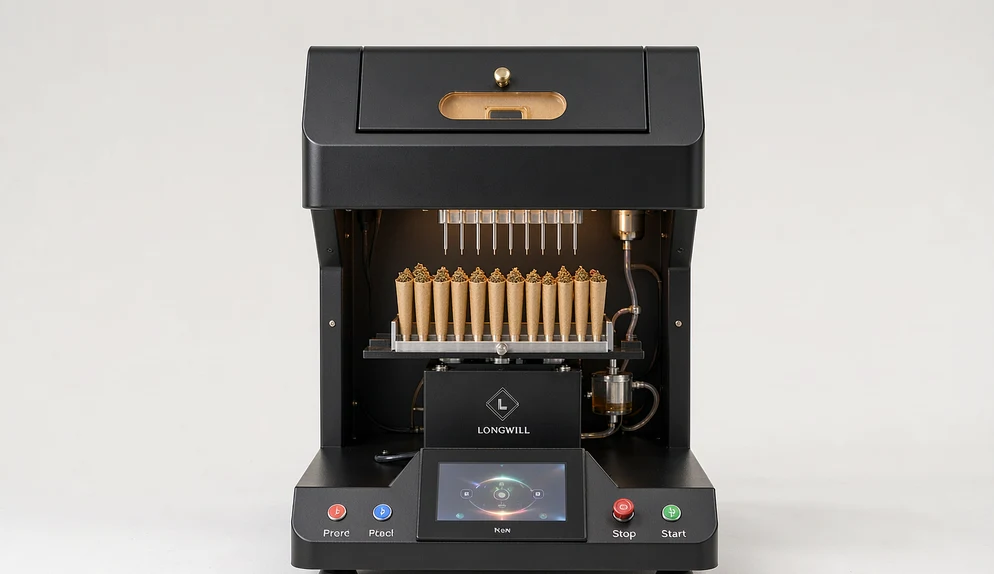
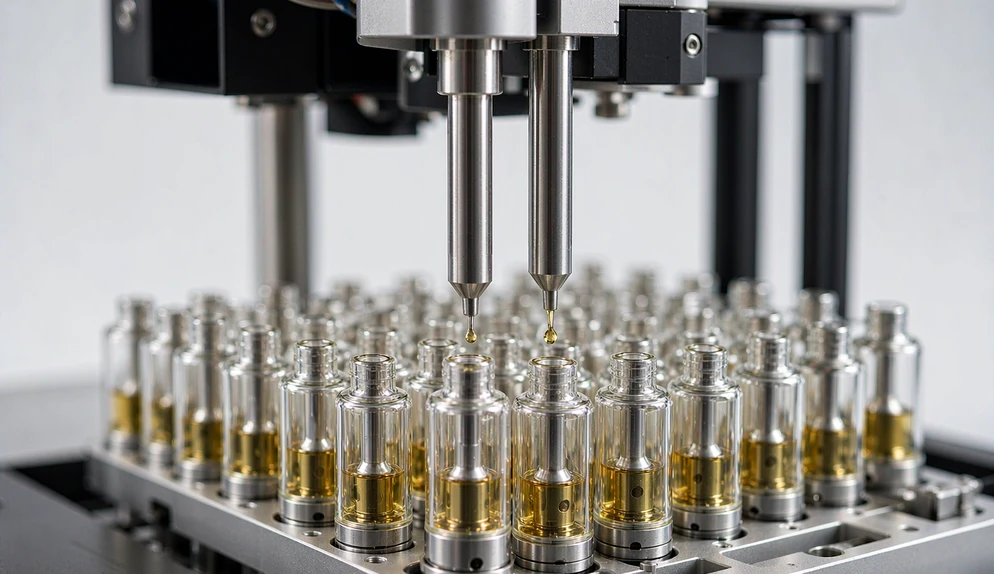
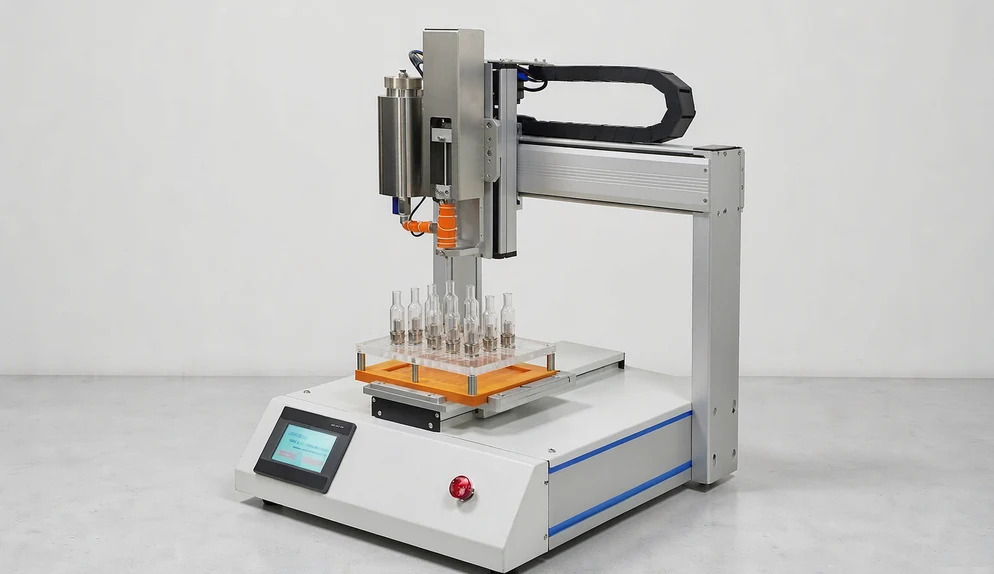
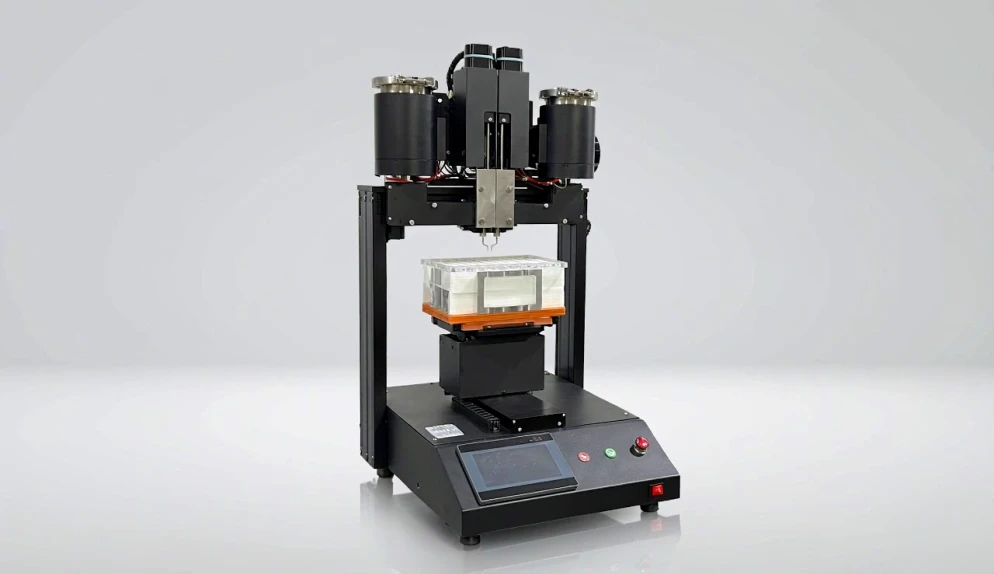
Increasing cartridge production is not simply a matter of purchasing a faster filling machine. Even when equipment offers a high rated output, actual production capacity depends on cartridge loading, oil handling, hardware compatibility, changeovers, and the operations that follow filling.For vape cartridge manufacturers, OEM producers, and businesses preparing for larger orders, the key question is whether an automatic vape cartridge filling machine fits the entire production workflow rather than just the required hourly filling speed.Before upgrading, manufacturers should identify their current bottlenecks, compare equipment configurations, and determine which production requirements need to be confirmed with the supplier.This guide explains how to approach those decisions, including where different Longwill cartridge filling solutions may fit.Is Your Cartridge Filling Machine Really the Production Bottleneck?When cartridge orders increase, the filling station often becomes the first area manufacturers consider upgrading. However, slow overall production does not always mean the filling machine lacks sufficient capacity.A typical cartridge production workflow includes material preparation, cartridge loading, oil filling, capping, inspection, and packaging. Each stage has its own operating speed and labor requirements.If the filling machine is consistently waiting for empty cartridges, increasing its dispensing speed may provide little improvement. Similarly, when filled cartridges accumulate before capping, the downstream operation may be limiting finished output.Before investing in additional automation, manufacturers should examine how cartridges move between these stages.How to Estimate Realistic Cartridge Production CapacityPublished filling speed describes equipment output under specified operating conditions. It should not be interpreted as guaranteed finished-product capacity across an entire production line.A useful starting point is to compare the rated capacity of each major operation.For example, consider a hypothetical production line with a filling machine rated at 1,500 cartridges per hour and a capping machine rated at 1,000 cartridges per hour.Production stageHypothetical rated capacityCartridge filling1,500 units/hourCartridge capping1,000 units/hourTheoretical continuous line limit1,000 completed units/hourIn this simplified example, capping is the limiting operation. Assuming both machines can sustain their stated rates, the filling station has more capacity than the closing process can use.These figures are illustrative, not measured Longwill production results. Actual finished output also depends on loading time, material replenishment, interruptions, inspection, and rejected units.The purpose of this calculation is to identify where an equipment upgrade may provide the greatest benefit.Key takeaway: Increasing filling speed does not necessarily increase finished cartridge output. The capacity of the slowest required production stage must also be considered.What Should You Check Before Upgrading an Automatic Cartridge Filling Machine?Once the main production bottleneck is identified, the next step is to evaluate whether a different filling configuration can support the intended products and workflow.Three factors deserve particular attention: material handling, hardware flexibility, and the time required to change between production batches.Oil Compatibility and Controlled Filling ConditionsDifferent oils can have different flow characteristics. Distillate, CBD oil, live resin, and other formulations may require different dispensing conditions depending on their viscosity and processing requirements.When evaluating an automatic cartridge filling machine, manufacturers should consider whether its reservoir, heated flow path, dispensing system, and available settings are suitable for the material being processed.For example, Longwill's FM15 automatic filling machine uses separate temperature-control zones for the oil reservoir and flow path. This configuration allows operators to adjust conditions at different stages of material delivery.However, the presence of heating controls does not establish that every formulation can be processed successfully at any selected temperature. Suitable settings depend on material-specific requirements.For a more detailed explanation of this subject, read Longwill's guide to vape cartridge filling viscosity and temperature control.Cartridge Positioning and Fixture CompatibilityA machine may be suitable for one cartridge design but require different fixtures or setup adjustments for another.This matters particularly to OEM manufacturers handling multiple cartridge capacities, disposable devices, or changing customer requirements.Before choosing equipment, buyers should confirm the dimensions of the hardware to be filled, the position and size of its filling opening, and whether the cartridge can be held securely during dispensing.Longwill offers customizable positioning fixtures for selected automatic filling machines. For instance, the FM15 uses cartridge trays to align multiple units beneath its filling nozzles.A suitable fixture supports consistent positioning, but compatibility should be established for each intended device format rather than assumed from a general product description.Changeover Requirements for Different Production BatchesProduction flexibility becomes increasingly important when a facility manufactures several cartridge models or works with different oil formulations.Switching products may involve changing fixtures, adjusting nozzle positions, loading different machine settings, cleaning the oil path, or checking the new filling setup.A manufacturer processing large quantities of one standardized cartridge may prioritize sustained throughput. By contrast, a contract manufacturer receiving frequent small orders may benefit more from adaptable fixtures and accessible operating controls.Longwill's automatic filling configurations include programmable control options that can support different operating setups. The extent of adjustment and compatibility depends on the selected model.Buyers should therefore consider both production volume and the complexity of their product portfolio when comparing machines.Should You Choose a Multi-Nozzle or Tray-Based Filling Machine?Automatic cartridge filling equipment is available in different configurations, and a higher nozzle count does not automatically make one machine more suitable for every application.Multi-nozzle systems allow several cartridges to be filled during an operating cycle. Their usefulness depends on consistent cartridge positioning, suitable material delivery, and an adequate supply of empty hardware.Tray-based systems organize cartridges in defined positions, making batch preparation and loading an important part of the workflow.Longwill provides several configurations that illustrate these differences.Longwill modelPublished equipment characteristicsMain selection considerationFM-07 Auto RoboProgrammable control, stepper motor and rail-guided positioningCartridge positioning, fixture requirements and operating setupFM12 Automatic Cartridge Filling MachineTray-based arrangement accommodating 100 cartridges per batch setupTray preparation, loading workflow and batch organizationFM15 Automatic Cartridge Filling MachineFive-nozzle filling system, touchscreen control, heated oil handling and customizable traysParallel filling, cartridge alignment and production flexibilityThe comparison focuses on equipment structure rather than ranking the machines by speed. Longwill's published specifications should be checked for the exact configuration being quoted.For example, the FM15's five-nozzle system supports simultaneous filling at multiple positions. However, its actual production suitability depends on cartridge geometry, oil handling requirements, loading arrangements, and downstream capacity.The FM12's larger tray arrangement introduces different considerations. Buyers should evaluate how trays are prepared, positioned, and exchanged during production rather than looking only at the number of cartridge positions.The FM-07 offers another automated positioning configuration that may be considered when selecting a system around specific cartridge fixtures and process requirements.Automatic Cartridge Filling Machine to review available options.Why Cartridge Capping Matters When Scaling ProductionFilling capacity is only part of the manufacturing process. After oil dispensing, cartridges typically move to a closing operation before inspection and packaging.If the filling station operates faster than the available capping equipment, additional cartridges may accumulate between the two processes.Closing requirements also depend on cartridge design. Screw-type mouthpieces and press-fit closures do not necessarily use the same equipment or control method.Longwill offers the CM-05 automatic Cartridge Capping Machine, which uses motor-driven closing, a stepper motor and rail-guided movement, and touchscreen controls. Its suitability must be confirmed against the intended cartridge and closure design.For production planning, manufacturers should consider whether a separate capping station or an integrated filling-and-capping configuration better matches their operation.A separate arrangement may provide flexibility when filling and capping processes need to be managed or changed independently. An integrated system may simplify coordination for compatible, standardized products.Neither arrangement is automatically superior. The decision should reflect hardware compatibility, required throughput, changeover frequency, maintenance access, and available production space.When Should You Upgrade the Machine, Fixtures or Production Workflow?Not every increase in production demand requires purchasing a higher-output filling machine.The appropriate investment depends on which part of the workflow is preventing the facility from meeting its output target.Production situationWhat to investigate firstPossible equipment directionFilling is consistently slower than other stagesDispensing cycle and available nozzle configurationEvaluate a different automatic filling setupOperators spend significant time positioning cartridgesCartridge fixtures and loading arrangementsReview customized trays or positioning methodsDifferent cartridge formats require frequent adjustmentsFixture compatibility and program settingsConsider a more adaptable filling configurationFilled cartridges accumulate before closingCapping capacity and hardware compatibilityEvaluate a compatible capping solutionOil or hardware changes cause frequent interruptionsMaterial handling, cleaning access and changeover procedureReview the overall process before increasing filling speedThis approach helps manufacturers avoid selecting equipment based on one specification that may not address the actual limitation.For example, if the filling operation already has more capacity than the capping station, replacing it with a faster filling machine would not resolve the downstream bottleneck.On the other hand, if the existing machine cannot accommodate a new cartridge format without extensive manual adjustment, fixture customization or a different automated positioning system may be more valuable.The goal is to match equipment capabilities to the production process rather than maximize individual machine speed.What Should You Confirm with a Filling Machine Supplier Before Ordering?A useful equipment discussion should begin with actual production requirements, not only the desired number of cartridges per hour.Manufacturers can prepare a short equipment selection brief containing the following information:Cartridge hardware: Device types, dimensions, filling openings, closure styles, and representative samples or drawings.Material and filling requirements: Oil type, relevant material-handling limits, target dose, and required filling tolerance.Production plan: Target daily output, planned working hours, batch sizes, number of SKUs, and expected changeover frequency.Existing workflow: Current loading, filling, capping, inspection, and packaging arrangements.Equipment expectations: Available space, power requirements, operator responsibilities, and anticipated future product changes.These details allow the buyer and supplier to discuss whether the project calls for an upgraded filling machine, a different fixture arrangement, additional capping capacity, or a more coordinated production setup.The supplier should also clarify which performance figures are published machine ratings, what configuration those figures apply to, and which functions or accessories are included in the proposed equipment.Where appropriate, buyers can request compatibility review using cartridge drawings, product samples, and material information. Any additional demonstration or evaluation arrangements should be confirmed with the supplier rather than assumed.How Longwill Supports Cartridge Filling Equipment SelectionLongwill offers automatic filling equipment with different operating structures, including programmable positioning systems, tray-based configurations, and multi-nozzle machines.Its equipment range also includes cartridge capping solutions, allowing manufacturers to consider filling and downstream closing requirements together.For projects involving different cartridge formats, Longwill's customizable fixtures and adjustable machine configurations provide a basis for discussing hardware fit and production workflow requirements.The appropriate solution depends on the actual cartridge design, material characteristics, target filling volume, and expected production schedule.Rather than selecting a machine solely by its highest advertised output, manufacturers should use these details to compare practical equipment configurations and identify any limitations that require confirmation before ordering.Frequently Asked QuestionsHow do I know when to upgrade to an automatic vape cartridge filling machine?An upgrade may be appropriate when manual or existing semi-automatic filling cannot consistently support required production volumes, when repetitive loading and dispensing tasks limit workflow efficiency, or when product handling becomes difficult to manage across larger batches.Before purchasing, compare the capacity of filling with capping, inspection, and packaging. If another stage is already the main bottleneck, a faster filling machine may not increase finished output.Buyers should also evaluate cartridge compatibility, material requirements, changeover frequency, and available production space.Does a five-nozzle cartridge filling machine always provide higher production efficiency?A five-nozzle configuration allows multiple cartridges to be filled during the same operating cycle, but overall efficiency depends on more than the number of filling heads.Material flow, cartridge positioning, loading arrangements, and the time required for each cycle all affect the process. Downstream capping and inspection capacity also determine whether additional filling throughput increases finished output.For this reason, a five-nozzle system should be compared with alternatives using the buyer's intended hardware, operating requirements, and complete production workflow rather than nozzle count alone.Can one automatic cartridge filling machine handle multiple cartridge sizes?Some machines can accommodate different cartridge formats through customized fixtures and adjustable operating settings.However, compatibility depends on dimensions, filling-port location, cartridge stability, and nozzle access. A change in device format may require a different tray, a new positioning arrangement, or adjustments to the filling program.Manufacturers handling multiple SKUs should provide samples or dimensional drawings of their intended devices and confirm which formats can be supported by the selected configuration.The ability to adjust settings does not automatically mean that every cartridge design is compatible.What is the relationship between filling speed and capping capacity?Filling and capping are connected production operations.If the filling station produces cartridges faster than the capping stage can close them, unfinished units may accumulate between the processes.The sustainable output of the complete line is therefore limited by the capacity of the required production stages, not simply the speed of the filling machine.Buyers should compare compatible equipment configurations and account for loading, transfer, inspection, and interruptions. A higher-rated filling machine may be useful only when downstream operations can make effective use of the additional capacity.Should I choose an integrated filling-and-capping system or separate machines?An integrated system may suit production using standardized cartridge designs and compatible closing methods, particularly when reducing transfers between filling and capping is important.Separate machines may offer greater flexibility if a facility handles different formats, changes production arrangements frequently, or wants to upgrade individual processes independently.Buyers should compare equipment compatibility, available space, changeover requirements, and the capacity of both operations.They should also confirm whether an integrated configuration supports their specific filling and closing requirements rather than assuming it works with all cartridges.What information should I provide when requesting a cartridge filling machine quotation?Provide the cartridge type, dimensions, sample or drawing, material information, target filling quantity, required output, and expected number of product variations.It is also useful to explain how cartridges are currently loaded, how they are capped, and whether the production line will handle frequent changeovers.If there are specific requirements for equipment footprint, power supply, cleaning access, or fixture customization, include them in the initial inquiry.These details help the supplier identify suitable configurations and explain which published specifications apply to the proposed equipment.Plan Your Cartridge Production Around the Complete WorkflowScaling cartridge manufacturing requires coordination between filling, cartridge handling, capping, and other production operations.The most suitable automatic filling machine is not necessarily the one with the highest published capacity, but the one that fits the products, production schedule, and existing workflow.Longwill provides automatic cartridge filling solutions with programmable controls, configurable fixtures, and different filling arrangements for manufacturers evaluating production upgrades.Planning to expand your cartridge production? Contact Longwill Machinery with your cartridge samples or drawings, oil information, filling volume, target output, and capping requirements. The Longwill team can help you discuss suitable equipment configurations for your application.


 8613926508679
 sales@longwillsz.com