Longwill- Cannabis Oil Filling
Machine Manufacturer
 Efficiency and Precision,
Saving you More.
Main Product Series
Main Product Series

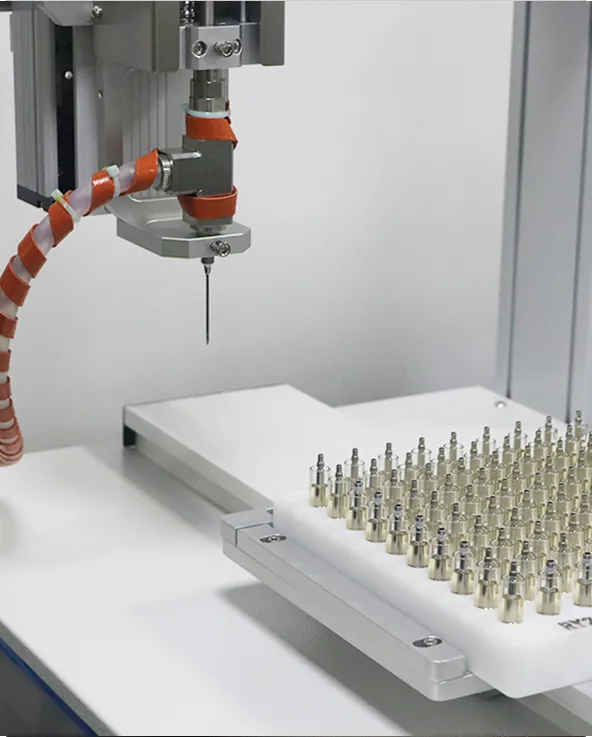
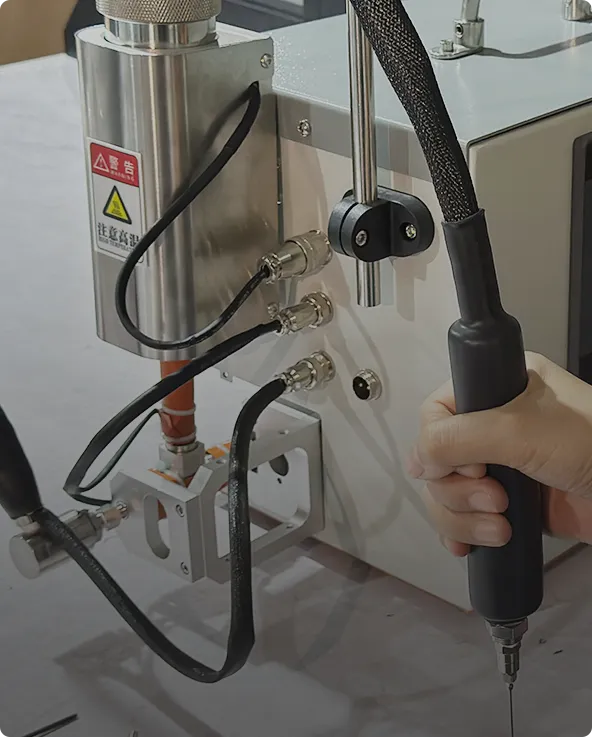
Longwill YC-300 Semi-Automatic Dual Flavor Cartridge Filling Machine
Semi-automatic dual-flavor cartridge filling machine with dual oil tanks and nozzles for accurate dosing. Built for CBD and cannabis brands to fill two oils in one cartridge, reduce waste, speed changeovers, and ensure consistent output with easy cleaning
With this semi-automatic dual flavor filling machine, you can test new flavors, adjust formulas, and run flexible small-batch production. It supports dual 800ml oil tanks, 0.2–7ml filling per channel, ±1% accuracy, 800–1500 sticks/hour output, and 0–120°C temperature control.
Idea for:
- Cannabis Brands Launching Dual Flavor Cartridges
- OEM / ODM Cannabis White Label Manufacturers
- Small to Medium Production Facilities
- Businesses Upgrading from Manual Filling
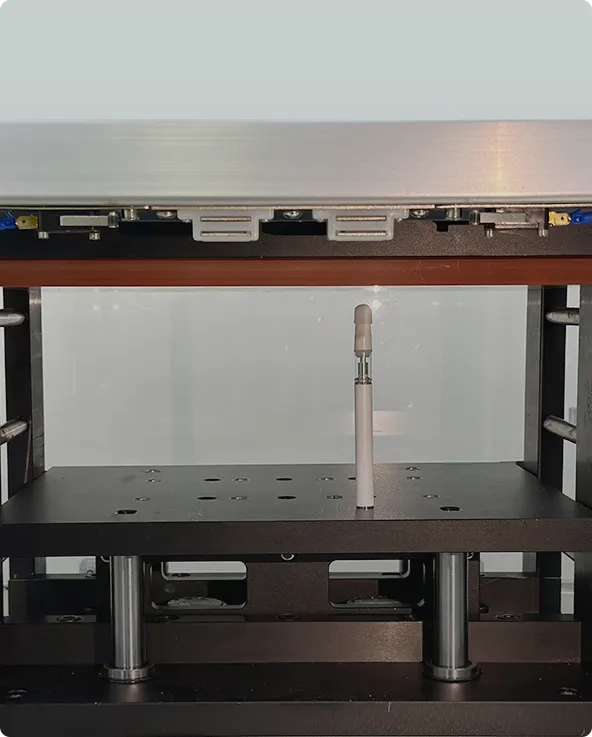
Longwill FM-17 Fully Automatic Dual Flavor Cartridge Filling Machine
Fully automatic dual oil cartridge filling machine with dual tanks and nozzles. Supports single flavor and dual flavor CBD vape cartridges with high accuracy.
With this fully automatic dual flavor cartridge filling machine, you can scale cartridge production with higher speed, better consistency, and reduced manual operation. It supports dual 1000ml oil tanks, 0.2–5ml filling per channel, ±1% filling accuracy, 1600–3000 sticks/hour output, 0–120°C temperature control, and stepper motor rail-driven filling for stable large-batch production.
Ideal For:
- Cannabis Brands Scaling Dual Flavor Cartridge Production
- Cannabis Processors Requiring High-Volume Filling
- OEM / ODM White Label Manufacturers with Multi-SKU Production
- Companies Upgrading from Manual or Semi-Automatic Filling

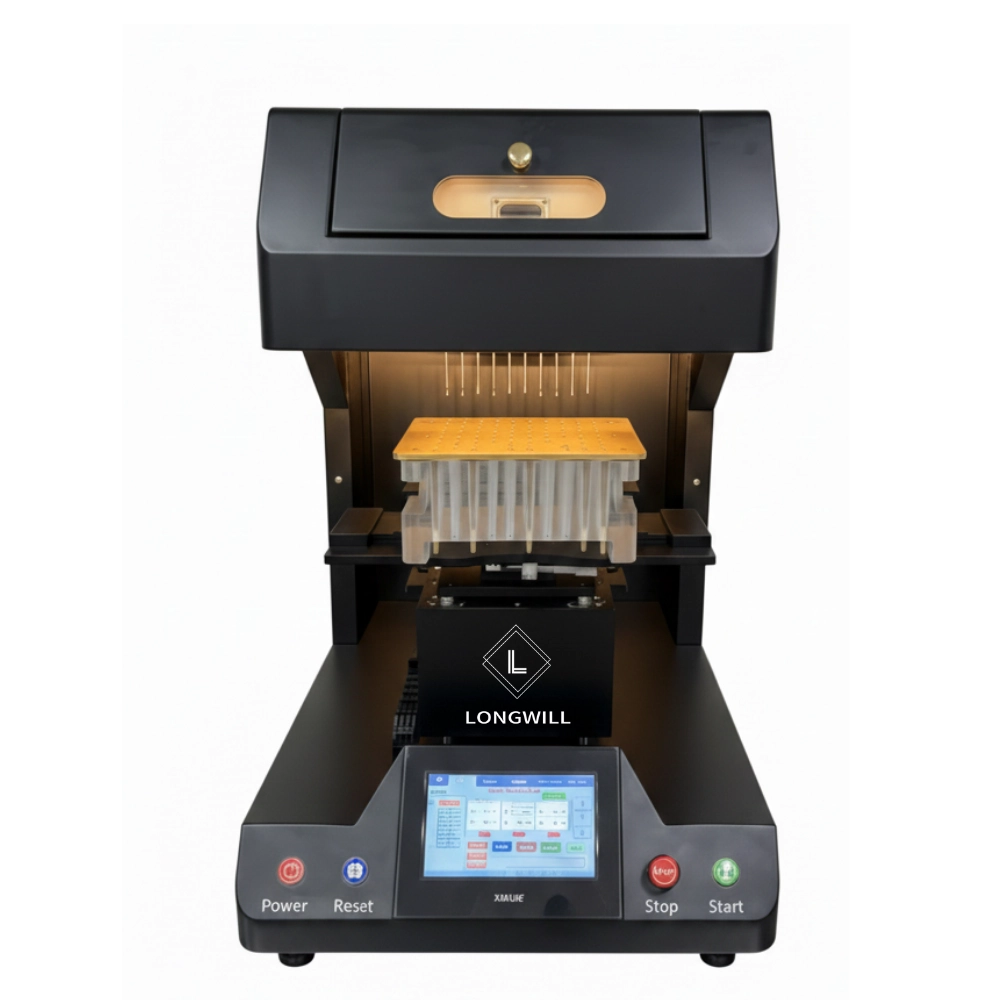
Longwill FM-16 10 Nozzle Automatic Preroll Infusion Machine
Longwill FM-16 delivers precise infused preroll production with 10 independent nozzles, 0.1–3ml adjustable dosing and PLC-controlled automation.
Designed for efficient and consistent infused preroll production, this machine features 10 independent infusion nozzles, 0.1ml–3ml adjustable dosing, and PLC-controlled automatic operation to deliver precise infusion, stable production performance, and scalable manufacturing.
Ideal For:
- Cannabis Brands Producing Infused Prerolls
- Cannabis Processors Scaling Production Capacity
- Contract Manufacturers / OEM Production Facilities
- Production Lines Requiring Precise Oil Dosing

Our Services
At Longwill, we offer more than just filling and capping machine solutions.
We provide comprehensive OEM/ODM services tailored to your needs,
outstanding after-sales support, and fast delivery to ensure your business runs smoothly and efficiently.

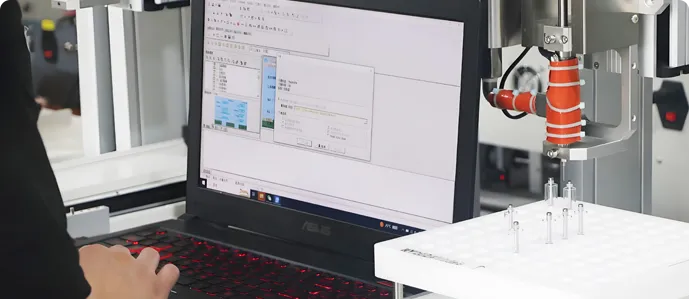

OEM & ODM
Our skilled engineering, sales, and production teams provide you with flexible customization options to transform your specific requirements into reality
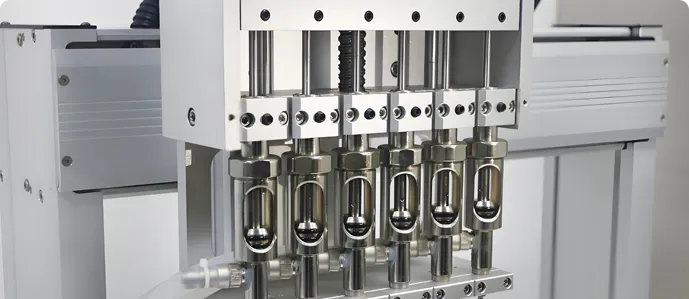

Quality Assurance
All we products have passed CE RoHS FDA certification, From produc- tion to shipment, it has been inspected layer by layer, meeting the high standards of the local market.
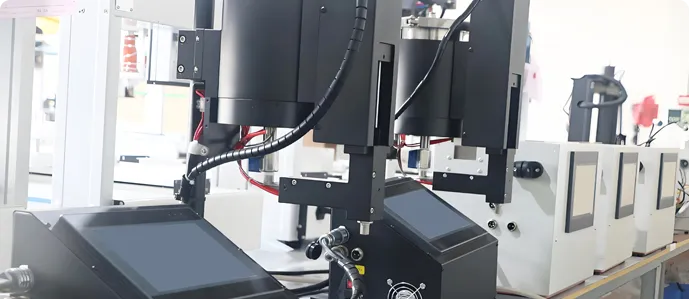

Fast Delivery
We use historical data and market trends to forecast demand to plan production and inventory; So machines can be shipped in 48 hours; Customized machine can be ready in 5 - 7 working days.


Outstanding Support
Excellent Pre-sale, in-sale and after-sale Service, including expert advice, trobleshot issues, and offer solutions to customer's unique Requirements.
About Longwill
Longwill Technology is a reliable company. We focused on providing high-quality cartridge filling machines, capping machines, pre-roll machines, dab dispenser machines, pre-roll infusion machines and more since 2014.
Our team of highly skilled professionals is dedicated to delivering exceptional products and services that exceed our clients’ expectations. Led by James, our Chief Engineer, who has over 20 years of experience in the machinery industry. we are committed to providing innovative and efficient filling and capping solutions to clients worldwide.
About Us
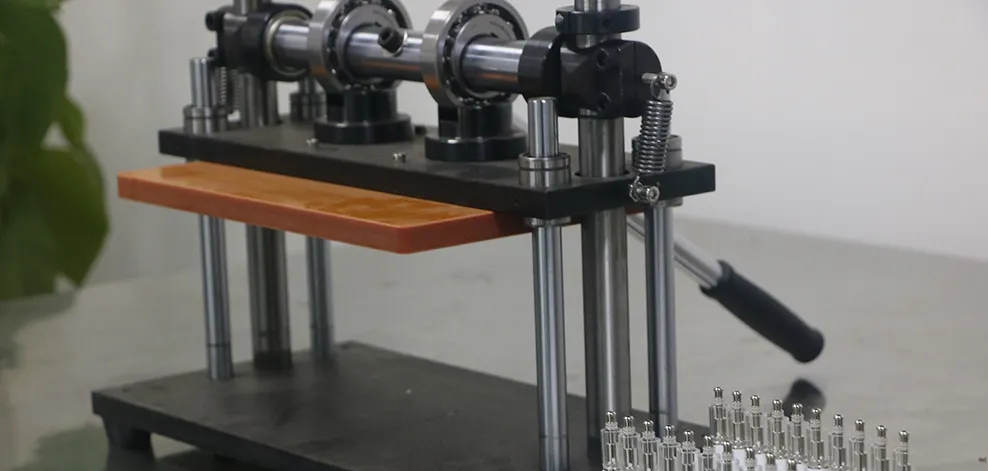
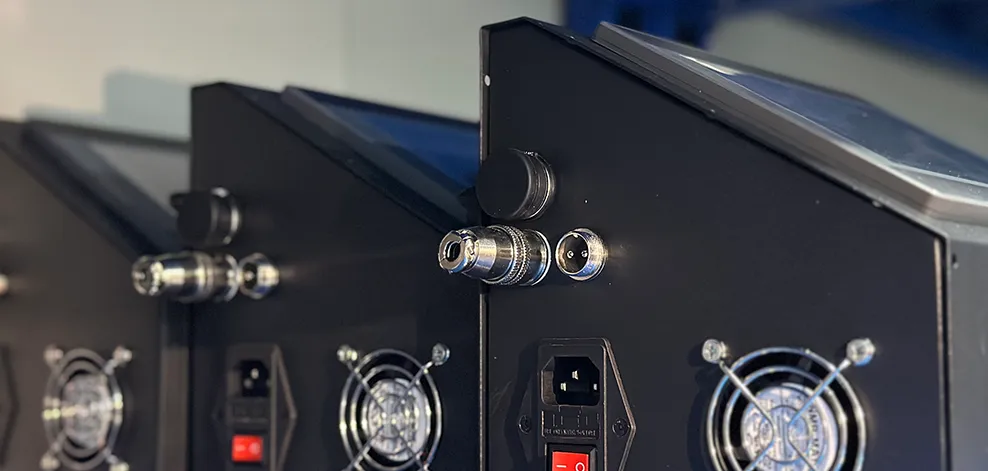
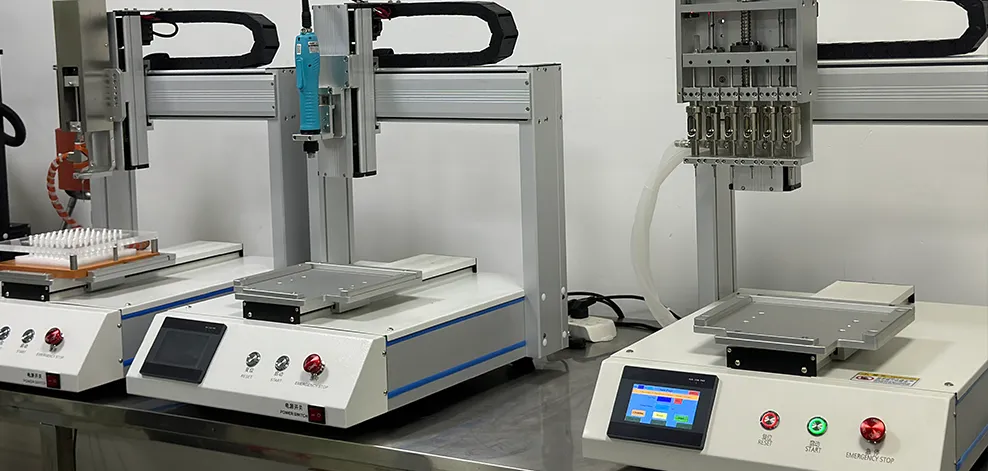
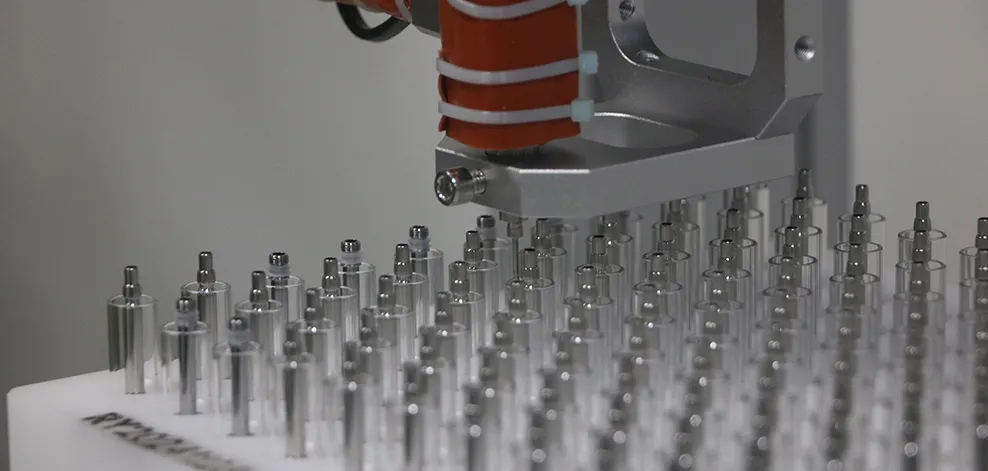
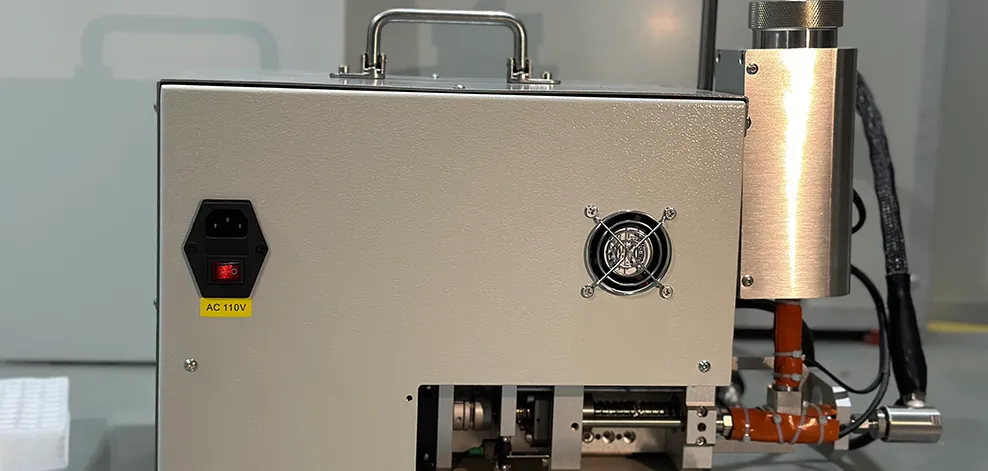
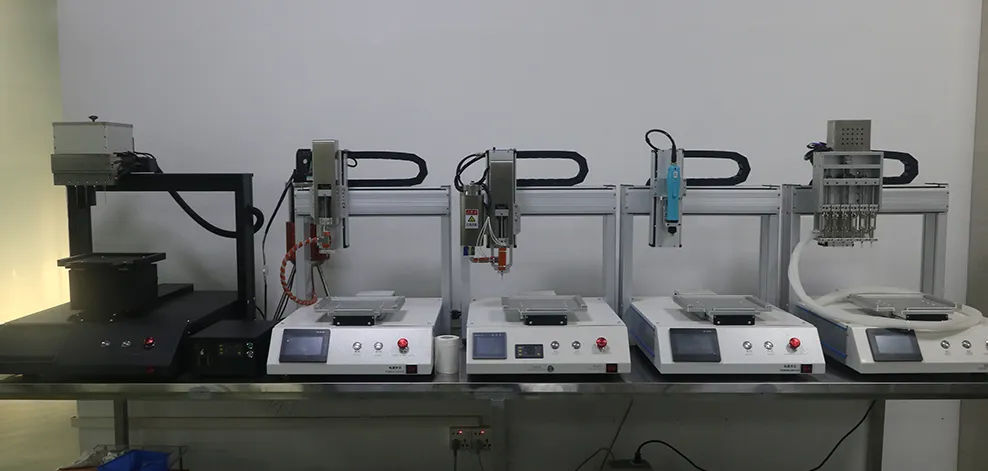
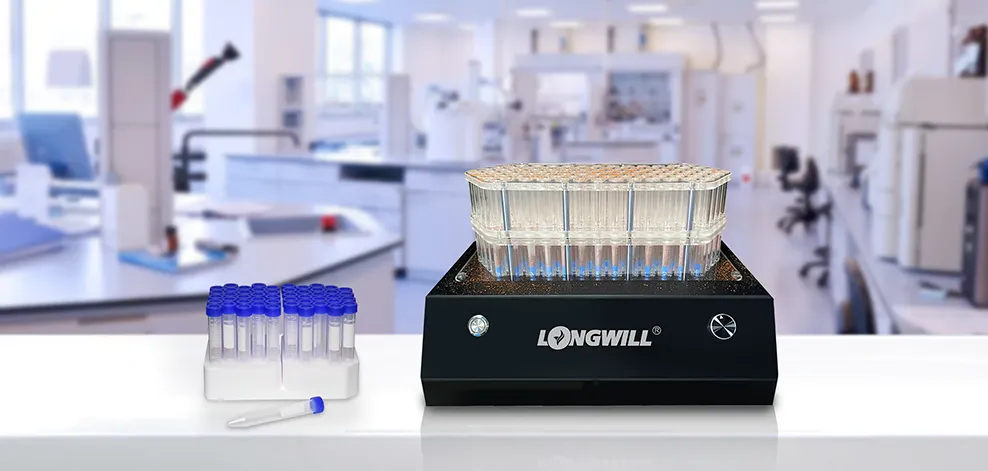
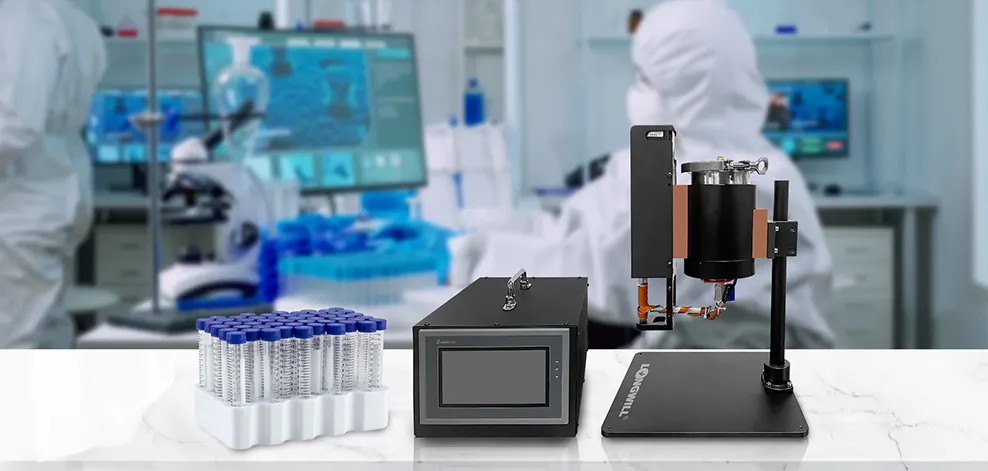
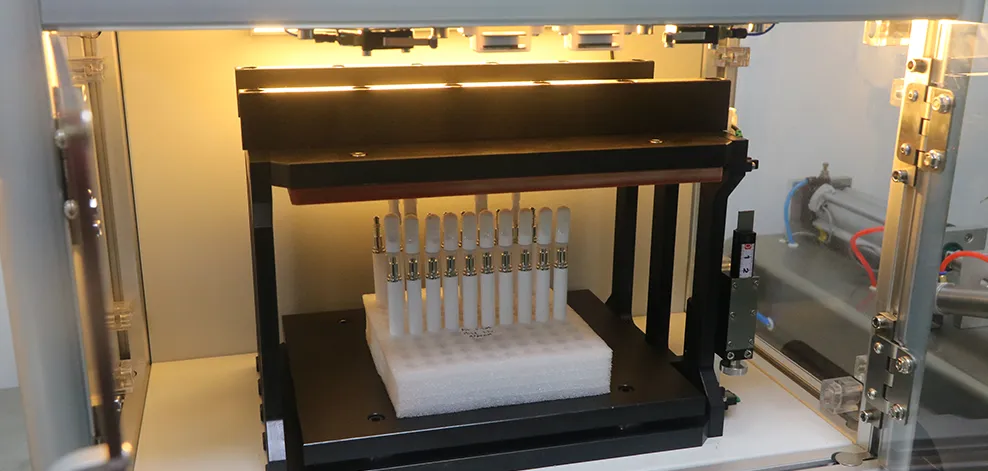

Our Mission
At Longwill, our mission is to provide innovative, efficient,and high-quality solutions for vape oil filling, capping, packaging, and related services.
Our core values—Efficiency and Precision, Saving you More. This is the heart of everything we do. Both our sales team and R&D experts prioritize these principles, driving us to empower businesses to thrive in an everevolving, competitive market.
Contact UsCertifications and Honors

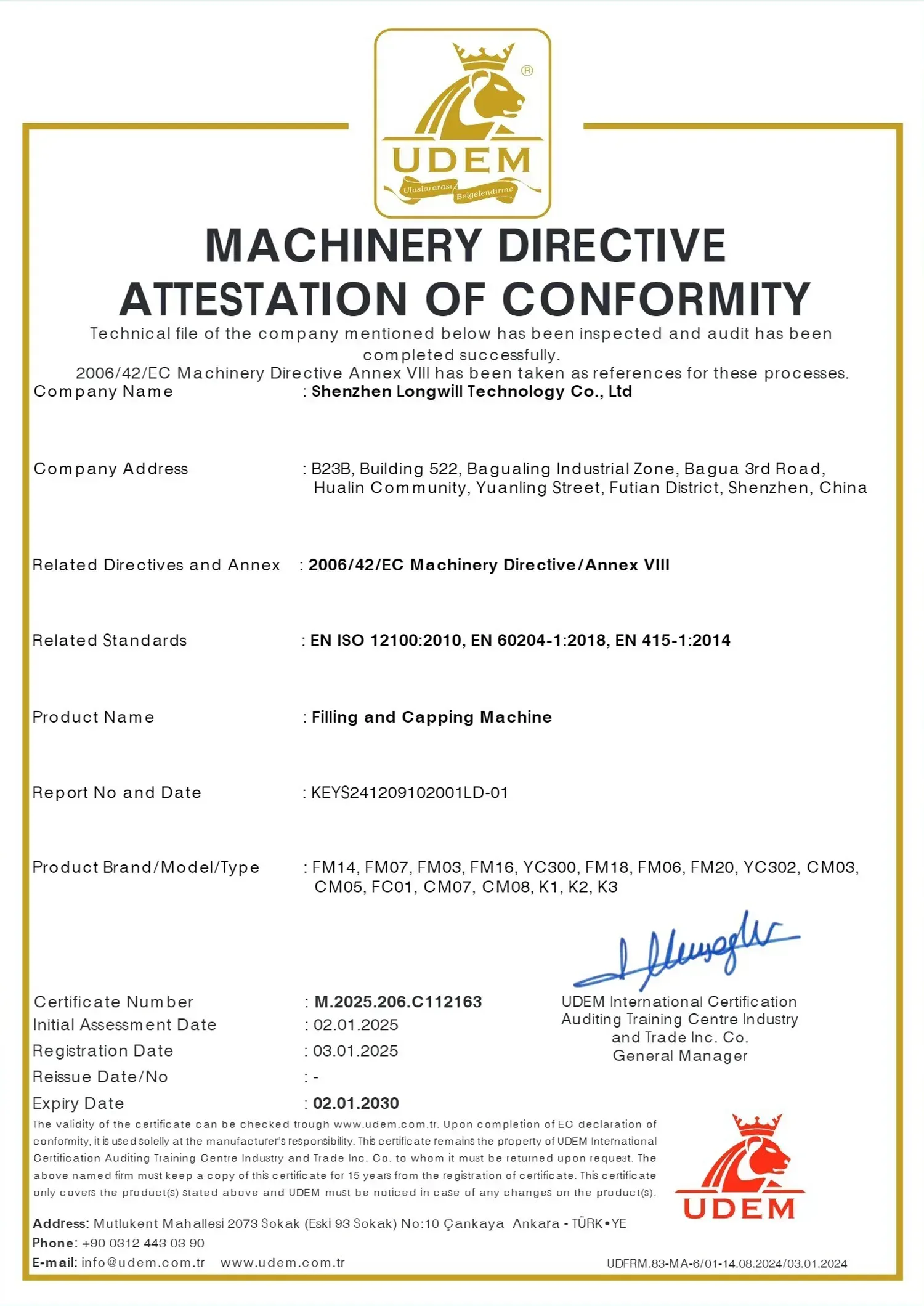
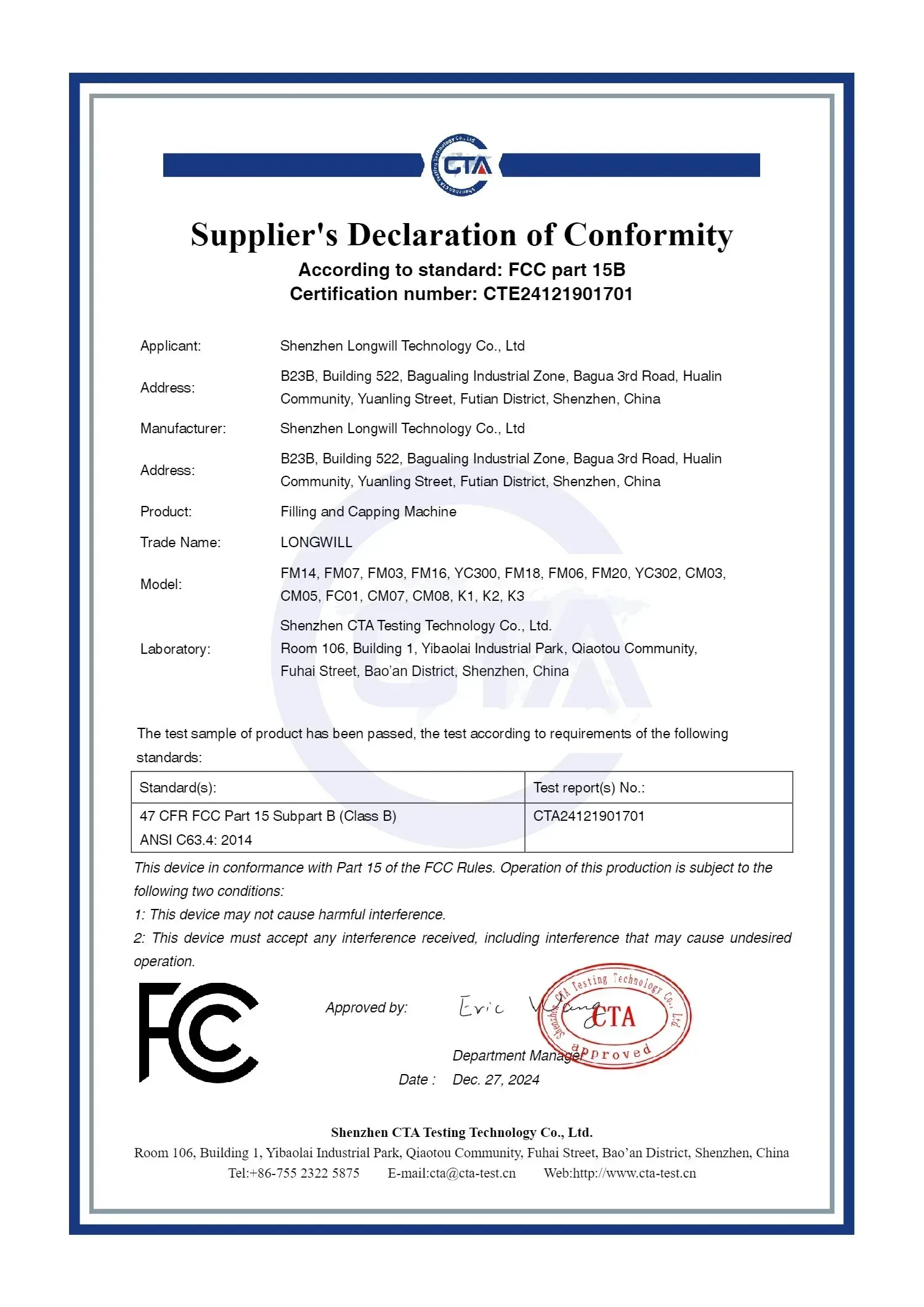
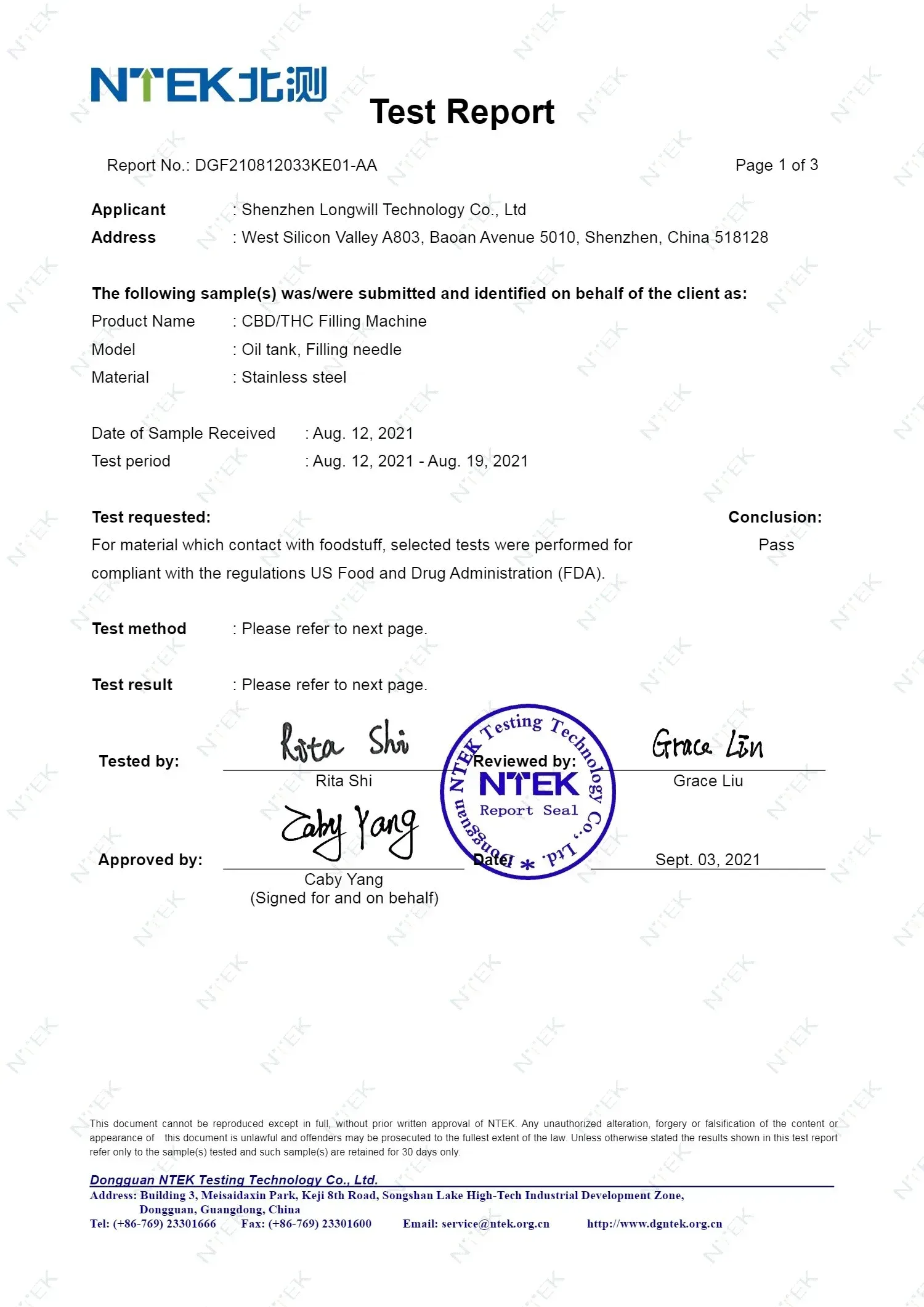
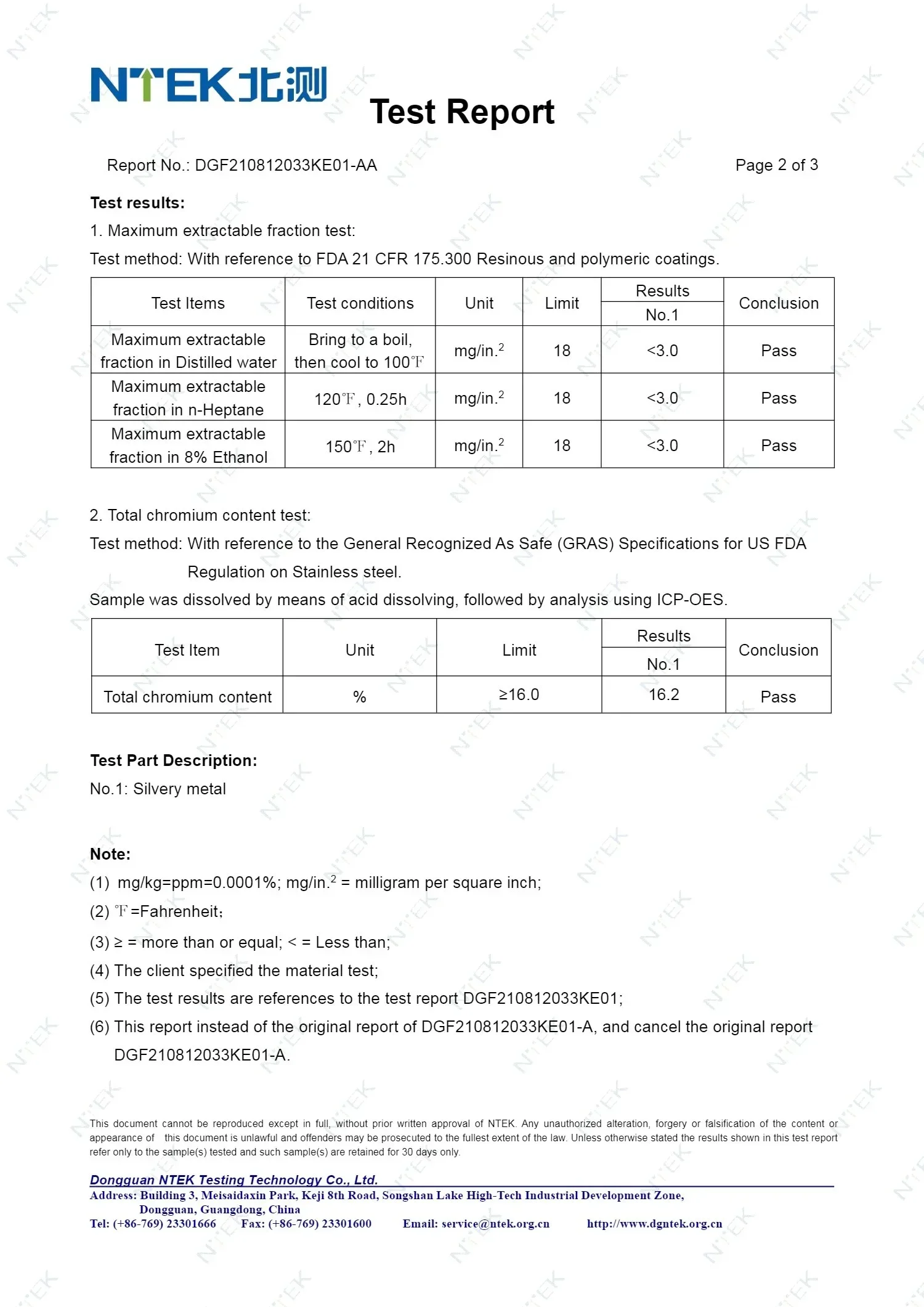
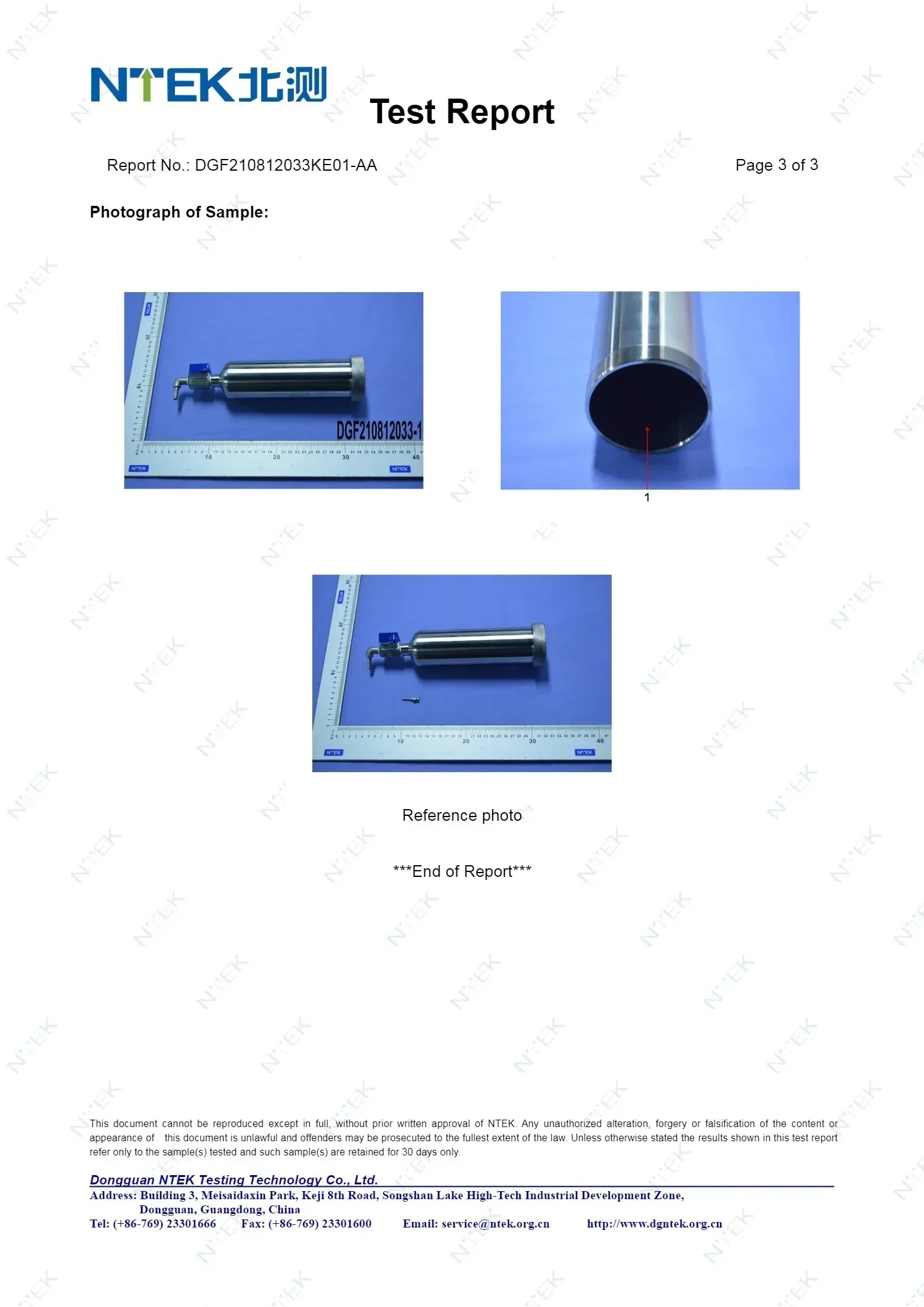
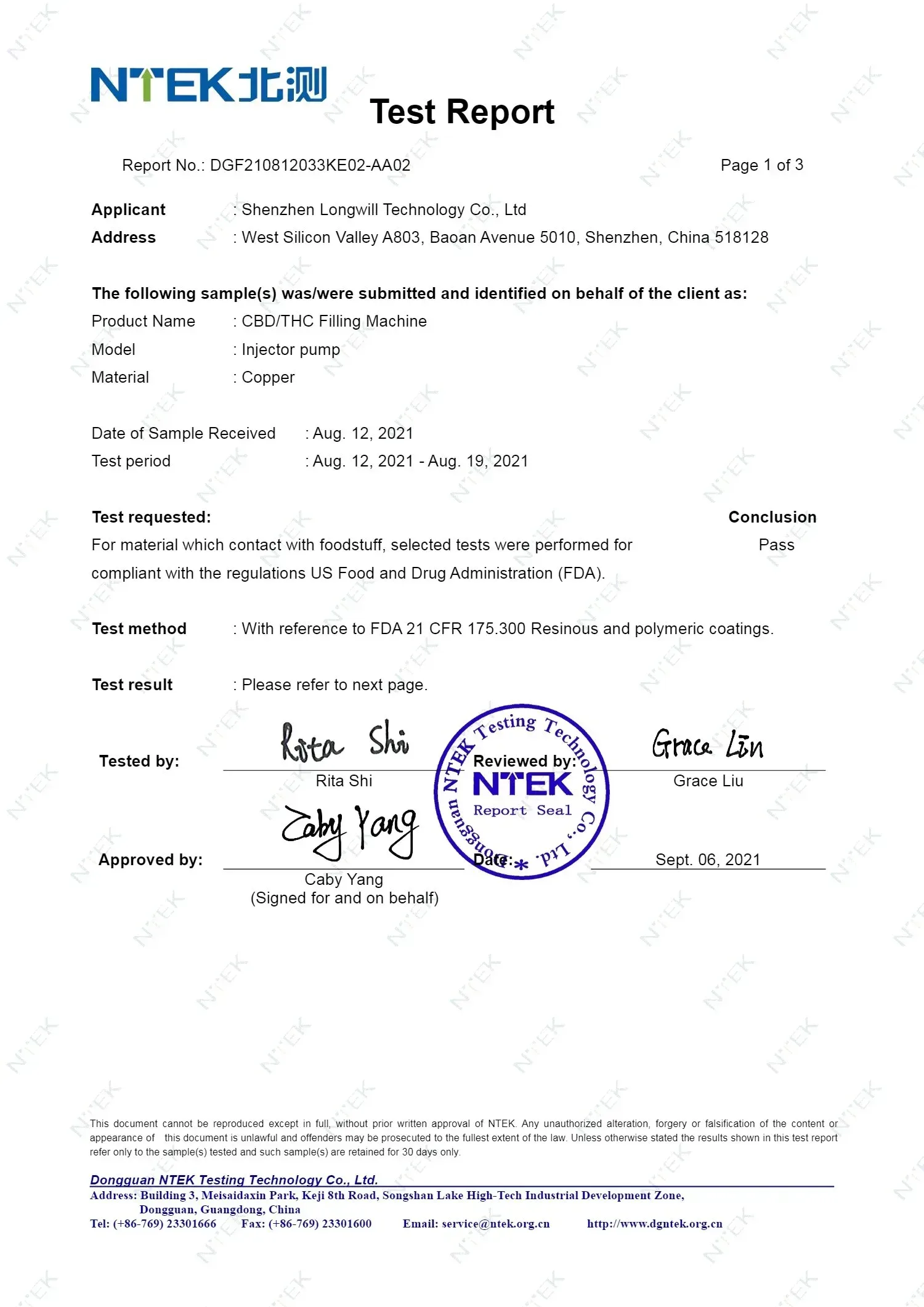
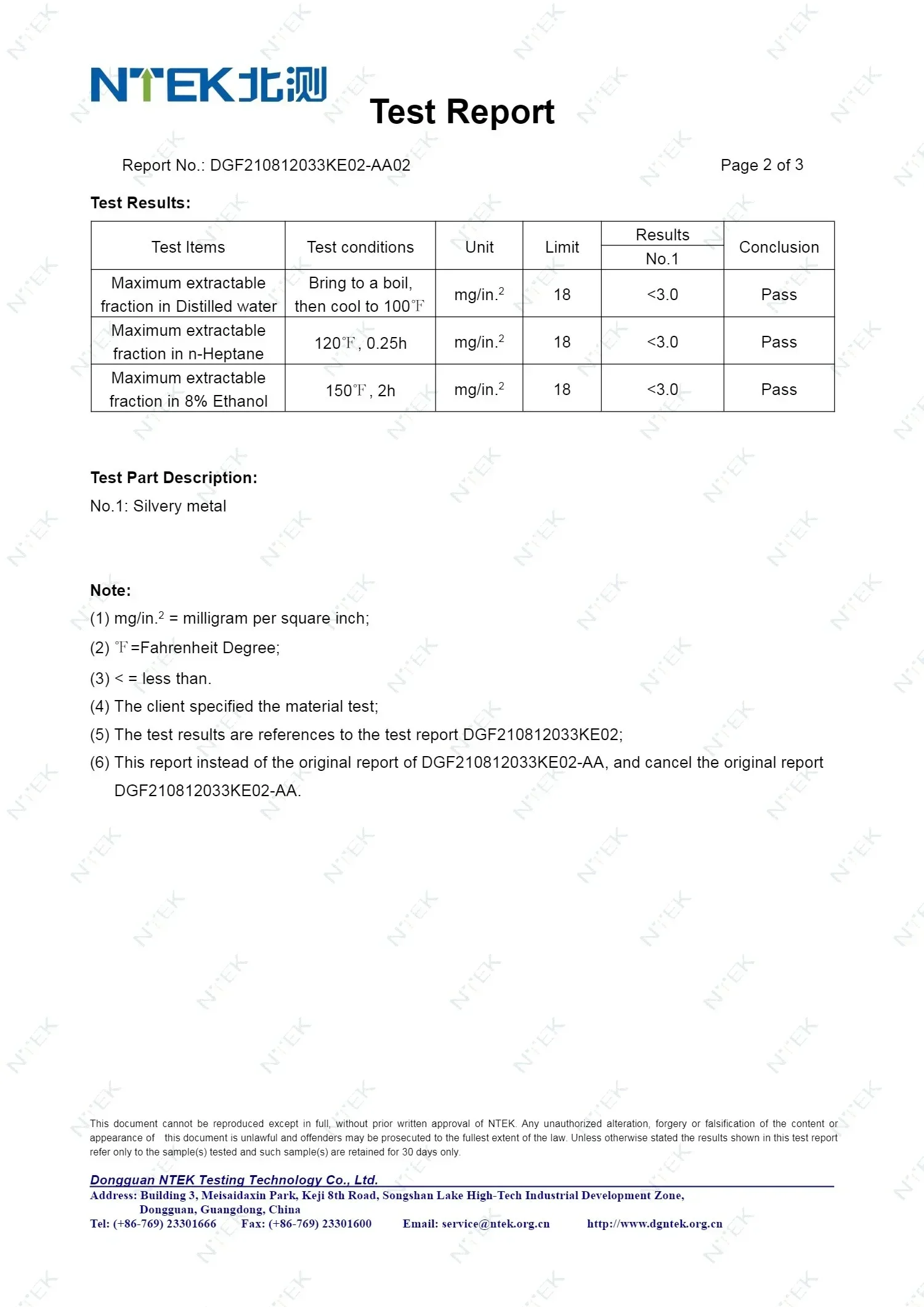
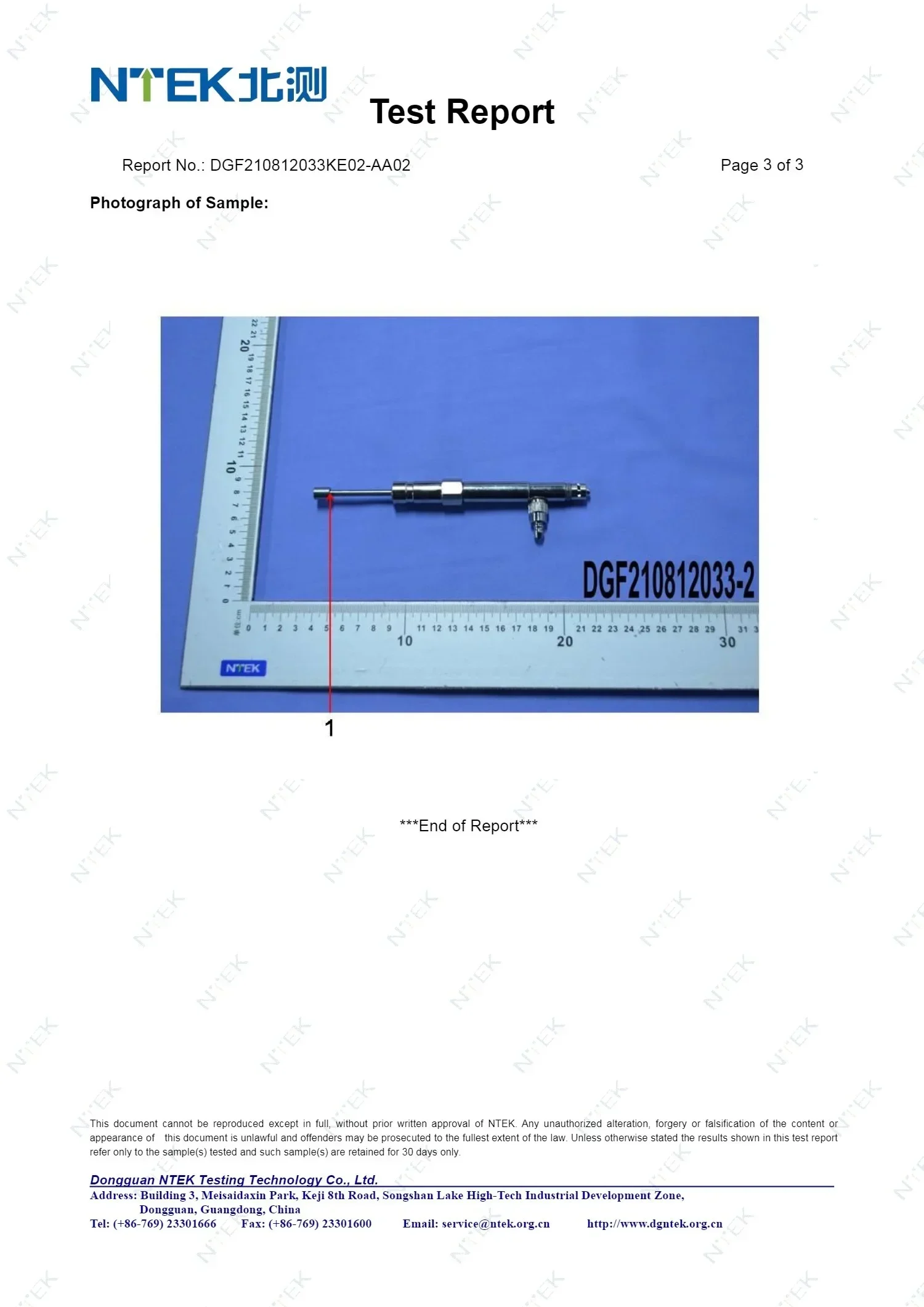
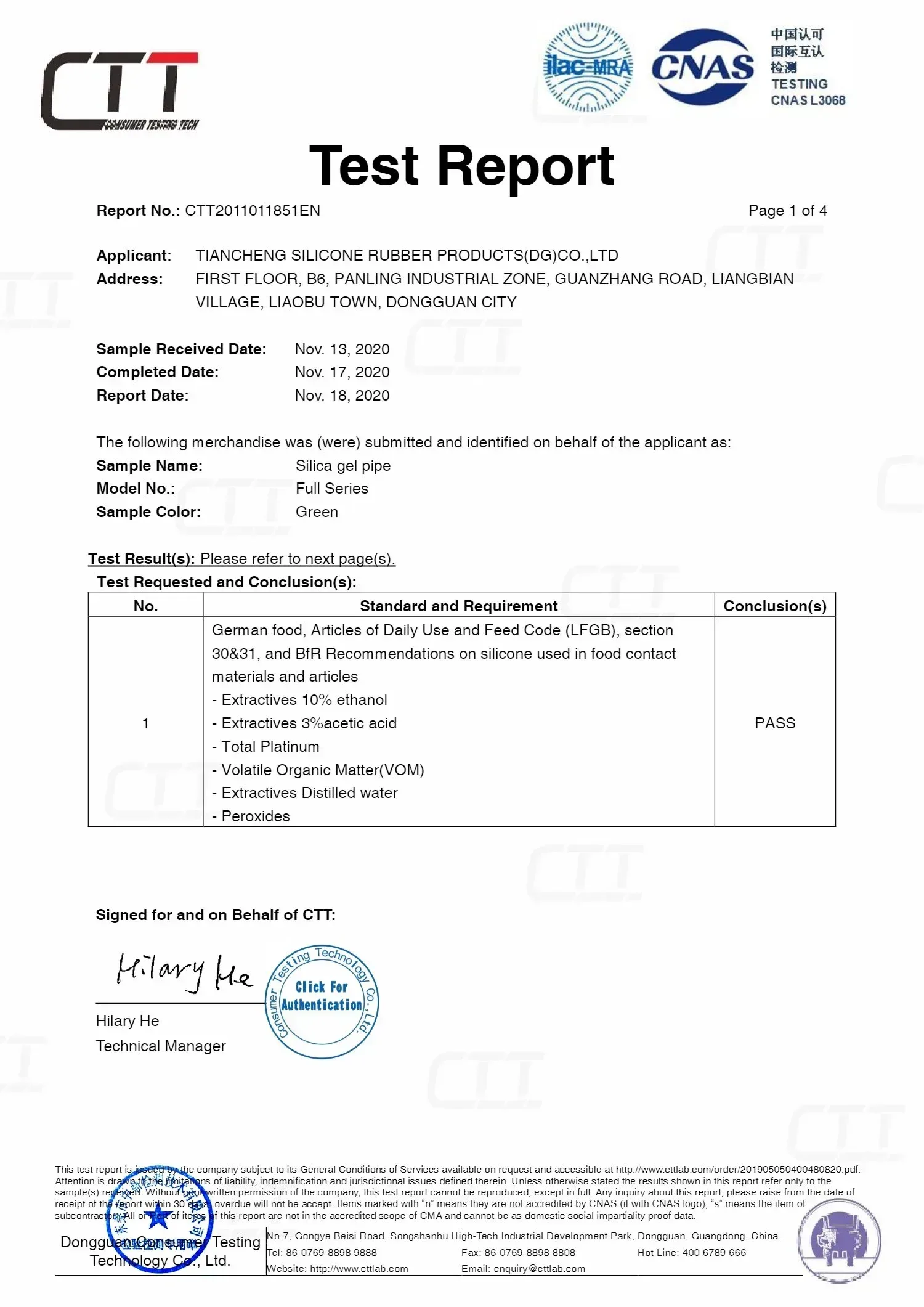
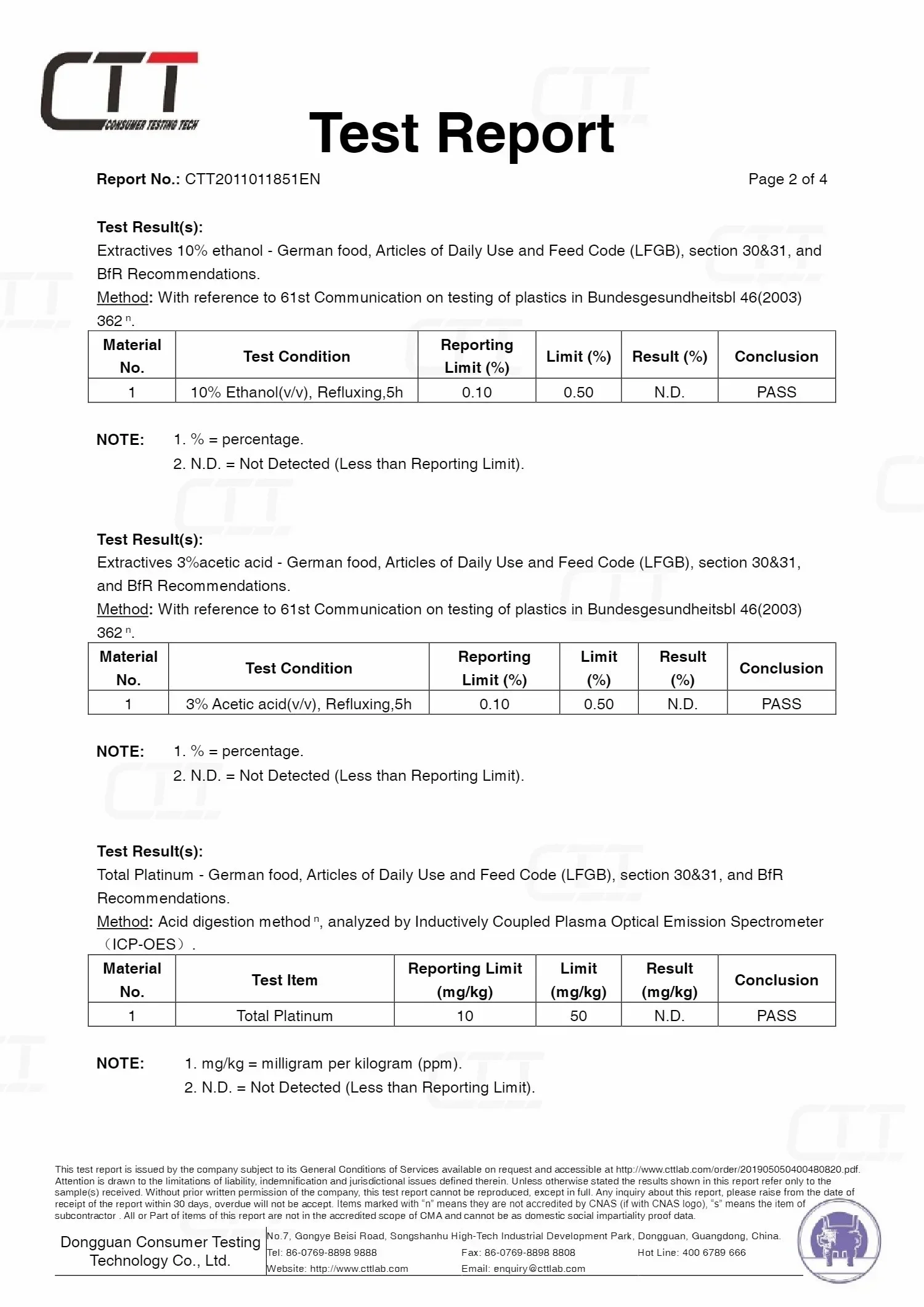
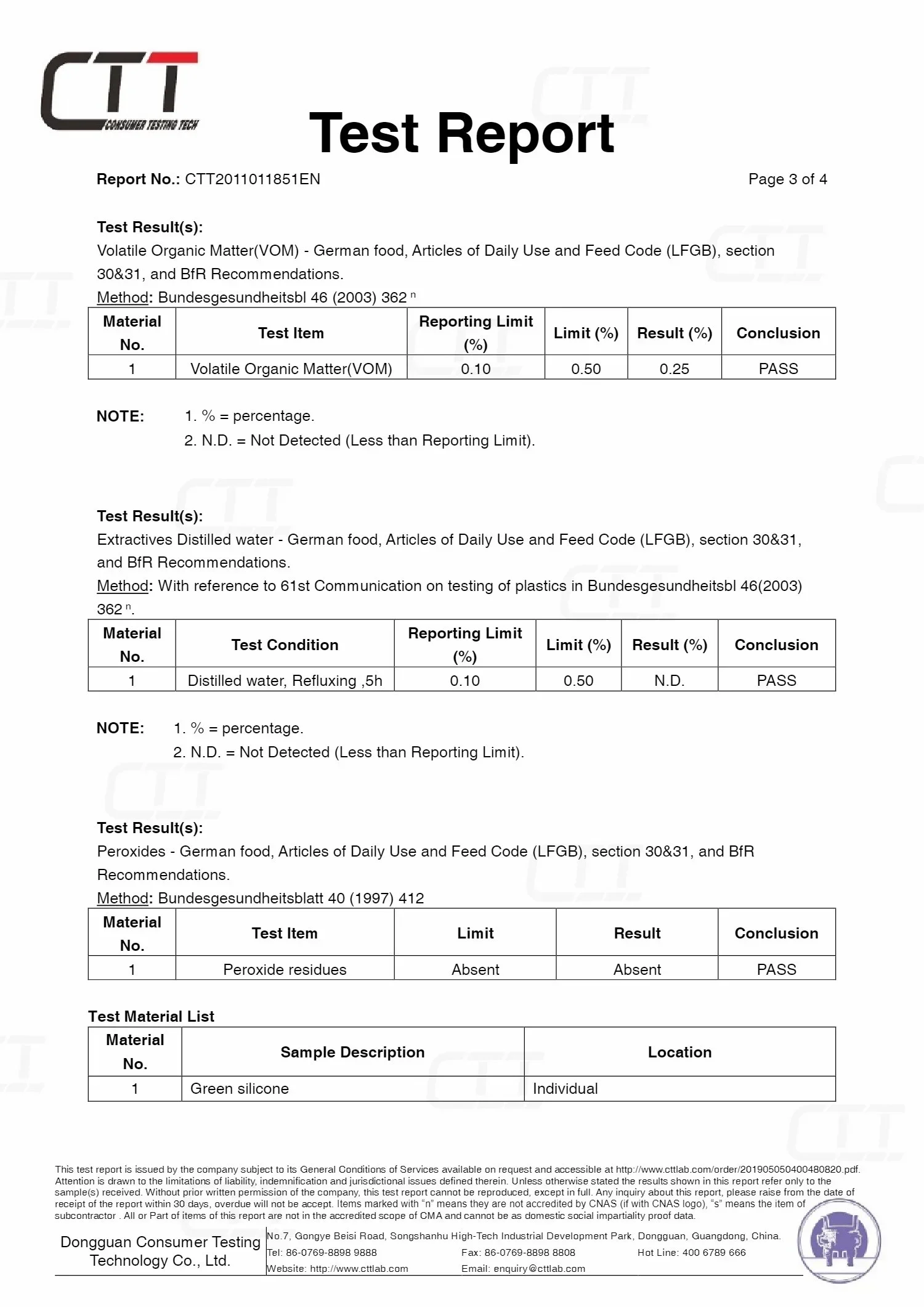
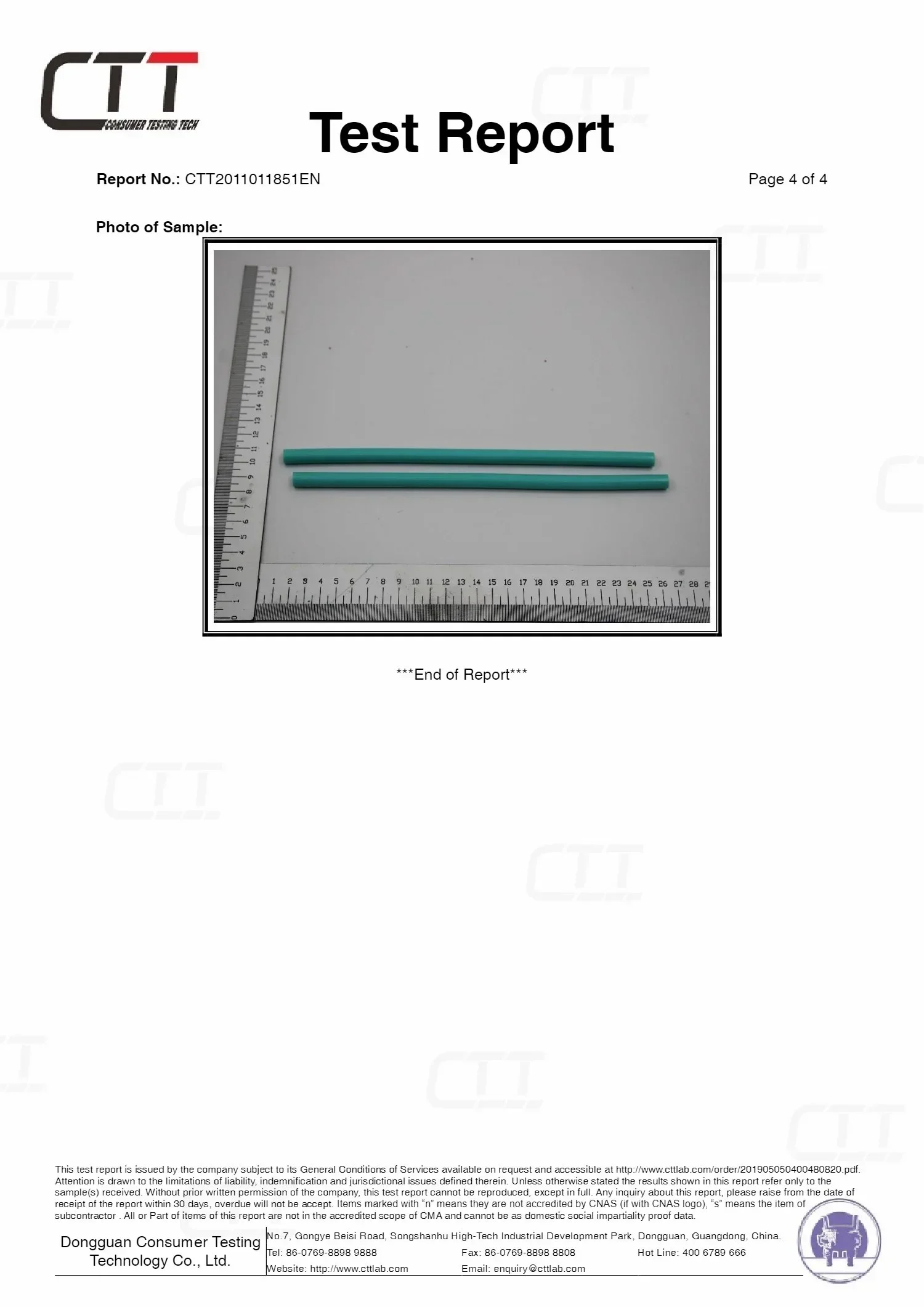
All machines have passed CE and FCC certifications, allowing them to be sold in most countries
worldwide. Additionally, the silicone tubing has passed the LFGB
test in Germany, the pumps and
oil barrels have passed the FDA test in the United States, and all materials in contact with the oil are
safe.
Successful Cooperations







Feedback from Customers


Riley Quinn

— Production Manager
"The filling machine we purchased has drastically im-
proved our production efficiency. Its speed and precision are unmatched, saving us both time and material costs. Coupled with fast delivery and excellent after-sales service, your team has been a true partner in our success!"

James Harrison
— Operations Director
"Your capping machine has been a game-changer for our operations. The reliability and accuracy of the equipment ensure every product meets our high-quality standards. The cost savings and seamless integration into our workflow make it one of the best investments we've ever made."

Victoria Clarke
— Plant Manager
"From the moment we placed the order, the entire process was smooth and efficient. The filling and capping machines were delivered quickly, and they exceeded our expectations in terms of speed, reliability, and ease of use. Your after-sales team was incredibly supportive—highly recommended!"
Let's Build Your Product
Unlock the Full Potential of Your Product Development Partner with our expert team at Longwill Equipment to bring your ideas to life. Fill out the form below, and let's take the first step together in turning your vision into reality.

Integrated vs Separate Cartridge Filling and Capping Machines

2026-10-20
Choosing between an integrated filling-and-capping machine and two separate machines is an important decision for vape cartridge manufacturers. Both configurations can automate essential production steps, but they organize the filling and closing processes differently. An integrated cartridge filling and capping machine combines both operations within one coordinated system. A separate-machine setup uses an independent cartridge filling machine and a dedicated capping machine, with cartridges transferred between them. Neither configuration is automatically better. The right choice depends on cartridge compatibility, production volume, changeover requirements, available space, and how much control the manufacturer needs over each operation. Quick Answer Integrated filling and capping machines are generally worth considering for standardized cartridges and repeatable production. Separate machines offer more flexibility when filling and capping require independent adjustments, maintenance, or future upgrades. The best configuration depends on the complete cartridge assembly and production workflow. Key Takeaways Integrated systems coordinate filling and capping within one equipment configuration, potentially reducing intermediate handling. Separate machines allow the filling and closing operations to be adjusted, maintained, or upgraded independently. Cartridge dimensions and mouthpiece design must be compatible with both processes, regardless of the equipment arrangement. Equipment cost should be evaluated alongside fixtures, changeovers, operator responsibilities, maintenance, and future production needs. How Do Integrated and Separate Filling and Capping Machines Work? The main difference is how the two production operations are connected. A cartridge filling machine dispenses a controlled quantity of oil into a cartridge or compatible device. A capping machine then installs or secures the mouthpiece using the closing method required by the hardware. These operations can be organized within one integrated machine or carried out at independent stations. Integrated Filling and Capping Machines An integrated machine combines filling and closing functions in a coordinated equipment arrangement. The cartridge is positioned for filling and subsequently moves through the closing sequence supported by the machine. The exact sequence, cartridge transfer method, and level of automation depend on the model. Longwill's FC-01 Automatic Cartridge Filling and Capping Machine is designed to coordinate these two operations. It combines filling and capping functions with PLC-based control, touchscreen operation, and programmable settings. Product-specific program customization allows the equipment configuration to be discussed around the intended cartridge design. The FC-01 offers a rated filling-and-capping capacity of 800–1,500 cartridges per hour, depending on the selected configuration and operating conditions. The practical value of integration lies in coordinating the two processes within one equipment arrangement rather than treating them as unrelated production tasks. Separate Filling and Capping Machines A separate-machine configuration assigns filling and capping to different equipment. For example, a manufacturer may use Longwill's FM-07 Automatic Cartridge Filling Machine for programmable dispensing and a CM-05 Automatic Cartridge Capping Machine for compatible screw-type closures. The FM-07 uses motor-driven positioning, customized filling trays, and touchscreen controls. The CM-05 provides motor-driven capping with adjustable settings for compatible cartridge hardware. With separate equipment, filling and closing can be managed independently. However, cartridges must still be transferred between operations, either manually or through a separately designed handling system. Buying two automatic machines does not by itself create an automatically linked production line. Transfer equipment, handling arrangements, and process coordination must be considered separately. Integrated vs Separate Machines: What Actually Changes? Both configurations can produce filled and capped cartridges, but they differ in the way equipment is organized and managed. Decision FactorIntegrated Filling and CappingSeparate Filling and Capping MachinesProcess arrangementTwo operations coordinated within one machineFilling and closing handled at independent stationsCartridge handlingMay reduce intermediate transfers within the supported workflowRequires a defined transfer method between stationsHardware compatibilityBoth processes must work with the selected integrated configurationFilling and closing compatibility can be evaluated separatelyChangeoversMay require coordinated fixture and program adjustmentsEach machine may need its own setup changesMaintenanceService work on a shared system may affect both operationsOne machine may remain available when the other is servicedFuture expansionDepends on the machine's available configuration and modification optionsFilling or capping equipment can potentially be upgraded independentlySpace planningOne combined machine footprint, plus operator and service clearanceTwo footprints, transfer area, and access spaceInitial investmentDepends on integrated functions and customizationDepends on both machines and any transfer equipment A compact integrated system can simplify production organization when the cartridge and closure remain consistent. Separate machines provide more independence, but that independence also requires additional coordination. The most useful comparison is therefore based on how the equipment will operate in the buyer's facility, not simply the number of machines being purchased. When Does an Integrated Filling and Capping Machine Make More Sense? An integrated configuration becomes especially relevant when the manufacturer has a sufficiently standardized product and wants filling and closing to operate as a coordinated process. Standardized Cartridge and Mouthpiece Designs Consider a manufacturer producing one established cartridge format across repeated orders. The cartridge dimensions, filling opening, mouthpiece, and closure method remain consistent. The manufacturer can therefore evaluate the filling and capping functions against one defined hardware assembly. In this situation, an integrated system may reduce the need to organize separate equipment and repeated transfers between stations. Longwill's FC-01 can be configured for applications where the filling and capping operations are compatible with the intended cartridge design. However, approval for filling does not automatically establish compatibility with the closing operation. Both must be checked against the complete hardware design. If the cartridge design changes later, new fixtures, program adjustments, or other equipment modifications may be required. Production Workflows That Benefit From Coordinated Handling Transferring filled cartridges from one station to another introduces handling tasks. Depending on the factory arrangement, operators may need to unload a filling tray, move cartridges, prepare the capping station, and reposition the devices for closing. An integrated configuration may reduce some of these intermediate steps by coordinating the processes within one machine. This does not mean an integrated machine eliminates all manual handling. Operators may still need to load cartridges, replenish material, remove completed units, or perform inspections. The level of automation depends on the equipment configuration. For a manufacturer seeking a more coordinated filling-and-closing process, the benefit is the possibility of simplifying the workflow rather than an automatic guarantee of lower labor costs or higher production efficiency. When Are Separate Cartridge Filling and Capping Machines More Practical? Separate equipment can be an appropriate choice when filling and capping have different operating requirements or when the manufacturer wants greater independence between the two operations. Different Production Schedules for Filling and Closing Not every facility needs both machines to operate at the same time. For example, a manufacturer may fill cartridges in batches and close them later, depending on the product's required handling and processing conditions. A separate arrangement allows the two stations to be scheduled independently. This can provide organizational flexibility, but the manufacturer must also manage any intermediate storage, transfer, traceability, and material-handling requirements. The arrangement must remain consistent with the cartridge supplier's recommended filling-to-closing procedure. Independent Equipment Maintenance and Replacement Maintenance is another important difference. With separate machines, a filling machine can potentially be serviced or replaced without changing the entire capping unit. The reverse is also true. This can be useful when one operation requires a different equipment configuration as production changes. For example, a manufacturer may later need additional filling positions while continuing to use an existing compatible capping machine. Longwill's FM06 Automatic Filling Machine provides a six-nozzle filling arrangement with PLC-based control and configurable positioning. It represents a different filling structure from the FM-07 and could be evaluated when production requirements change. However, independent equipment does not guarantee uninterrupted production. If the remaining station has no suitable work available, its continued operation may not provide an immediate productivity benefit. The advantage is the ability to make equipment decisions for each operation separately. Cartridge Projects With Different Closing Requirements Some manufacturers handle products requiring different mouthpiece structures or closing methods. A filling arrangement may be suitable for several cartridges, while the closing operation requires a different machine or tooling. For instance, a screw-type mouthpiece depends on controlled rotation, whereas a press-fit closure requires a suitable pressing arrangement and cartridge support. These are different mechanical processes. If a facility handles multiple closure types, separate equipment may be easier to evaluate and configure for individual closing requirements. However, buyers should not assume that one capping machine supports every closure design. Longwill's CM-05 uses motor-driven closing, and its suitability depends on the specific closure design and equipment configuration. Why Mouthpiece Compatibility Can Decide the Equipment Architecture One of the most important selection factors is often overlooked: the device must be compatible with both filling and capping. A cartridge may fit securely in a filling tray but require a different holding arrangement when the mouthpiece is installed. The relevant dimensions and contact points are not necessarily the same. For screw-type closures, the closing equipment must engage the mouthpiece correctly and apply the appropriate rotational movement. For press-fit closures, the equipment must support the cartridge body while applying controlled pressing force. The closing process may also depend on the mouthpiece material, thread geometry, assembly tolerances, and cartridge supplier's instructions. This creates a practical purchasing distinction. With an integrated system, the buyer needs to confirm that the machine's filling and capping functions are both compatible with the intended assembly. With separate equipment, the buyer can evaluate the two operations independently, but must still ensure that the cartridges can be transferred and handled without introducing additional problems. A useful rule is to approve the complete cartridge assembly, not just the empty cartridge body. Providing the reservoir without the intended mouthpiece is insufficient for evaluating a filling-and-capping solution. For more information about hardware dimensions and filling compatibility, see Longwill's Cartridge, Pod, and Disposable Filling Machine Selection Guide. What Should Buyers Consider About Cost, Space, and Maintenance? A single integrated machine may appear simpler to purchase, while two separate machines may appear easier to expand. Neither assumption is sufficient for an investment decision. The total equipment requirement should include the machine configuration, fixtures, transfer arrangements, utilities, maintenance access, and any customization needed for the intended cartridge. Equipment Investment and Future Upgrades An integrated system includes coordinated functions within one machine, but its purchase price depends on the configuration and supported hardware. Separate machines require individual equipment purchases and may also need transfer trays, additional work surfaces, or other handling arrangements. If a business expects changes to one operation but not the other, the ability to upgrade separately may have value. Conversely, if the filling and capping process is already standardized, an integrated configuration may be easier to organize. There is no reliable universal percentage by which one option costs less than the other. A meaningful comparison requires actual supplier quotations for equivalent application requirements. Floor Space and Operator Access Machine footprint should not be considered in isolation. An integrated machine occupies one main equipment area but still requires access for loading, unloading, cleaning, adjustments, and maintenance. Separate machines occupy individual spaces and need a suitable arrangement for moving cartridges between them. Depending on the factory layout, separation may allow each operation to be placed where it is most convenient. In other facilities, the additional transfer area may make the overall arrangement less compact. The comparison should use equipment drawings and a proposed floor layout rather than assuming that one integrated machine always saves a fixed amount of space. Cleaning and Production Changeovers Material changes can require cleaning of the filling system, while hardware changes can affect the filling fixture, capping head, or operating program. With integrated equipment, some of these changes may need to be coordinated before the next production run. Separate equipment allows the two stations to be prepared independently, although this does not automatically make the overall changeover faster. What matters is the actual work required to move from one approved product to another. Manufacturers handling frequent changes should ask the supplier to identify the relevant change parts, adjustable settings, cleaning procedures, and expected operator tasks for their selected configuration. How to Choose Between Longwill FC-01 and Separate Filling/Capping Equipment Longwill provides both integrated and independent equipment options. The FC-01 combines filling and capping within one programmable machine. The FM-07 and FM06 provide different automatic filling arrangements, while the CM-05 addresses compatible capping operations. These machines should not be treated as interchangeable products. They represent different ways to organize the manufacturing process. Production RequirementConfiguration Worth EvaluatingLongwill Equipment DirectionRepeated production using a stable cartridge and closureIntegrated filling and cappingFC-01Existing filling machine with a need for compatible automated cappingSeparate capping stationCM-05Independent control of filling and capping operationsTwo-machine arrangementFM-07 + CM-05, subject to compatibilityNeed for a different automatic filling configurationIndependent filling equipmentFM06 or another suitable filling modelMultiple hardware or closure formatsConfiguration-specific reviewEvaluate filling and closing compatibility before selecting a system The table identifies starting points for an equipment discussion. It does not establish that every model combination is automatically compatible or that one arrangement is more economical. The FC-01 uses PLC-based controls and product-specific programming. Its suitability should be evaluated using the complete cartridge assembly. For independent equipment, the FM-07 provides programmable positioning and customized filling trays, while the CM-05 is designed for motor-driven capping of compatible hardware. These features give buyers a practical basis for comparing the two approaches. Rather than asking only, "Which machine is faster?", manufacturers should establish which equipment configuration supports their product and intended workflow with the fewest unnecessary changes. What Should Be Confirmed Before Ordering? The final decision should be based on a complete production requirement, not just a catalogue comparison. For an integrated filling-and-capping project, provide both the cartridge and the intended mouthpiece or cap. The supplier needs to understand the filling opening, device dimensions, closure structure, and required assembly method. For a separate-machine project, clarify how cartridges will move between the stations, whether the production schedule requires independent operation, and which fixtures or trays will be used at each stage. The following questions can help resolve the main purchasing uncertainties: Does the selected configuration support the complete cartridge and mouthpiece assembly? Which operations are automated, and which still require an operator? Are cartridge transfers included in the proposed equipment configuration? What fixtures or change parts are required for different SKUs? Can the filling and capping functions be serviced or upgraded independently? What functions, accessories, and support are included in the quotation? These questions help distinguish the actual scope of an integrated machine from a pair of separately purchased machines. They also reduce the risk of assuming that two compatible individual operations will automatically form a coordinated production system. Frequently Asked Questions Is an integrated cartridge filling and capping machine better than two separate machines? An integrated machine may be more suitable when the cartridge design and closing method are stable and the manufacturer wants coordinated filling and capping in one equipment configuration. Separate machines may be preferable when the two operations require independent control, maintenance, or future upgrades. Neither arrangement is universally better. Buyers should compare cartridge compatibility, production scheduling, available space, fixtures, operator requirements, and equipment costs before deciding. The most appropriate configuration is the one that matches the actual hardware and workflow. Does an integrated filling and capping machine eliminate manual handling? Not necessarily. Integration means that filling and capping functions are coordinated within one equipment arrangement, but the level of automation varies by machine. Operators may still need to load cartridges, replenish oil, remove completed products, change fixtures, or perform inspection tasks. Buyers should review which operations the specific model automates rather than assuming that every integrated machine includes automatic feeding, inspection, and packaging. For Longwill's FC-01, the proposed configuration and operator responsibilities should be confirmed before ordering. Can I combine an existing filling machine with a new cartridge capping machine? A separate capping machine can be added to an existing filling workflow if the hardware and operating requirements are compatible. However, this does not automatically create an integrated production line. The cartridges must be transferred between stations, and the capping equipment must support the mouthpiece design, device dimensions, and closing method. Buyers should also evaluate whether the filling output can be handled by the closing station. Longwill's CM-05 is one capping option to review for compatible applications. Do integrated cartridge filling and capping machines work with all 510 cartridges? No. The term 510 describes a connection standard but does not define every cartridge's body dimensions, filling-port design, or mouthpiece structure. Two 510 cartridges may require different fixtures or closing arrangements. An integrated machine must accommodate the complete hardware assembly, including both filling and capping. Buyers should supply actual samples or detailed drawings and confirm whether the equipment configuration supports the selected cartridge. Compatibility with one cartridge should not be assumed to extend to all devices described as 510 cartridges. Which arrangement is easier to maintain or upgrade? Separate machines offer more independence because filling and capping equipment can be serviced or replaced individually. This can be useful when a manufacturer plans to change only one operation. An integrated machine combines the functions within one system, which may simplify process coordination but can make maintenance planning more interdependent. Actual service access, spare parts, and upgrade options depend on the equipment design. Manufacturers should ask suppliers how each function is accessed and which modifications are possible before comparing long-term maintenance requirements. What information does Longwill need to recommend a filling and capping setup? Longwill needs the cartridge dimensions, filling-port location, intended mouthpiece or cap, closure method, target filling volume, and relevant material information. Expected batch sizes, production schedules, SKU variation, existing equipment, and available space are also useful. For integrated equipment, provide the complete cartridge assembly so filling and capping requirements can be reviewed together. For separate equipment, explain whether stations need to operate independently and how cartridges will be transferred. These details help narrow the equipment configuration and clarify any customization requirements. Choose a Filling and Capping Setup That Fits Your Workflow The decision between integrated and separate cartridge filling and capping machines is ultimately a choice about how production should be organized. An integrated configuration may simplify coordination for stable cartridge formats, while separate machines provide greater independence when filling and closing requirements change. Longwill offers the FC-01 integrated filling-and-capping machine alongside separate automatic filling and capping equipment, giving manufacturers different options for their production requirements. Planning a cartridge filling and capping project? Explore Longwill's cartridge filling and capping equipment and share your cartridge samples or drawings, mouthpiece design, filling volume, material information, and production requirements. The Longwill team can discuss an appropriate integrated or separate equipment configuration for your application.

When Does a Semi-Automatic Cartridge Filling Machine Make More Sense?
2026-10-16
A fully automatic filling machine may look like the obvious upgrade for a growing vape cartridge business. It can automate more repetitive operations and is often designed for higher-volume production. But what happens when an OEM manufacturer receives a different cartridge design every week, or a brand regularly switches between small batches of different oil formulations?In these situations, the most automated equipment is not necessarily the most practical choice.A semi automatic vape cartridge filling machine combines controlled dispensing with operator involvement in cartridge handling. This makes it worth considering for manufacturers that need repeatable filling operations without committing every product to a fixed automatic loading arrangement.The decision ultimately depends on how products move through the facility, how often production requirements change, and which parts of the filling process benefit most from automation.Why Production Flexibility Matters More Than Automation LevelFor manufacturers producing a single standardized cartridge, the filling process can become relatively predictable. Cartridge dimensions remain consistent, fixtures stay in place, and operators can repeat established machine settings.The situation is different for OEM and contract manufacturers handling multiple customer orders.One customer may supply 510 cartridges, while another uses a pod with a different filling-port position. A third order may involve a new formulation that requires changes to the material-handling setup.Each variation introduces work beyond the dispensing operation itself.A fully automatic system may require dedicated trays, adjusted filling coordinates, or different operating programs when hardware changes. Such arrangements can be effective for repeated production, but the setup requirements become more important when orders change frequently.Semi-automatic filling retains operator control over some positioning and handling tasks. Depending on the configuration, the operator may hold or position the cartridge while the machine controls the dispensing action.This provides a different balance between mechanized dosing and adaptable handling.The important distinction is that flexibility comes from the machine's actual operating configuration—not simply from being labeled semi-automatic. Filling-port access, dispensing range, nozzle design, and material compatibility must still be confirmed.Why Small Batches and Multiple SKUs Are Not the Same ProblemSmall-batch production and high-mix production are frequently grouped together, but they create different equipment requirements.Consider two manufacturers with similar daily production targets.The first produces one standardized cartridge in several consecutive batches. The second produces several different cartridge designs for separate customers, with each order requiring different handling or filling settings.Even if their total production volume is similar, the second manufacturer has a greater need to manage product changes.This is where the distinction between batch size and SKU complexity becomes important.Production patternMain operational concernEquipment considerationSmall batches of one cartridgeRepeatable operation at modest volumeSimple, controlled dispensingMultiple cartridge designsDifferent filling-port positions and body dimensionsAdaptable positioning or compatible fixturesFrequent oil changesMaterial preparation and cleaning between formulationsAccessible material paths and suitable controlsRepeated larger ordersRepetitive handling across long runsAutomated positioning and multi-nozzle fillingDual-formula cartridgesIndependent handling of two materialsSeparate reservoirs and dispensing pathsFor a high-mix manufacturer, reducing unnecessary setup complexity may be more valuable than choosing the machine with the highest published output.For a manufacturer running one product consistently, more extensive automation may become easier to justify.Neither production model automatically determines the right machine. The goal is to understand which tasks actually change between orders.Where Semi-Automatic Cartridge Filling Makes a Practical DifferenceDifferent Customer Cartridges With Changing Filling PositionsOEM manufacturers often receive hardware selected by their customers rather than choosing one cartridge design for their entire operation.Two cartridges with the same nominal capacity can still have different body dimensions, filling-port locations, or access restrictions around the opening.A fixed automatic tray must hold each cartridge in the correct position relative to the filling nozzle. When hardware varies, separate fixtures or revised positioning settings may be required.A handheld dispensing arrangement offers a different method of working.For example, Longwill's Semi-Auto Cart Filler with Hand Hose uses a handheld filling hose, allowing an operator to guide the dispensing point toward compatible cartridge openings.The machine's material-handling system includes separately adjustable heating areas for the reservoir, pump, and hand hose.This configuration may be useful when filling positions change between orders and an operator-controlled nozzle is more practical than a dedicated tray arrangement.However, handheld dispensing is not universal hardware compatibility. Buyers must still check that the filling needle can access the opening, the cartridge can be held securely, and the required dose is within the machine's operating capabilities.New Product Launches With Uncertain Repeat OrdersA brand introducing a new cartridge product may initially produce short commercial runs before committing to larger repeat orders.During this stage, the cartridge specification, selected formulation, or order frequency may still change.A highly automated configuration designed around one stable production format may involve more dedicated tooling than the project currently requires.Semi-automatic equipment can provide machine-controlled dispensing while retaining direct operator involvement in the filling process.Longwill's FM10 Smart Cart Filling Machine illustrates this approach. It uses touchscreen controls and a stepper-motor-driven system with rail-guided movement.These features support an equipment-controlled dispensing process, while the machine's overall configuration remains different from a fully automated multi-nozzle production system.For manufacturers introducing new products, the purchasing decision should focus on whether the machine supports their actual cartridge format, dose requirements, and expected operating method.A semi-automatic machine can be appropriate for this stage, but the choice should not be based solely on the assumption that the product is new or that the first order is small.Dual-Flavor Products Requiring Separate Oil HandlingSome cartridge projects are more complex because of the formulations rather than the hardware alone.A dual-flavor cartridge may require two oils to remain separate during material preparation and dispensing.Repeatedly switching formulations through one reservoir can introduce additional cleaning and material-handling requirements. For an application requiring two independent oil supplies, a dual-reservoir configuration may provide a more suitable starting point.Longwill's Dual Flavor Oil Filling Machine features two independent oil tanks and supports single-oil or dual-oil operating modes.This differs from a conventional single-reservoir semi-automatic filling station.The machine's suitability still depends on the cartridge's internal structure, access to its filling openings, the required volume for each chamber, and the materials being dispensed.Separate reservoirs can keep the material supplies distinct, but they do not remove the need to assess the complete dispensing path and the cartridge design.For businesses developing dual-formula products, the presence of independently controlled material paths may be more important than choosing between semi-automatic and fully automatic operation in general.What Does Semi-Automatic Filling Actually Automate?The term semi-automatic can be misleading because different machines automate different parts of the filling process.On some equipment, the machine controls the amount dispensed while the operator positions each cartridge and initiates the cycle. Other configurations incorporate motorized movement, touchscreen settings, or alternative activation methods.The operator may still be responsible for cartridge loading, alignment, material replenishment, transferring completed units, and changing between production batches.This division of work has practical consequences.Operator involvement allows direct handling of compatible hardware, which may be useful for changing products. At the same time, it creates repetitive tasks that must be considered when production runs become longer.The equipment also does not eliminate the need for process control. Consistent filling still depends on suitable dispensing settings, material behavior, and correct positioning.In other words, semi-automatic equipment does not simply sit halfway between manual and automatic filling in every respect.The buyer should identify exactly which actions the machine controls and which remain the operator's responsibility.For a manufacturer processing many short orders, this arrangement may be appropriate. For a facility repeatedly filling identical cartridges throughout the day, manual handling may eventually become an important operational limitation.When Can Full Automation Be the Better Investment?Semi-automatic equipment becomes less attractive when the advantages of flexible manual handling are outweighed by the amount of repetitive work involved.A facility producing the same cartridge format in regular, predictable runs can often plan around established fixtures and consistent operating programs.Under those conditions, automatic positioning and multi-nozzle filling may be worth considering because the setup can be used repeatedly rather than changed for every short order.However, higher automation also brings its own selection requirements.The cartridge must fit the intended fixtures, filling openings must align with the dispensing system, and the machine's configuration must support the actual material and target dose.The decision is therefore not simply whether the business has grown beyond a particular production quantity.A manufacturer could have substantial overall production volume but continue to handle many customized short orders. Another business with lower total output might produce only one standardized product and have a stronger reason to use dedicated automation.The more relevant question is whether the existing product mix provides enough repeated work to benefit from automatic handling.It is also possible for a manufacturer to use different filling configurations for different tasks—for example, one for changing custom orders and another for repeat production—provided the operating and investment requirements justify the arrangement.How Should Buyers Compare the Cost of Different Filling Setups?Equipment purchase price is important, but it does not capture all the work involved in producing different cartridge orders.For high-mix production, buyers should also consider fixtures, operator handling, cleaning requirements, and the effort associated with changing products.A more automated machine may reduce certain repetitive tasks, but its suitability depends on how often the same setup can be reused.A semi-automatic system may involve a lower initial equipment commitment for some configurations, while requiring greater operator involvement throughout production.Without actual quotations, labor costs, production schedules, and changeover information, neither arrangement can be assigned a reliable universal payback period.Instead of using a fixed ROI claim, manufacturers can compare three questions:How much of the production schedule is repeated work? A stable product mix makes dedicated automation easier to use consistently.What must change between orders? Different cartridge fixtures, materials, and operating parameters can affect the practicality of each system.Where is operator involvement useful, and where is it repetitive? The answer helps identify which parts of the workflow are worth automating.A purchase decision based on these factors is more meaningful than comparing equipment prices without considering the production pattern.Matching Longwill Semi-Automatic Equipment to Your ApplicationLongwill provides several semi-automatic cartridge filling configurations that reflect different approaches to dispensing and material handling.Instead of recommending one model for all manufacturers, the equipment can be considered according to the specific task that needs to be performed.Published equipment features; actual compatibility depends on the selected configuration.Longwill solutionEquipment characteristicsMain application considerationFM10 Smart Cart Filling MachineTouchscreen controls and motor-driven dispensingMachine-controlled filling with operator involvementSemi-Auto Cart Filler with Hand HoseHandheld filling hose and separately adjustable heating areasOperator-controlled positioning for compatible cartridge formatsYC-300 Dual-Flavor Filling MachineTwo independent oil tanks and single/dual-oil modesSeparate material handling for compatible dual-formula applicationsThe three configurations address different aspects of cartridge filling.FM10 is relevant when controlled dispensing and straightforward operating controls are priorities. A handheld hose configuration may be worth evaluating when cartridge access and individual positioning vary between products. A dual-reservoir system addresses applications where two separate formulations must be supplied.These differences should guide the initial equipment discussion, not be treated as proof that any model is compatible with every cartridge or material.A suitable recommendation requires information about the planned cartridge, filling volume, material, production batch pattern, and operating requirements.Semi Automatic Vape Cartridge Filling Machine to review available configurations.Frequently Asked QuestionsIs a semi-automatic cartridge filling machine a good choice for small-batch manufacturing?A semi-automatic machine can be suitable for small-batch manufacturing when the operator needs to position cartridges individually while the equipment controls dispensing. This arrangement can be useful for short production runs or products that change frequently.However, batch size alone does not determine suitability. Cartridge geometry, material requirements, target filling quantity, and the amount of handling required between cycles are also important. A manufacturer producing small, repetitive batches of the same cartridge may have different requirements from one handling multiple custom orders. Buyers should compare actual operating tasks and compatible configurations rather than assuming semi-automatic equipment is always the best choice for smaller quantities.Can semi-automatic cartridge filling equipment handle different SKUs?Some semi-automatic configurations offer adjustable settings or handheld dispensing arrangements that can accommodate different compatible cartridge formats. However, this does not mean every SKU can be filled without modification.Different filling-port positions, cartridge dimensions, nozzle access requirements, and material properties may call for separate needles, fixtures, or operating adjustments. Changing the formulation can also introduce cleaning requirements. Manufacturers should identify their planned product variations before ordering and confirm the setup needed for each one. A useful comparison is not only whether the machine can handle multiple SKUs, but also what changes are required between them.Is semi-automatic filling more accurate than manual cartridge filling?Semi-automatic equipment can use controlled dispensing mechanisms to reduce dependence on manual dose measurement. However, filling accuracy depends on the selected machine, dispensing system, material conditions, and setup.The automation level alone does not establish a particular accuracy result. Operators still need to position cartridges correctly and use settings appropriate for the material being dispensed. Buyers should examine the published specifications for the exact configuration and clarify the conditions under which those figures apply. It would be misleading to assume that every semi-automatic machine achieves the same accuracy or that mechanized dispensing removes all sources of variation.Can one semi-automatic filling machine be used for different oil formulations?Certain semi-automatic machines provide adjustable heating and dispensing controls that may support different oils, subject to the equipment's operating limits and the formulation's processing requirements.Changing material can involve more than adjusting temperature. Buyers may need to consider viscosity, target dose, compatibility with contact materials, residual oil in the dispensing path, and cleaning procedures between batches. Where a product requires two separate formulations, a dual-reservoir design may be appropriate. Even then, each material path and filling operation must be assessed against the intended cartridge. Compatibility should be confirmed for the actual formulation rather than inferred from a broad list of supported oils.When does a fully automatic cartridge filling machine make more sense?Fully automatic equipment may be more appropriate when production uses standardized cartridge designs in repeated, predictable runs and manual cartridge handling is becoming an operational constraint.Dedicated fixtures and programmed positioning can be useful when the same configuration is used frequently. However, a higher automation level does not eliminate the need to check cartridge compatibility, material requirements, and equipment setup. A manufacturer handling many changing products may continue to benefit from a semi-automatic configuration even as overall order volume increases. The decision should follow the production pattern and operating requirements rather than a fixed daily output threshold.What should I tell Longwill before choosing a semi-automatic filling machine?Buyers should provide the cartridge type, dimensions, filling-port position, sample or drawing, target dose, and relevant information about the material to be filled.It is also useful to explain how many SKUs are produced, whether formulations change between batches, and whether the project involves one or two separate material paths. Expected batch sizes and the preferred operating method can help narrow the available configurations. With these details, Longwill can discuss equipment options, possible fixture requirements, and the aspects of material or hardware compatibility that need confirmation before ordering.Choose the Filling Process That Fits Your Product MixSemi-automatic cartridge filling is not necessarily a temporary stage before full automation. For manufacturers handling changing cartridge designs, short commercial runs, or multiple formulations, it can be a deliberate equipment choice.The important consideration is how much of the filling process needs to be standardized and how much still benefits from direct operator control.Longwill offers touchscreen-operated filling equipment, handheld hose configurations, and dual-reservoir systems for different cartridge filling requirements.Handling multiple cartridge SKUs or frequent product changes? Share your hardware drawings, material information, typical batch sizes, and filling requirements with Longwill Machinery to discuss an appropriate semi-automatic configuration.

What to Check Before Scaling Production with an Automatic Vape Cartridge Filling Machine
2026-10-16
Increasing cartridge production is not simply a matter of purchasing a faster filling machine. Even when equipment offers a high rated output, actual production capacity depends on cartridge loading, oil handling, hardware compatibility, changeovers, and the operations that follow filling.For vape cartridge manufacturers, OEM producers, and businesses preparing for larger orders, the key question is whether an automatic vape cartridge filling machine fits the entire production workflow rather than just the required hourly filling speed.Before upgrading, manufacturers should identify their current bottlenecks, compare equipment configurations, and determine which production requirements need to be confirmed with the supplier.This guide explains how to approach those decisions, including where different Longwill cartridge filling solutions may fit.Is Your Cartridge Filling Machine Really the Production Bottleneck?When cartridge orders increase, the filling station often becomes the first area manufacturers consider upgrading. However, slow overall production does not always mean the filling machine lacks sufficient capacity.A typical cartridge production workflow includes material preparation, cartridge loading, oil filling, capping, inspection, and packaging. Each stage has its own operating speed and labor requirements.If the filling machine is consistently waiting for empty cartridges, increasing its dispensing speed may provide little improvement. Similarly, when filled cartridges accumulate before capping, the downstream operation may be limiting finished output.Before investing in additional automation, manufacturers should examine how cartridges move between these stages.How to Estimate Realistic Cartridge Production CapacityPublished filling speed describes equipment output under specified operating conditions. It should not be interpreted as guaranteed finished-product capacity across an entire production line.A useful starting point is to compare the rated capacity of each major operation.For example, consider a hypothetical production line with a filling machine rated at 1,500 cartridges per hour and a capping machine rated at 1,000 cartridges per hour.Production stageHypothetical rated capacityCartridge filling1,500 units/hourCartridge capping1,000 units/hourTheoretical continuous line limit1,000 completed units/hourIn this simplified example, capping is the limiting operation. Assuming both machines can sustain their stated rates, the filling station has more capacity than the closing process can use.These figures are illustrative, not measured Longwill production results. Actual finished output also depends on loading time, material replenishment, interruptions, inspection, and rejected units.The purpose of this calculation is to identify where an equipment upgrade may provide the greatest benefit.Key takeaway: Increasing filling speed does not necessarily increase finished cartridge output. The capacity of the slowest required production stage must also be considered.What Should You Check Before Upgrading an Automatic Cartridge Filling Machine?Once the main production bottleneck is identified, the next step is to evaluate whether a different filling configuration can support the intended products and workflow.Three factors deserve particular attention: material handling, hardware flexibility, and the time required to change between production batches.Oil Compatibility and Controlled Filling ConditionsDifferent oils can have different flow characteristics. Distillate, CBD oil, live resin, and other formulations may require different dispensing conditions depending on their viscosity and processing requirements.When evaluating an automatic cartridge filling machine, manufacturers should consider whether its reservoir, heated flow path, dispensing system, and available settings are suitable for the material being processed.For example, Longwill's FM15 automatic filling machine uses separate temperature-control zones for the oil reservoir and flow path. This configuration allows operators to adjust conditions at different stages of material delivery.However, the presence of heating controls does not establish that every formulation can be processed successfully at any selected temperature. Suitable settings depend on material-specific requirements.For a more detailed explanation of this subject, read Longwill's guide to vape cartridge filling viscosity and temperature control.Cartridge Positioning and Fixture CompatibilityA machine may be suitable for one cartridge design but require different fixtures or setup adjustments for another.This matters particularly to OEM manufacturers handling multiple cartridge capacities, disposable devices, or changing customer requirements.Before choosing equipment, buyers should confirm the dimensions of the hardware to be filled, the position and size of its filling opening, and whether the cartridge can be held securely during dispensing.Longwill offers customizable positioning fixtures for selected automatic filling machines. For instance, the FM15 uses cartridge trays to align multiple units beneath its filling nozzles.A suitable fixture supports consistent positioning, but compatibility should be established for each intended device format rather than assumed from a general product description.Changeover Requirements for Different Production BatchesProduction flexibility becomes increasingly important when a facility manufactures several cartridge models or works with different oil formulations.Switching products may involve changing fixtures, adjusting nozzle positions, loading different machine settings, cleaning the oil path, or checking the new filling setup.A manufacturer processing large quantities of one standardized cartridge may prioritize sustained throughput. By contrast, a contract manufacturer receiving frequent small orders may benefit more from adaptable fixtures and accessible operating controls.Longwill's automatic filling configurations include programmable control options that can support different operating setups. The extent of adjustment and compatibility depends on the selected model.Buyers should therefore consider both production volume and the complexity of their product portfolio when comparing machines.Should You Choose a Multi-Nozzle or Tray-Based Filling Machine?Automatic cartridge filling equipment is available in different configurations, and a higher nozzle count does not automatically make one machine more suitable for every application.Multi-nozzle systems allow several cartridges to be filled during an operating cycle. Their usefulness depends on consistent cartridge positioning, suitable material delivery, and an adequate supply of empty hardware.Tray-based systems organize cartridges in defined positions, making batch preparation and loading an important part of the workflow.Longwill provides several configurations that illustrate these differences.Longwill modelPublished equipment characteristicsMain selection considerationFM-07 Auto RoboProgrammable control, stepper motor and rail-guided positioningCartridge positioning, fixture requirements and operating setupFM12 Automatic Cartridge Filling MachineTray-based arrangement accommodating 100 cartridges per batch setupTray preparation, loading workflow and batch organizationFM15 Automatic Cartridge Filling MachineFive-nozzle filling system, touchscreen control, heated oil handling and customizable traysParallel filling, cartridge alignment and production flexibilityThe comparison focuses on equipment structure rather than ranking the machines by speed. Longwill's published specifications should be checked for the exact configuration being quoted.For example, the FM15's five-nozzle system supports simultaneous filling at multiple positions. However, its actual production suitability depends on cartridge geometry, oil handling requirements, loading arrangements, and downstream capacity.The FM12's larger tray arrangement introduces different considerations. Buyers should evaluate how trays are prepared, positioned, and exchanged during production rather than looking only at the number of cartridge positions.The FM-07 offers another automated positioning configuration that may be considered when selecting a system around specific cartridge fixtures and process requirements.Automatic Cartridge Filling Machine to review available options.Why Cartridge Capping Matters When Scaling ProductionFilling capacity is only part of the manufacturing process. After oil dispensing, cartridges typically move to a closing operation before inspection and packaging.If the filling station operates faster than the available capping equipment, additional cartridges may accumulate between the two processes.Closing requirements also depend on cartridge design. Screw-type mouthpieces and press-fit closures do not necessarily use the same equipment or control method.Longwill offers the CM-05 automatic Cartridge Capping Machine, which uses motor-driven closing, a stepper motor and rail-guided movement, and touchscreen controls. Its suitability must be confirmed against the intended cartridge and closure design.For production planning, manufacturers should consider whether a separate capping station or an integrated filling-and-capping configuration better matches their operation.A separate arrangement may provide flexibility when filling and capping processes need to be managed or changed independently. An integrated system may simplify coordination for compatible, standardized products.Neither arrangement is automatically superior. The decision should reflect hardware compatibility, required throughput, changeover frequency, maintenance access, and available production space.When Should You Upgrade the Machine, Fixtures or Production Workflow?Not every increase in production demand requires purchasing a higher-output filling machine.The appropriate investment depends on which part of the workflow is preventing the facility from meeting its output target.Production situationWhat to investigate firstPossible equipment directionFilling is consistently slower than other stagesDispensing cycle and available nozzle configurationEvaluate a different automatic filling setupOperators spend significant time positioning cartridgesCartridge fixtures and loading arrangementsReview customized trays or positioning methodsDifferent cartridge formats require frequent adjustmentsFixture compatibility and program settingsConsider a more adaptable filling configurationFilled cartridges accumulate before closingCapping capacity and hardware compatibilityEvaluate a compatible capping solutionOil or hardware changes cause frequent interruptionsMaterial handling, cleaning access and changeover procedureReview the overall process before increasing filling speedThis approach helps manufacturers avoid selecting equipment based on one specification that may not address the actual limitation.For example, if the filling operation already has more capacity than the capping station, replacing it with a faster filling machine would not resolve the downstream bottleneck.On the other hand, if the existing machine cannot accommodate a new cartridge format without extensive manual adjustment, fixture customization or a different automated positioning system may be more valuable.The goal is to match equipment capabilities to the production process rather than maximize individual machine speed.What Should You Confirm with a Filling Machine Supplier Before Ordering?A useful equipment discussion should begin with actual production requirements, not only the desired number of cartridges per hour.Manufacturers can prepare a short equipment selection brief containing the following information:Cartridge hardware: Device types, dimensions, filling openings, closure styles, and representative samples or drawings.Material and filling requirements: Oil type, relevant material-handling limits, target dose, and required filling tolerance.Production plan: Target daily output, planned working hours, batch sizes, number of SKUs, and expected changeover frequency.Existing workflow: Current loading, filling, capping, inspection, and packaging arrangements.Equipment expectations: Available space, power requirements, operator responsibilities, and anticipated future product changes.These details allow the buyer and supplier to discuss whether the project calls for an upgraded filling machine, a different fixture arrangement, additional capping capacity, or a more coordinated production setup.The supplier should also clarify which performance figures are published machine ratings, what configuration those figures apply to, and which functions or accessories are included in the proposed equipment.Where appropriate, buyers can request compatibility review using cartridge drawings, product samples, and material information. Any additional demonstration or evaluation arrangements should be confirmed with the supplier rather than assumed.How Longwill Supports Cartridge Filling Equipment SelectionLongwill offers automatic filling equipment with different operating structures, including programmable positioning systems, tray-based configurations, and multi-nozzle machines.Its equipment range also includes cartridge capping solutions, allowing manufacturers to consider filling and downstream closing requirements together.For projects involving different cartridge formats, Longwill's customizable fixtures and adjustable machine configurations provide a basis for discussing hardware fit and production workflow requirements.The appropriate solution depends on the actual cartridge design, material characteristics, target filling volume, and expected production schedule.Rather than selecting a machine solely by its highest advertised output, manufacturers should use these details to compare practical equipment configurations and identify any limitations that require confirmation before ordering.Frequently Asked QuestionsHow do I know when to upgrade to an automatic vape cartridge filling machine?An upgrade may be appropriate when manual or existing semi-automatic filling cannot consistently support required production volumes, when repetitive loading and dispensing tasks limit workflow efficiency, or when product handling becomes difficult to manage across larger batches.Before purchasing, compare the capacity of filling with capping, inspection, and packaging. If another stage is already the main bottleneck, a faster filling machine may not increase finished output.Buyers should also evaluate cartridge compatibility, material requirements, changeover frequency, and available production space.Does a five-nozzle cartridge filling machine always provide higher production efficiency?A five-nozzle configuration allows multiple cartridges to be filled during the same operating cycle, but overall efficiency depends on more than the number of filling heads.Material flow, cartridge positioning, loading arrangements, and the time required for each cycle all affect the process. Downstream capping and inspection capacity also determine whether additional filling throughput increases finished output.For this reason, a five-nozzle system should be compared with alternatives using the buyer's intended hardware, operating requirements, and complete production workflow rather than nozzle count alone.Can one automatic cartridge filling machine handle multiple cartridge sizes?Some machines can accommodate different cartridge formats through customized fixtures and adjustable operating settings.However, compatibility depends on dimensions, filling-port location, cartridge stability, and nozzle access. A change in device format may require a different tray, a new positioning arrangement, or adjustments to the filling program.Manufacturers handling multiple SKUs should provide samples or dimensional drawings of their intended devices and confirm which formats can be supported by the selected configuration.The ability to adjust settings does not automatically mean that every cartridge design is compatible.What is the relationship between filling speed and capping capacity?Filling and capping are connected production operations.If the filling station produces cartridges faster than the capping stage can close them, unfinished units may accumulate between the processes.The sustainable output of the complete line is therefore limited by the capacity of the required production stages, not simply the speed of the filling machine.Buyers should compare compatible equipment configurations and account for loading, transfer, inspection, and interruptions. A higher-rated filling machine may be useful only when downstream operations can make effective use of the additional capacity.Should I choose an integrated filling-and-capping system or separate machines?An integrated system may suit production using standardized cartridge designs and compatible closing methods, particularly when reducing transfers between filling and capping is important.Separate machines may offer greater flexibility if a facility handles different formats, changes production arrangements frequently, or wants to upgrade individual processes independently.Buyers should compare equipment compatibility, available space, changeover requirements, and the capacity of both operations.They should also confirm whether an integrated configuration supports their specific filling and closing requirements rather than assuming it works with all cartridges.What information should I provide when requesting a cartridge filling machine quotation?Provide the cartridge type, dimensions, sample or drawing, material information, target filling quantity, required output, and expected number of product variations.It is also useful to explain how cartridges are currently loaded, how they are capped, and whether the production line will handle frequent changeovers.If there are specific requirements for equipment footprint, power supply, cleaning access, or fixture customization, include them in the initial inquiry.These details help the supplier identify suitable configurations and explain which published specifications apply to the proposed equipment.Plan Your Cartridge Production Around the Complete WorkflowScaling cartridge manufacturing requires coordination between filling, cartridge handling, capping, and other production operations.The most suitable automatic filling machine is not necessarily the one with the highest published capacity, but the one that fits the products, production schedule, and existing workflow.Longwill provides automatic cartridge filling solutions with programmable controls, configurable fixtures, and different filling arrangements for manufacturers evaluating production upgrades.Planning to expand your cartridge production? Contact Longwill Machinery with your cartridge samples or drawings, oil information, filling volume, target output, and capping requirements. The Longwill team can help you discuss suitable equipment configurations for your application.