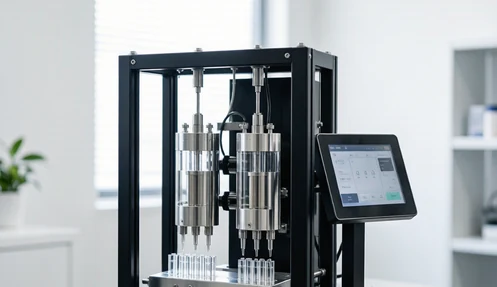
Longwill- Cannabis Oil Filling
Machine Manufacturer
 Efficiency and Precision,
Saving you More.
Main Product Series
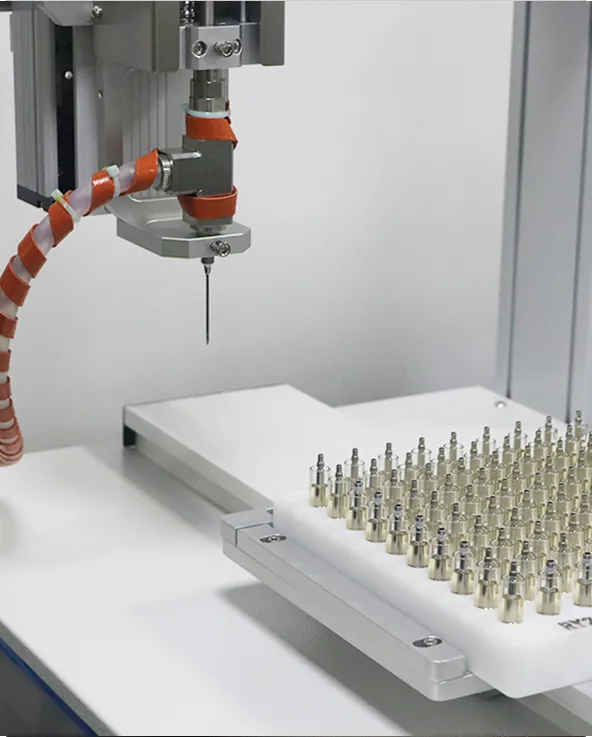
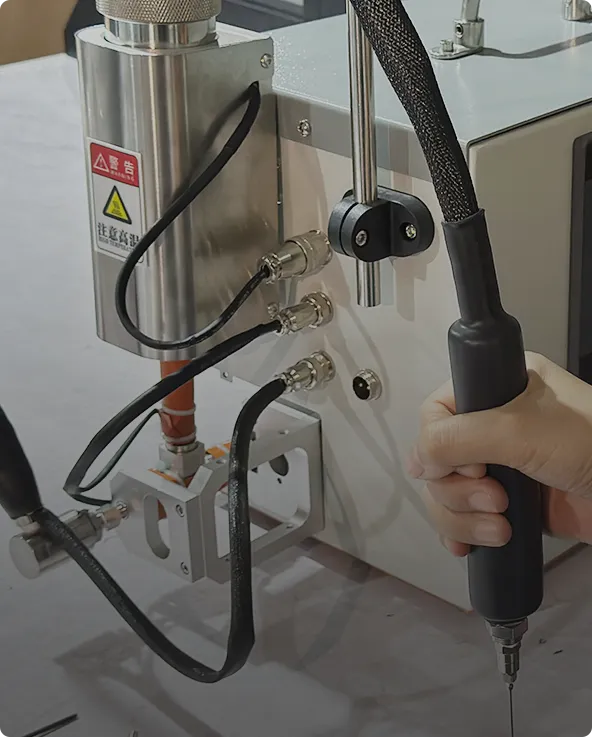
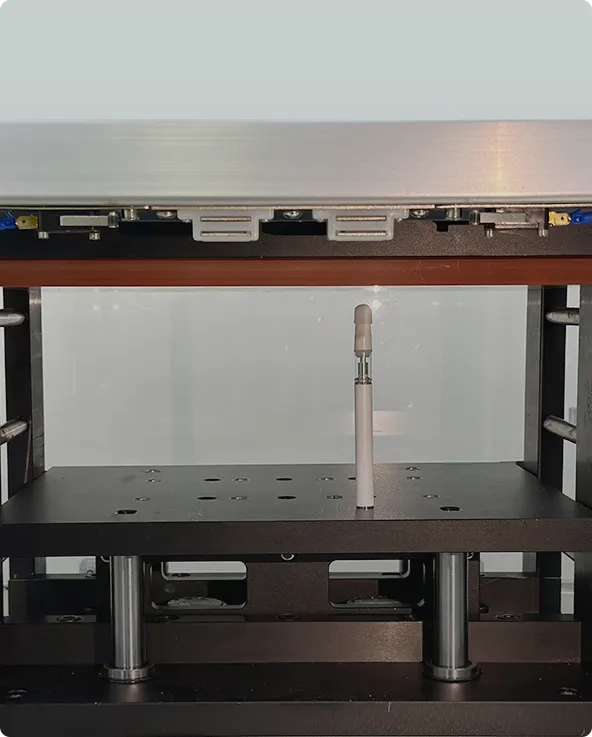
Main Product Series

Longwill YC-300 Semi-Automatic Dual Flavor Cartridge Filling Machine
Semi-automatic dual-flavor cartridge filling machine with dual oil tanks and nozzles for accurate dosing. Built for CBD and cannabis brands to fill two oils in one cartridge, reduce waste, speed changeovers, and ensure consistent output with easy cleaning
With this semi-automatic dual flavor filling machine, you can test new flavors, adjust formulas, and run flexible small-batch production. It supports dual 800ml oil tanks, 0.2–7ml filling per channel, ±1% accuracy, 800–1500 sticks/hour output, and 0–120°C temperature control.
Idea for:
- Cannabis Brands Launching Dual Flavor Cartridges
- OEM / ODM Cannabis White Label Manufacturers
- Small to Medium Production Facilities
- Businesses Upgrading from Manual Filling
Longwill FM-17 Fully Automatic Dual Flavor Cartridge Filling Machine
Fully automatic dual oil cartridge filling machine with dual tanks and nozzles. Supports single flavor and dual flavor CBD vape cartridges with high accuracy.
With this fully automatic dual flavor cartridge filling machine, you can scale cartridge production with higher speed, better consistency, and reduced manual operation. It supports dual 1000ml oil tanks, 0.2–5ml filling per channel, ±1% filling accuracy, 1600–3000 sticks/hour output, 0–120°C temperature control, and stepper motor rail-driven filling for stable large-batch production.
Ideal For:
- Cannabis Brands Scaling Dual Flavor Cartridge Production
- Cannabis Processors Requiring High-Volume Filling
- OEM / ODM White Label Manufacturers with Multi-SKU Production
- Companies Upgrading from Manual or Semi-Automatic Filling

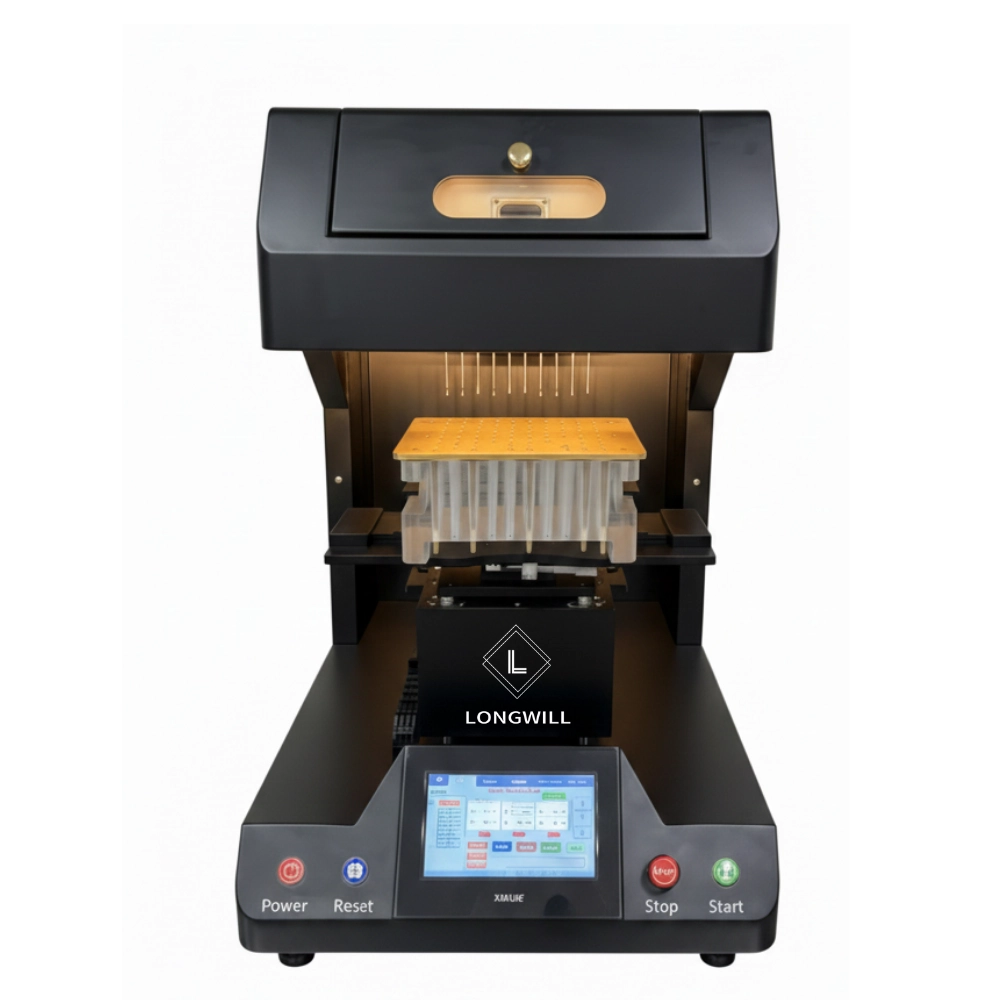
10 nozzle preroll infusion machine
High efficiency 10 nozzle preroll infusion machine designed for infused prerolls. Precise oil dosing from 0.2ml to 1ml. CE & FCC compliant filling solution.

Our Services
At Longwill, we offer more than just filling and capping machine solutions.
We provide comprehensive OEM/ODM services tailored to your needs,
outstanding after-sales support, and fast delivery to ensure your business runs smoothly and efficiently.

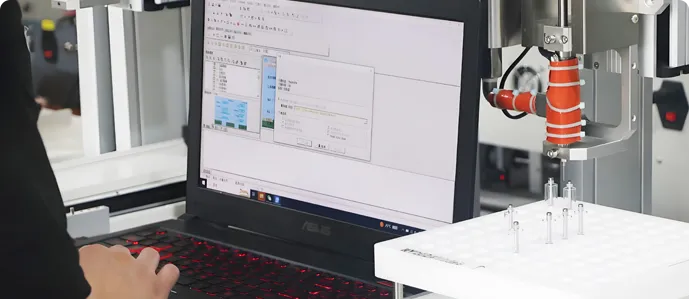

OEM & ODM
Our skilled engineering, sales, and production teams provide you with flexible customization options to transform your specific requirements into reality
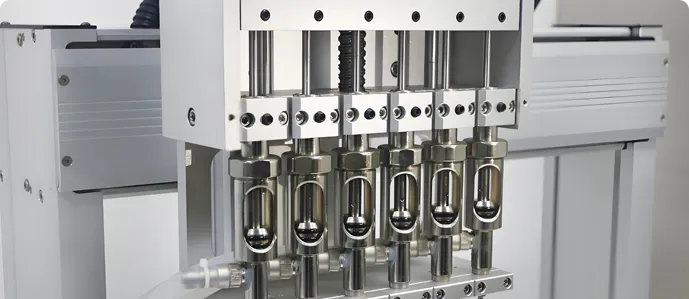

Quality Assurance
All we products have passed CE RoHS FDA certification, From produc- tion to shipment, it has been inspected layer by layer, meeting the high standards of the local market.
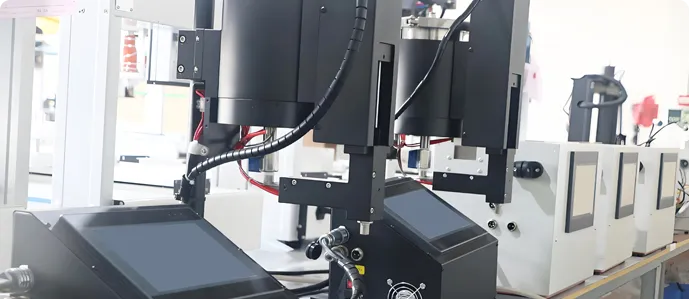

Fast Delivery
We use historical data and market trends to forecast demand to plan production and inventory; So machines can be shipped in 48 hours; Customized machine can be ready in 5 - 7 working days.


Outstanding Support
Excellent Pre-sale, in-sale and after-sale Service, including expert advice, trobleshot issues, and offer solutions to customer's unique Requirements.
About Longwill
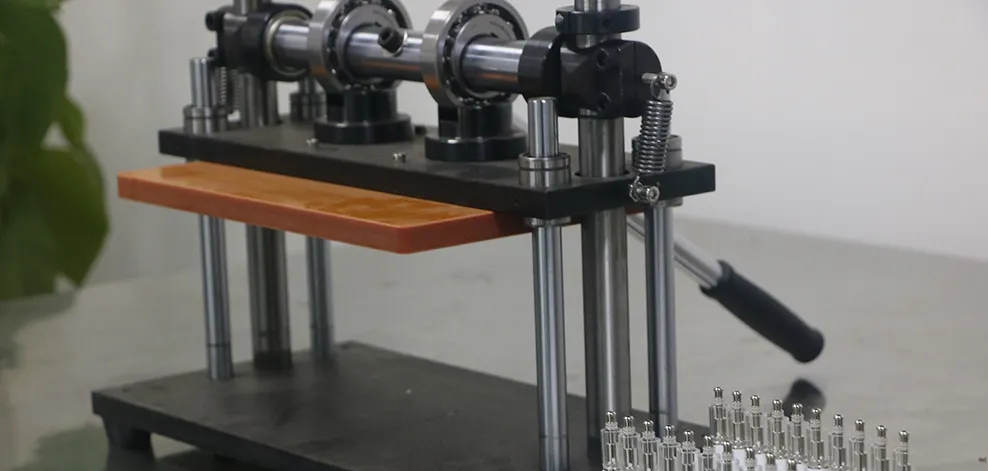
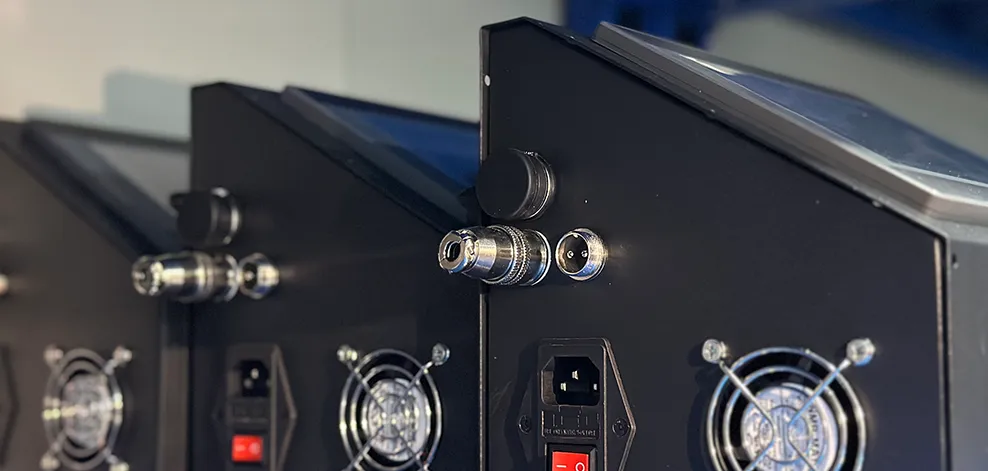
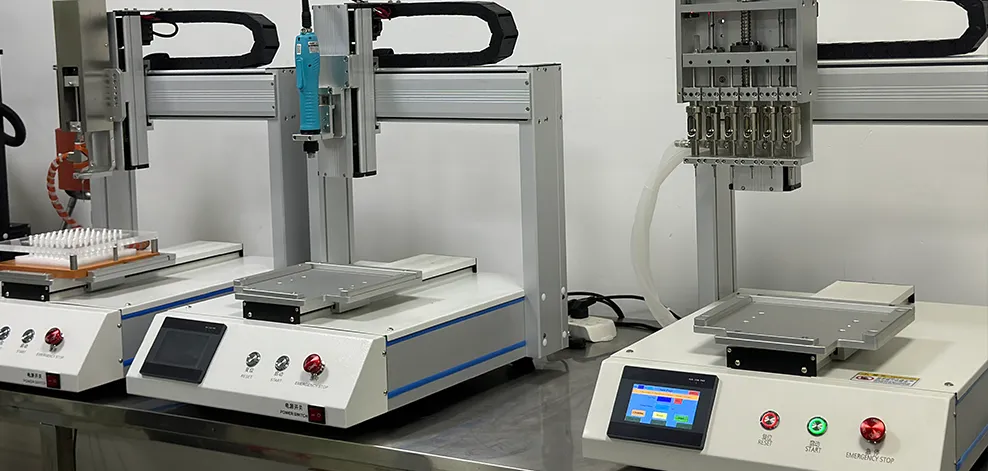
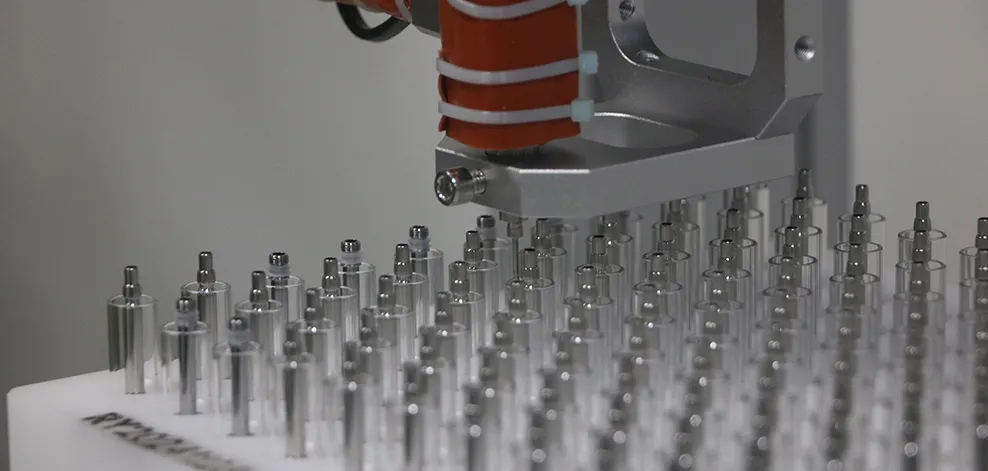
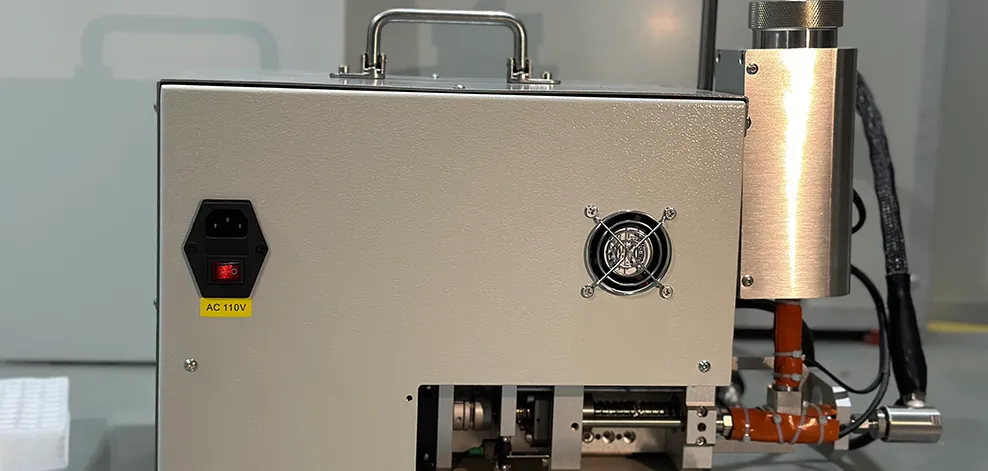
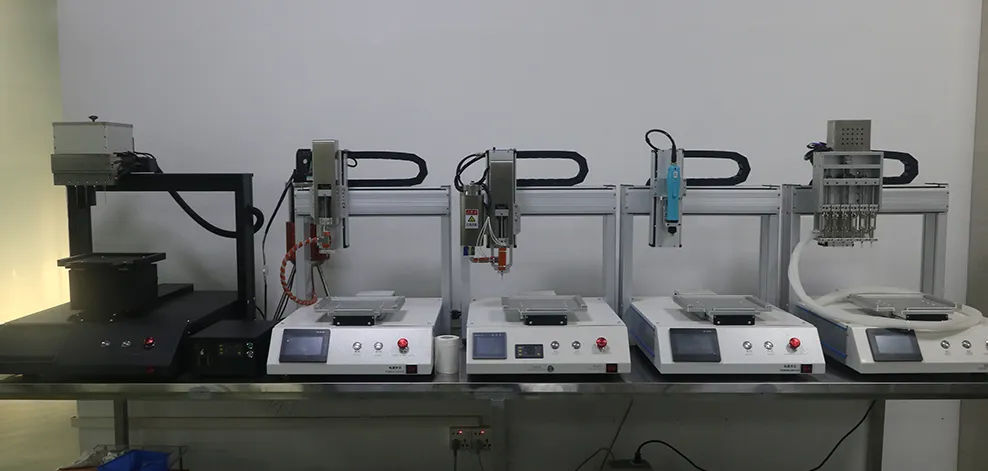
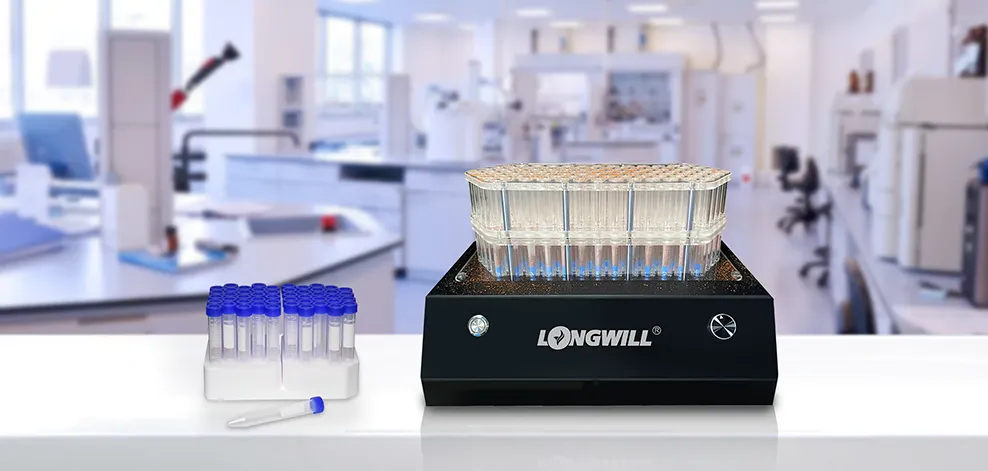
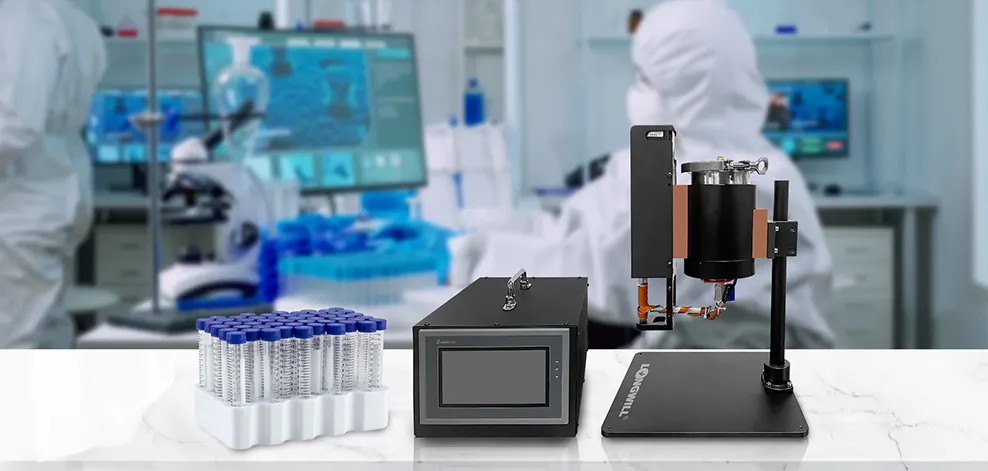
Longwill Technology is a reliable company. We focused on providing high-quality cartridge filling machines, capping machines, pre-roll machines, dab dispenser machines, pre-roll infusion machines and more since 2014.
Our team of highly skilled professionals is dedicated to delivering exceptional products and services that exceed our clients’ expectations. Led by James, our Chief Engineer, who has over 20 years of experience in the machinery industry. we are committed to providing innovative and efficient filling and capping solutions to clients worldwide.
About Us
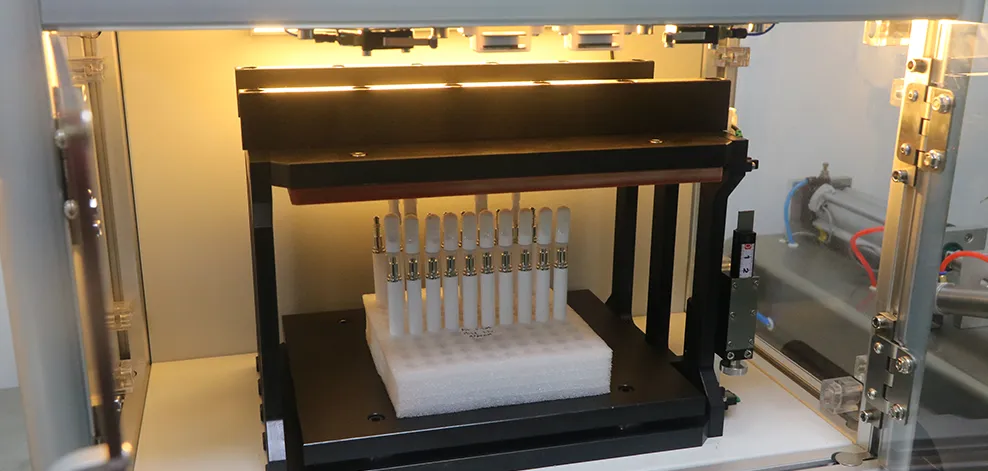

Our Mission
At Longwill, our mission is to provide innovative, efficient,and high-quality solutions for vape oil filling, capping, packaging, and related services.
Our core values—Efficiency and Precision, Saving you More. This is the heart of everything we do. Both our sales team and R&D experts prioritize these principles, driving us to empower businesses to thrive in an everevolving, competitive market.
Contact UsCertifications and Honors

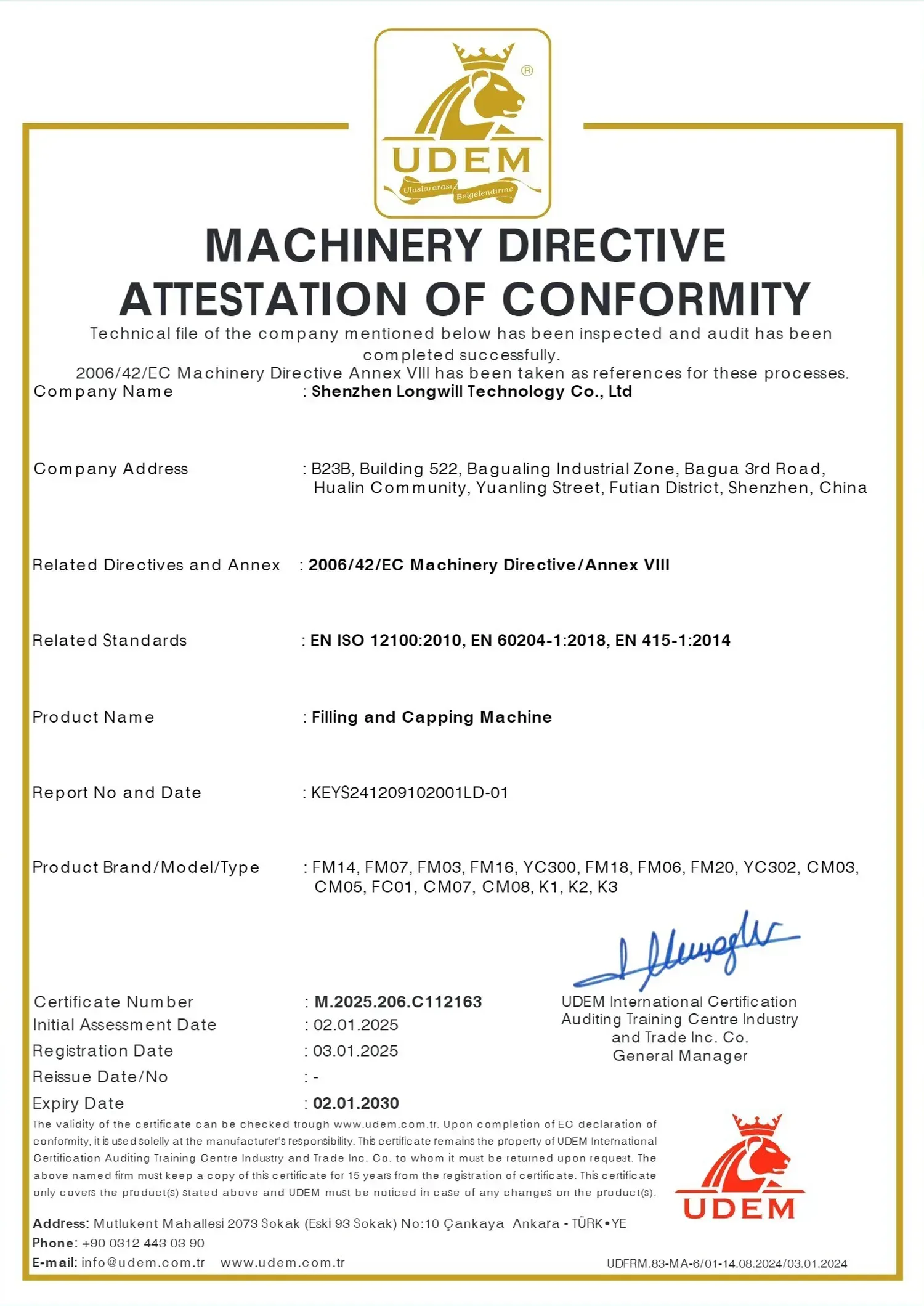
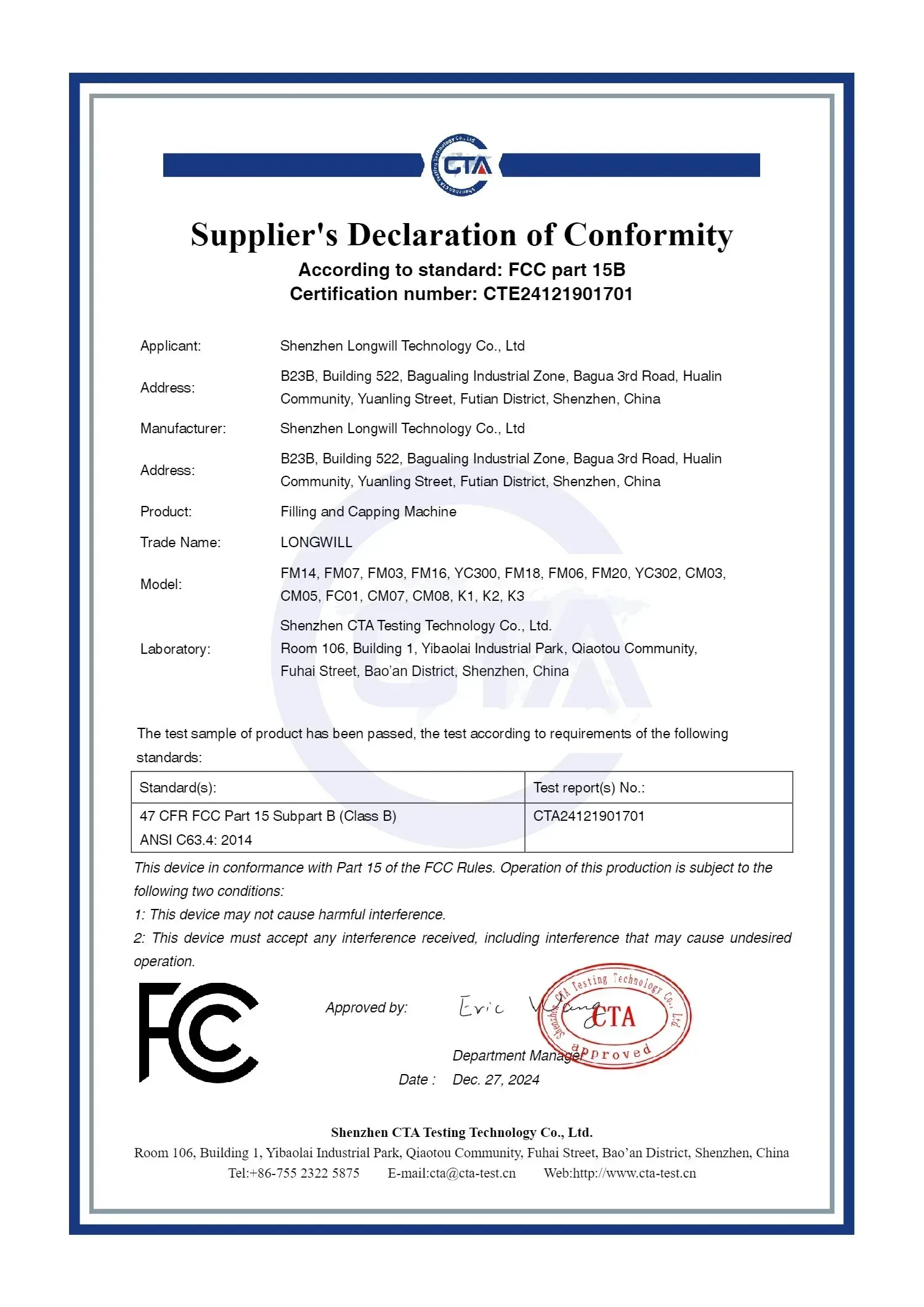
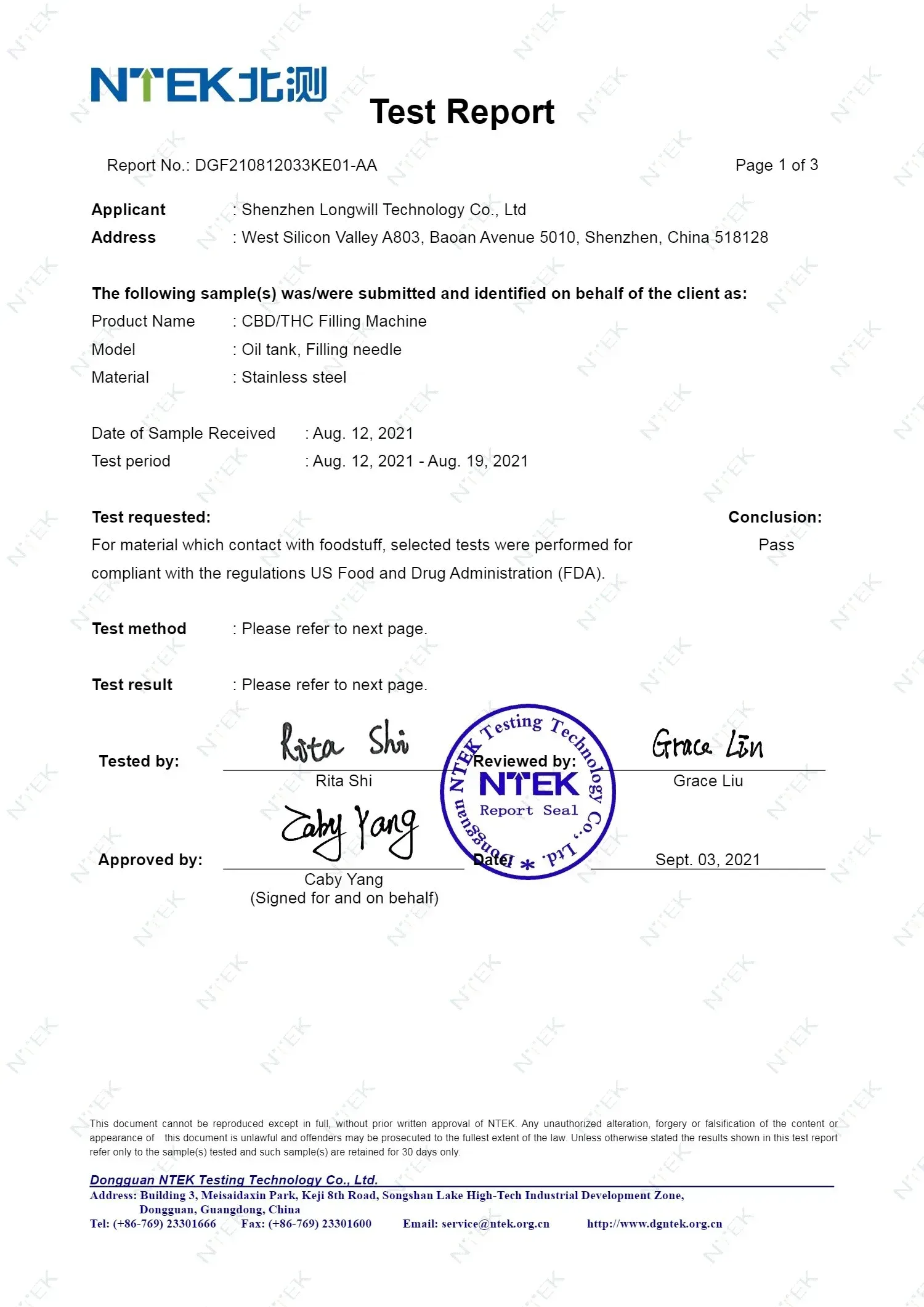
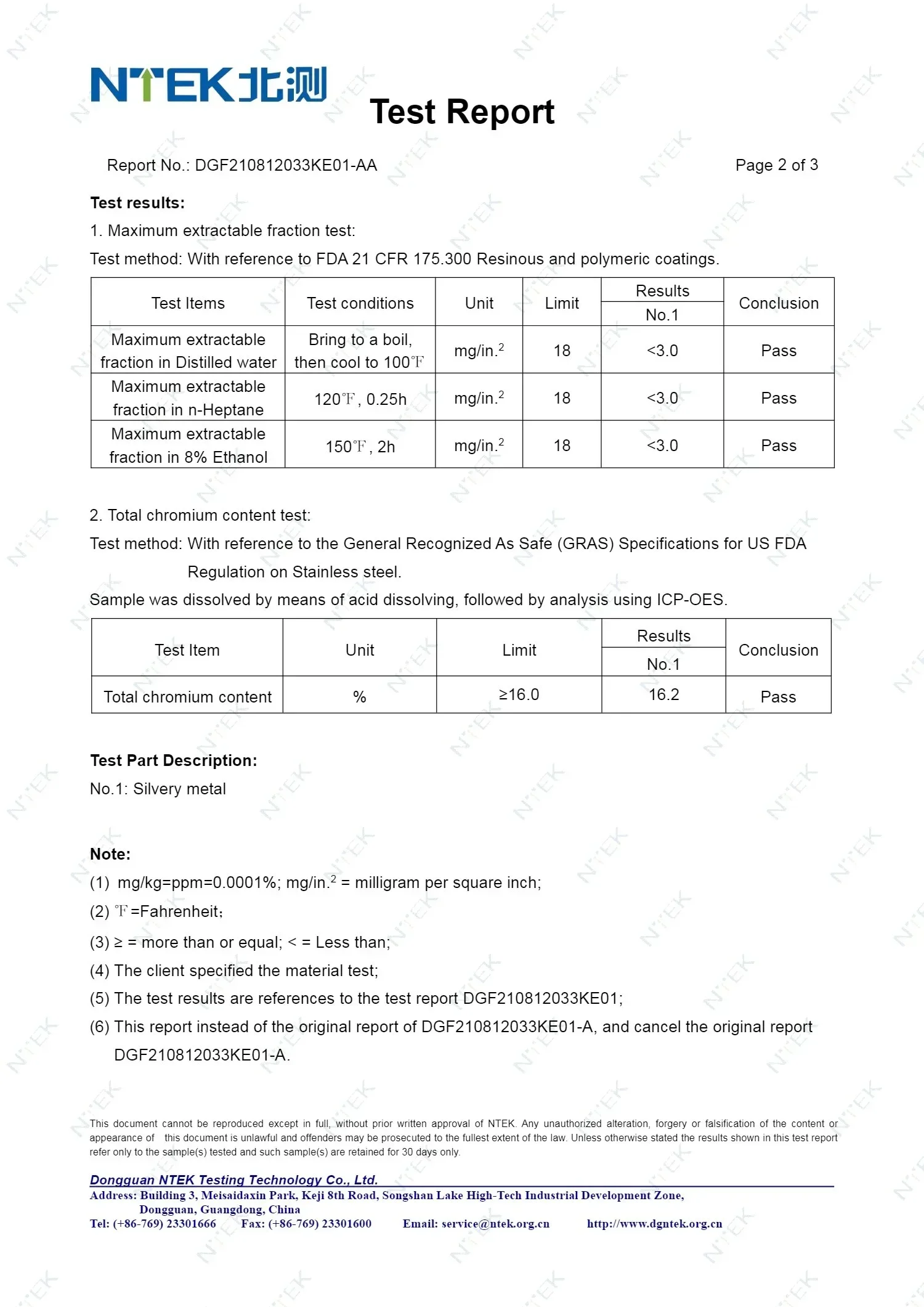
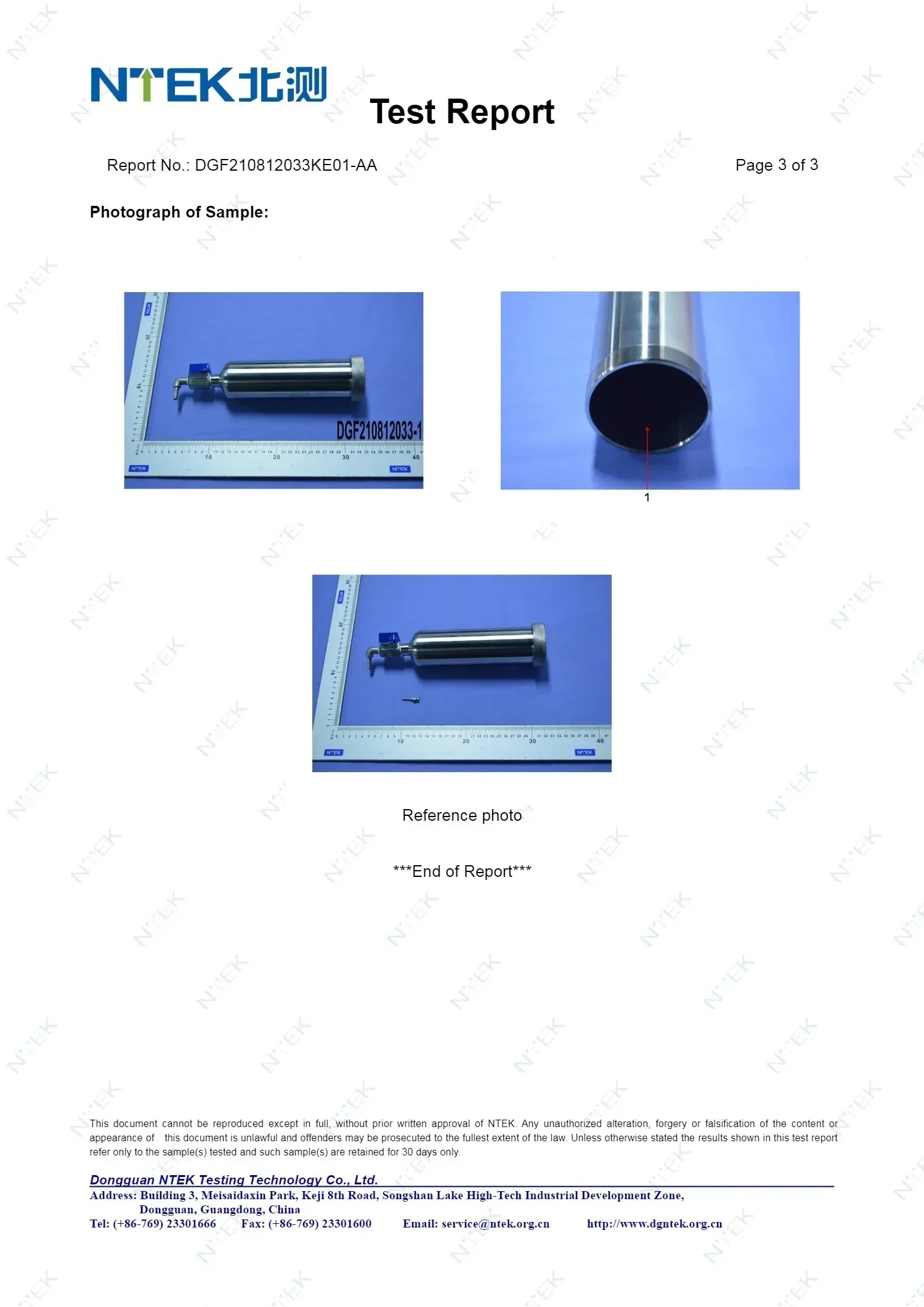
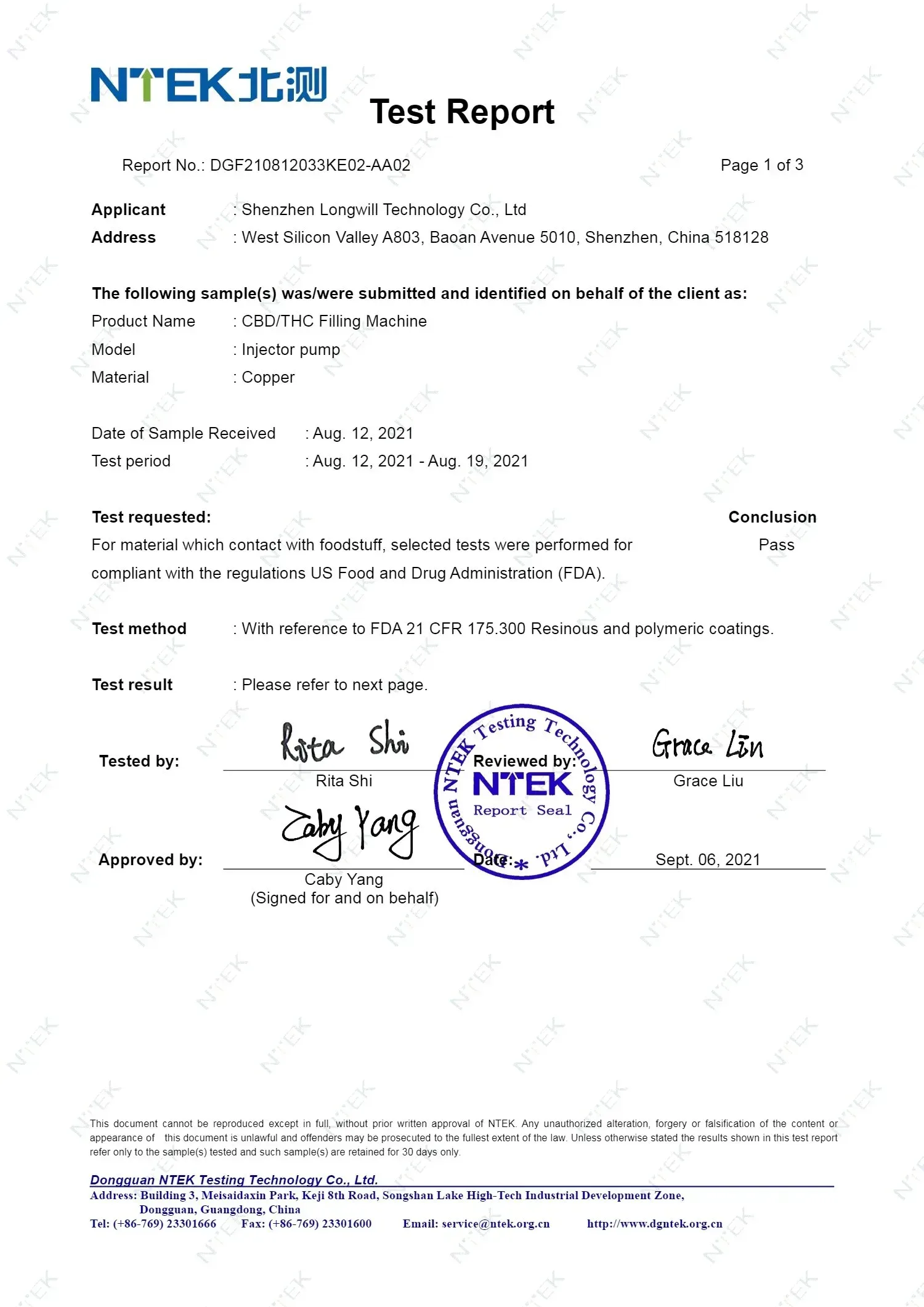
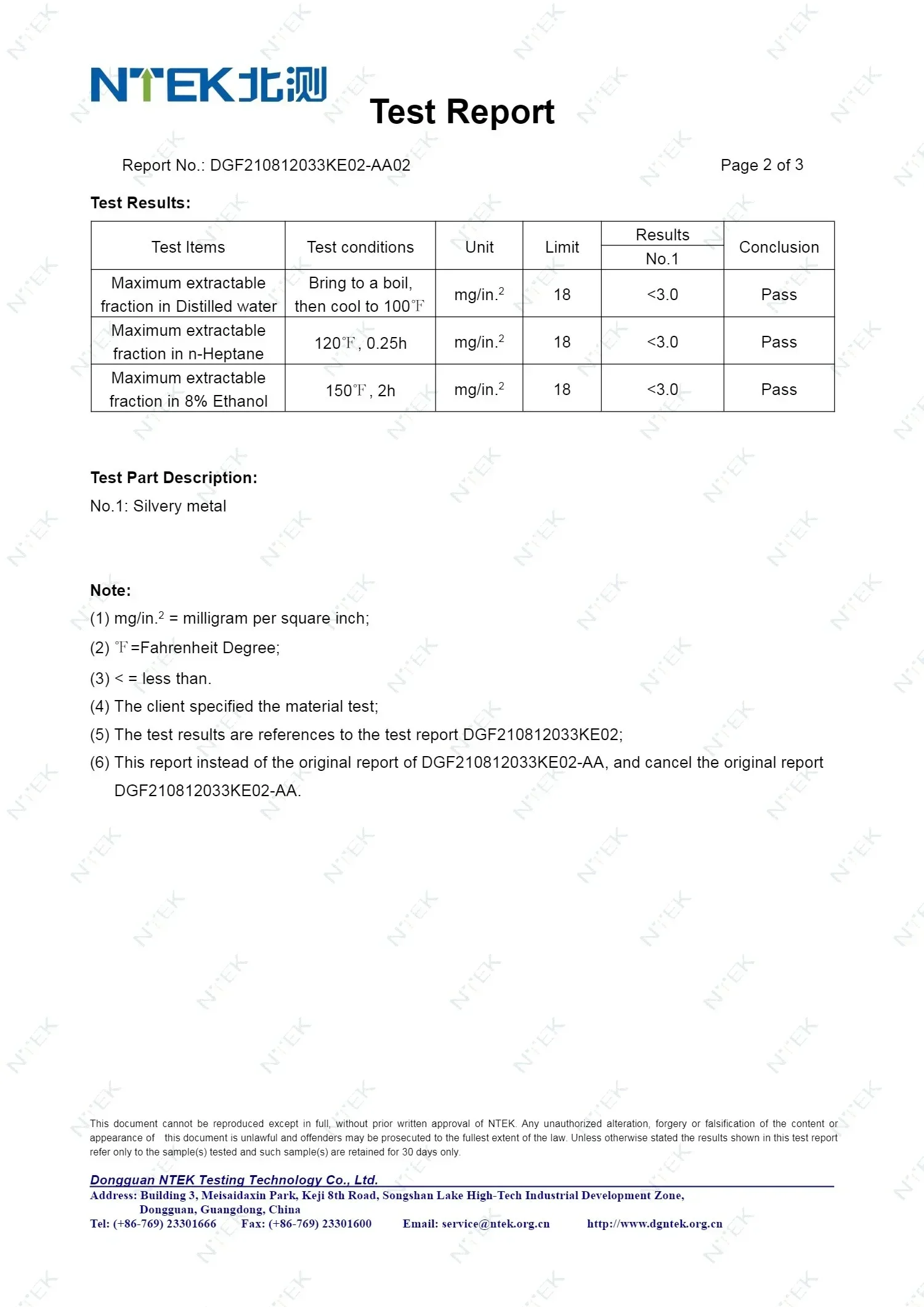
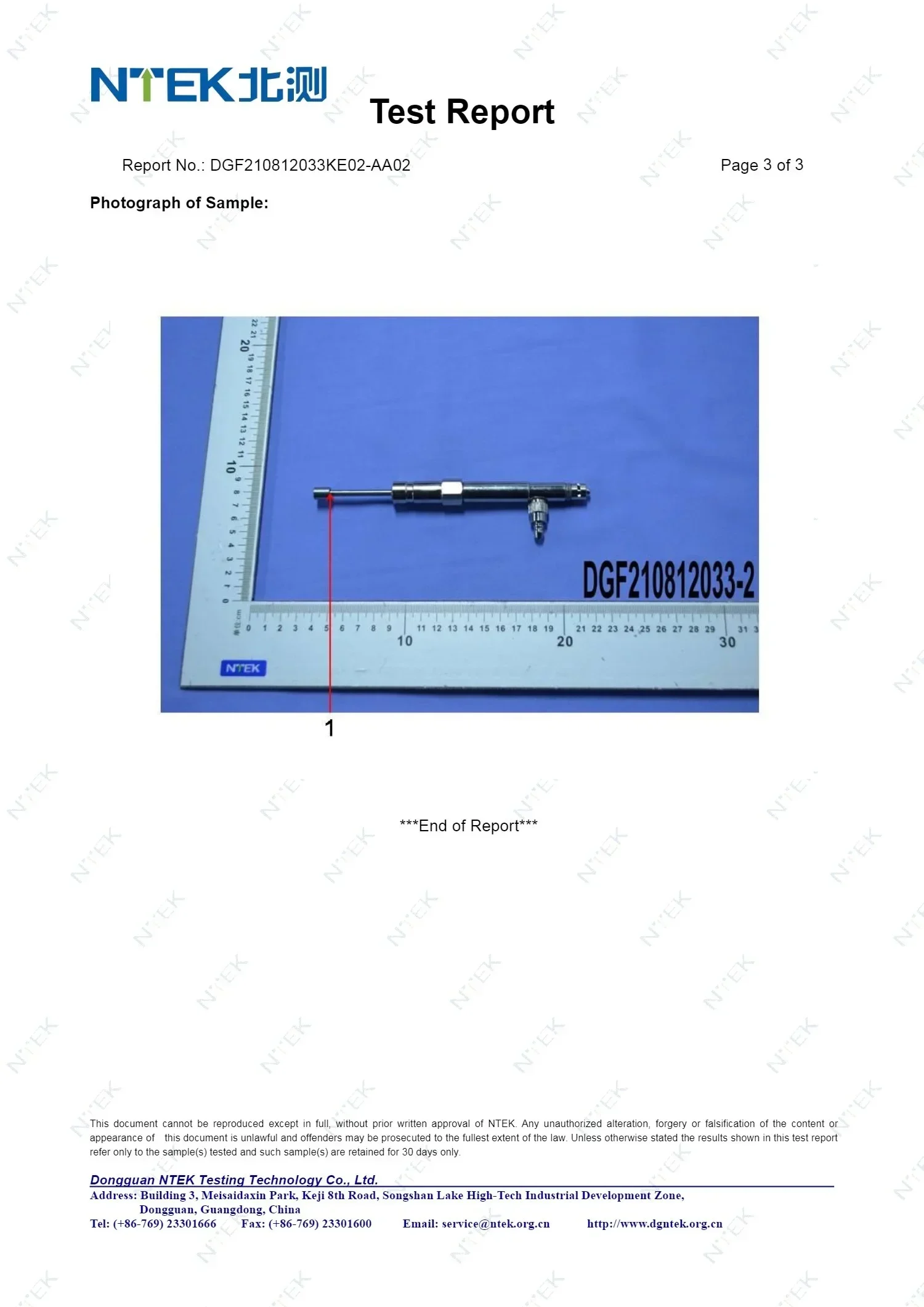
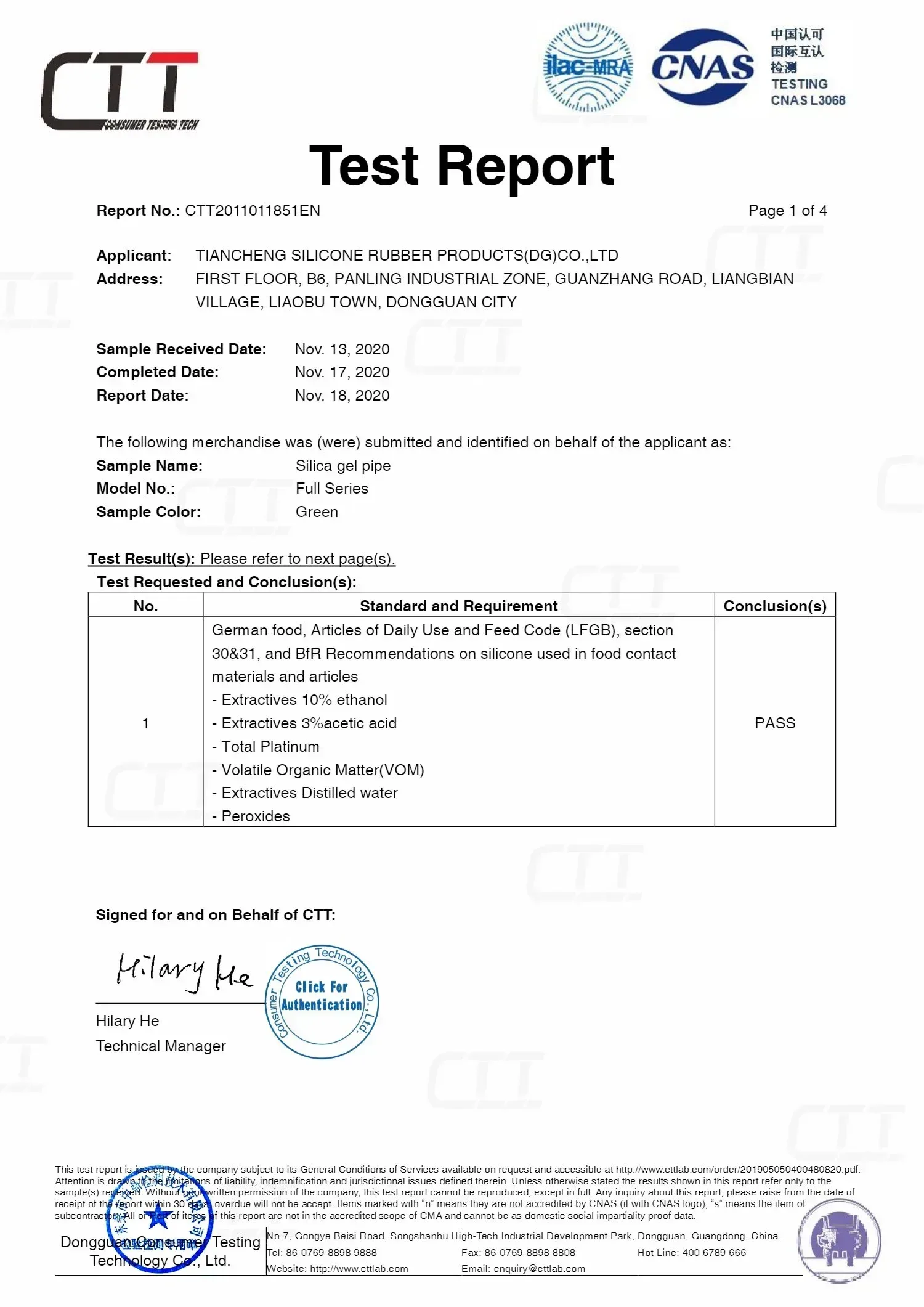
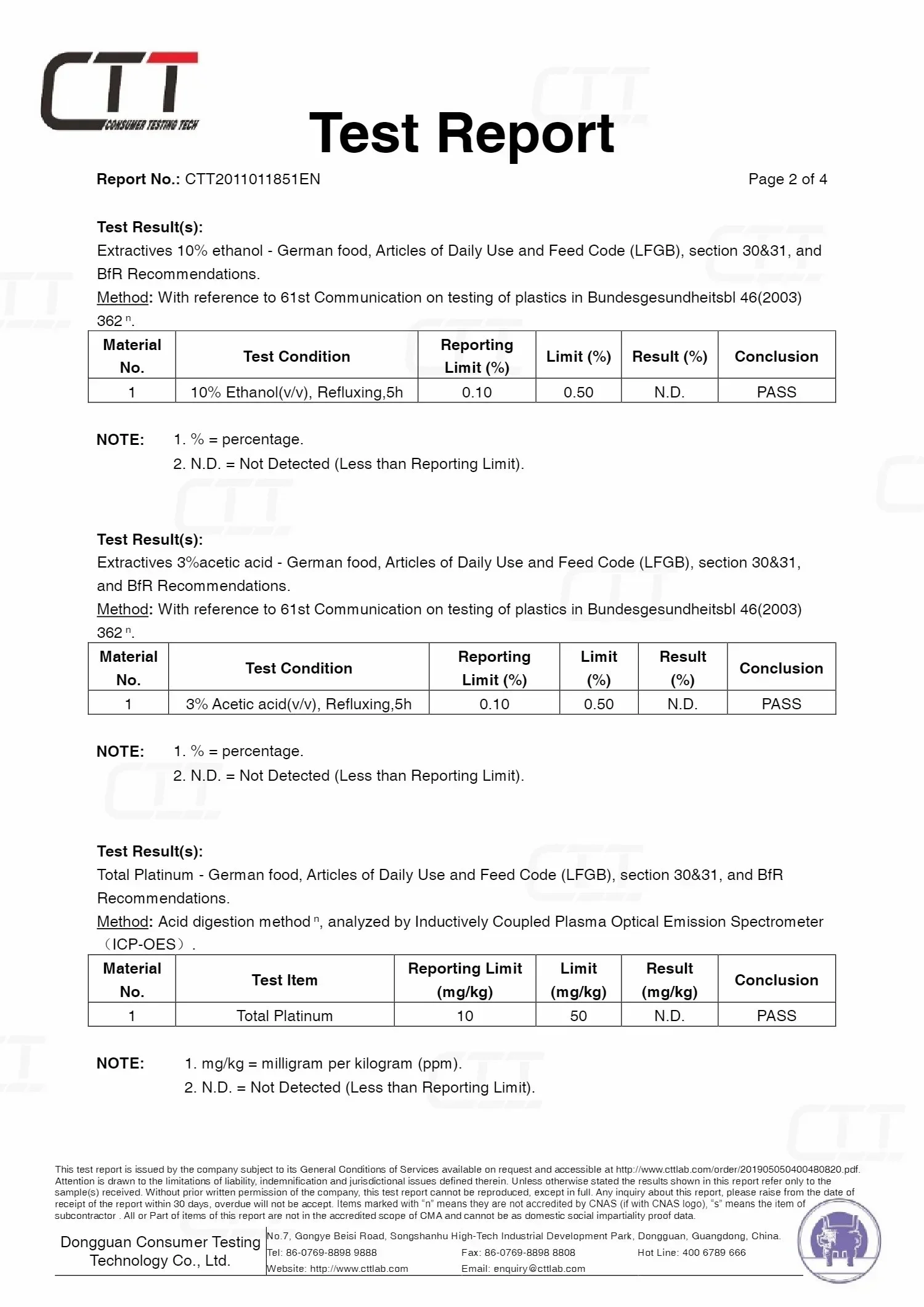
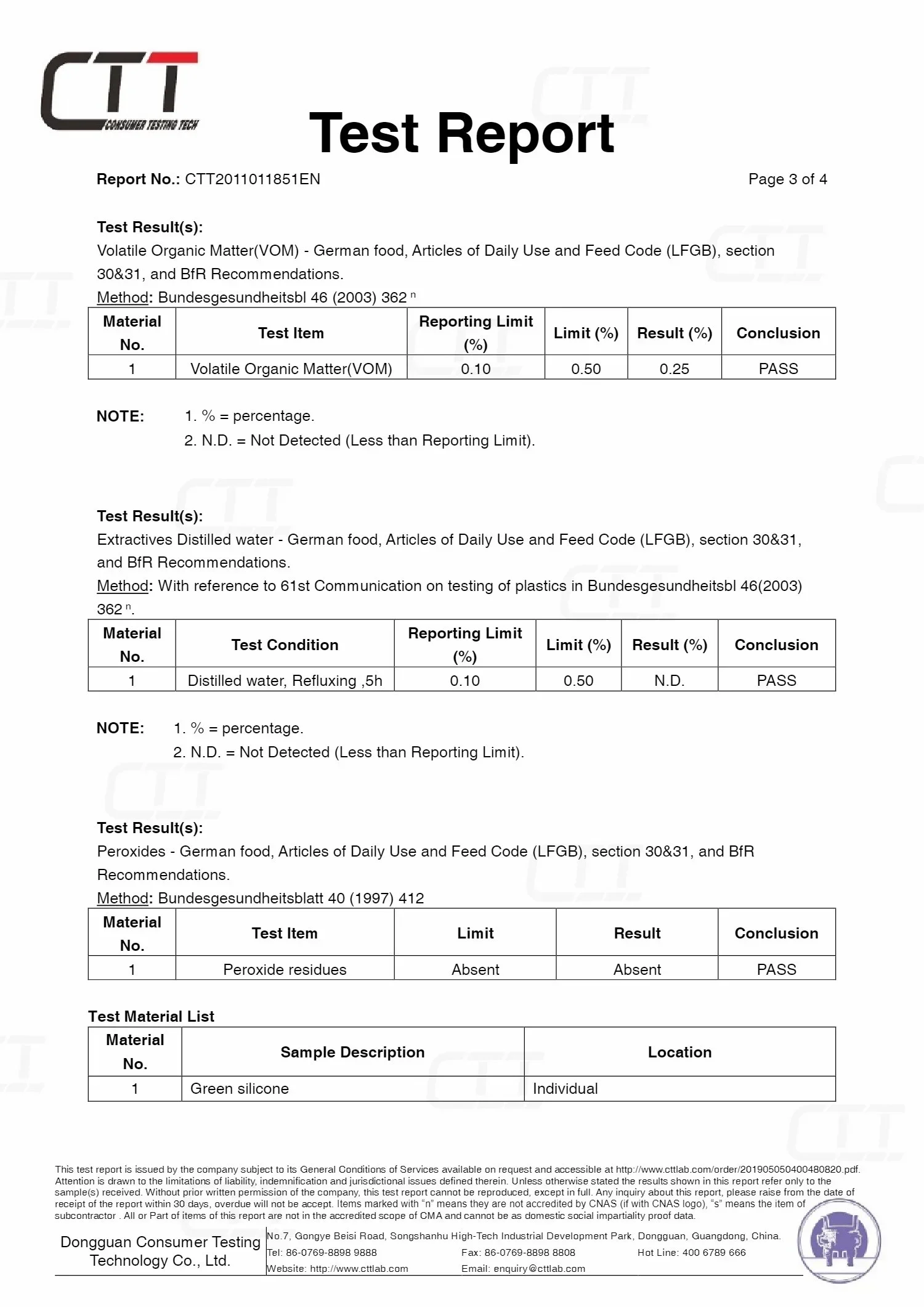
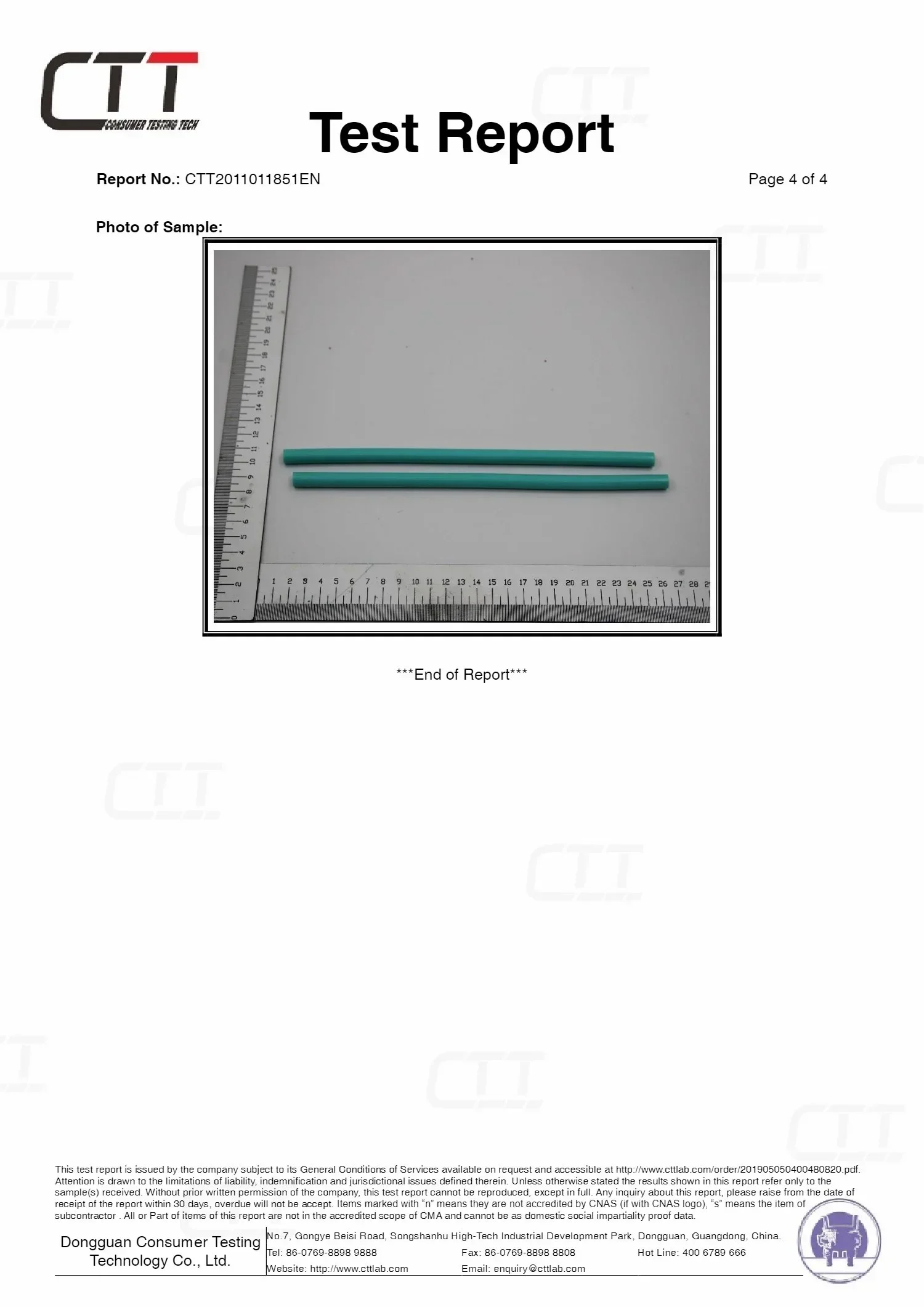
All machines have passed CE and FCC certifications, allowing them to be sold in most countries
worldwide. Additionally, the silicone tubing has passed the LFGB
test in Germany, the pumps and
oil barrels have passed the FDA test in the United States, and all materials in contact with the oil are
safe.
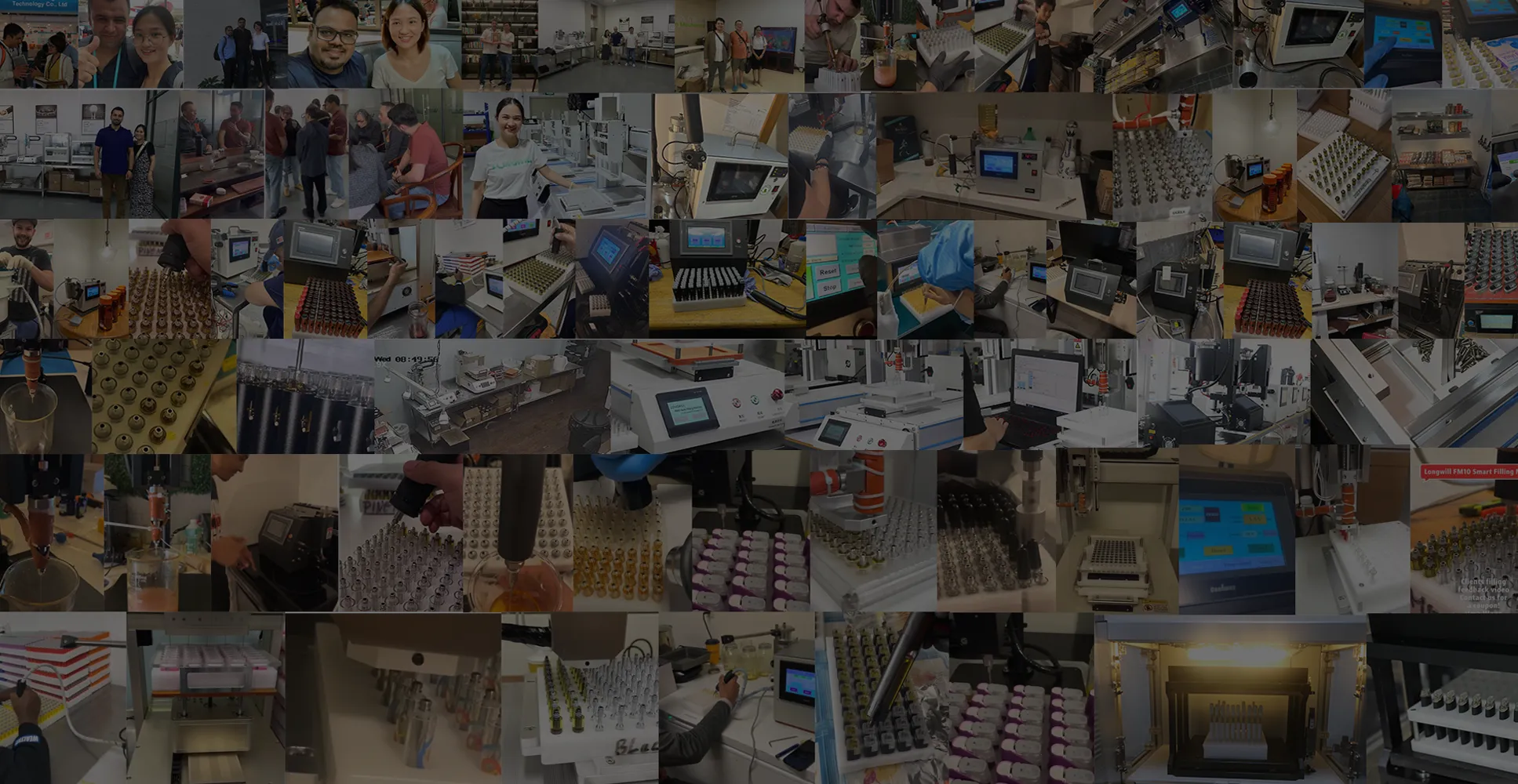
Successful Cooperations








Feedback from Customers


Riley Quinn

— Production Manager
"The filling machine we purchased has drastically im-
proved our production efficiency. Its speed and precision are unmatched, saving us both time and material costs. Coupled with fast delivery and excellent after-sales service, your team has been a true partner in our success!"

James Harrison
— Operations Director
"Your capping machine has been a game-changer for our operations. The reliability and accuracy of the equipment ensure every product meets our high-quality standards. The cost savings and seamless integration into our workflow make it one of the best investments we've ever made."

Victoria Clarke
— Plant Manager
"From the moment we placed the order, the entire process was smooth and efficient. The filling and capping machines were delivered quickly, and they exceeded our expectations in terms of speed, reliability, and ease of use. Your after-sales team was incredibly supportive—highly recommended!"
Let's Build Your Product
Unlock the Full Potential of Your Product Development Partner with our expert team at Longwill Equipment to bring your ideas to life. Fill out the form below, and let's take the first step together in turning your vision into reality.
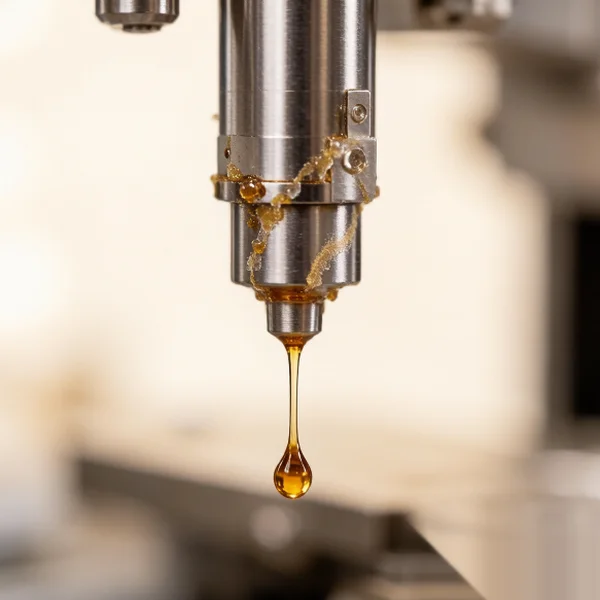
Live Resin Cartridge Filling Temperature: Protect Terpenes Without Sacrificing Fill Accuracy

2026-09-02
Live resin is easier to meter when it is warm, but every additional degree also increases the exposure of its volatile aroma fraction. The practical goal is therefore not to find the hottest setting that makes the oil flow. It is to identify the lowest stable product temperature at which the filling system can deliver repeatable doses without nozzle starvation, stringing, or trapped air. This guide explains how to establish that operating window, what to measure during a trial, and which machine settings matter beyond the heater setpoint. Key Takeaways There is no universal best temperature for every live resin formulation. Composition, decarboxylation, cartridge geometry, dose size, and the machine's fluid path all change the result. A useful development range is approximately 45–55°C (113–131°F), but it should be treated as a trial window—not a specification for every oil. Measure the oil itself, not only the reservoir or controller setpoint. A cold hose or nozzle can make a warm tank behave like an underheated process. Accuracy should be verified by repeated check-weighing after the full fluid path reaches equilibrium. What Is the Best Live Resin Cartridge Filling Temperature? The best live resin cartridge filling temperature is the lowest product temperature that produces clean, repeatable dosing in the actual machine and cartridge combination. For many formulations, a 45–55°C trial window is a reasonable place to begin, but the final validated setting may fall outside it. That distinction matters. A heater display reports a control target, while filling performance depends on the temperature and viscosity of the resin at the point of dispensing. A reservoir at 50°C can feed a cooler hose and nozzle, causing slow recovery between shots. Conversely, a nozzle that is much hotter than the bulk oil can create local thinning, dripping, or inconsistent cut-off. Competitor guidance often reduces the answer to a single number. In production, a better answer is an operating window defined by four pass conditions: the resin reaches the target dose, the weight variation remains acceptable, the nozzle cuts off cleanly, and the cartridge fills without excessive bubbles or flooding. Why Lower Temperatures Help Protect Terpenes Lower temperature and shorter hot-hold time generally reduce unnecessary thermal exposure. This is especially relevant to live resin because its sensory value is closely connected to a complex mixture of volatile compounds rather than only to its cannabinoid content. Temperature alone is not the entire exposure. Time, oxygen contact, surface area, agitation, and repeated reheating also matter. Holding a large reservoir warm for an entire shift can create more cumulative exposure than conditioning a smaller working quantity and filling it promptly. For that reason, a terpene-preserving filling process should control both temperature and dwell time. Do not use aroma as the only quality check. If product quality claims are important, compare retained samples from the approved process with appropriate analytical and sensory methods. The filling machine can control process conditions, but it cannot prove terpene retention by itself. Why Filling Too Cold Reduces Accuracy When live resin is too cold for the selected pump and nozzle, flow resistance rises. The machine may still complete a cycle, but the dose can recover slowly, break into strings, or arrive with trapped air. These symptoms create the appearance of a calibration problem even when the programmed volume has not changed. Common signs of an underheated process the first cartridges fill correctly but later shots become light; the pump hesitates or the pressure increases; resin strings between the nozzle and cartridge; the nozzle partially clogs after a pause; microbubbles appear after cold material enters the line; fill weight improves temporarily when the operator slows the cycle. If slowing the cycle improves dose weight, the system may need more recovery time, a more uniform fluid-path temperature, a different nozzle, or a warmer—but still controlled—product temperature. Increasing heat should not be the automatic first response. Why Filling Too Hot Can Also Hurt Accuracy Overheating may make the resin easy to move, but it can introduce a different set of problems. A very thin product can drip after shutoff, flow into the center airway, or continue moving while the cartridge is being handled. Hot resin also contracts as it cools, changing the visible fill line and potentially increasing the importance of the capping sequence. Excess heat may also increase aroma loss, color change, and oxidation risk. The correct process therefore balances flow against exposure; it does not maximize fluidity. If the only way a machine can fill is by using an unnecessarily high temperature, review the pump, line length, nozzle diameter, insulation, and cycle speed before raising the setpoint again. Use Product Temperature, Not Just Heater Setpoint A low temperature cartridge filling process works only when the complete wetted path is controlled. Operators should distinguish among reservoir temperature, hose or pump temperature, nozzle temperature, cartridge temperature, and the actual resin temperature. Longwill Machinery's automatic cartridge filling machines offer adjustable heating systems for oils with different viscosities. Model specifications show broad controller ranges, but those ranges are equipment capabilities—not recommended live resin recipes. The validated resin temperature must come from trials with the customer's own formulation and hardware. Before recording results, allow the reservoir, pump, hose, and nozzle to reach a stable condition. Then verify the oil temperature with a suitable calibrated method at a representative point. Avoid assuming that a controller set to 50°C means the resin exits at exactly 50°C. A Practical Low-Temperature Calibration Method Start with the formulation supplier's handling limits and the cartridge manufacturer's filling instructions. Within those boundaries, use a structured trial rather than adjusting several variables at once. Define acceptance criteria. Set the target net weight, allowable tolerance, bubble limit, visual fill requirement, and maximum permitted product temperature. Condition a small batch. Use only enough resin for the trial so the entire production batch is not exposed to repeated heating. Stabilize the fluid path. Bring the tank, pump, hose, and nozzle to equilibrium and purge the line according to the machine procedure. Run and weigh a sequence. Weigh at least 10 consecutive units after startup. Include the first unit after a planned pause because restart behavior often reveals cooling at the nozzle. Change one variable. If doses are light or the nozzle strings, first adjust cycle speed, recovery time, or cut-off. Raise product temperature in small increments only when the evidence points to excessive viscosity. Repeat after a dwell period. A setting that works for five minutes may drift during a long run. Recheck temperature and weight after the system has operated at steady state. Lock the recipe. Record the formulation identifier, lot, temperature at the product, pump or pressure setting, dose, nozzle, cycle speed, warm-up time, and results. For more detail on matching equipment to viscosity, automation level, and cartridge format, see Longwill Machinery's guide to buying vape cartridge filling machines. Settings That Matter as Much as Temperature Temperature is only one control variable. The best temperature for filling live resin carts can change when any of the following settings changes. Pump or pressure setting The dosing mechanism must move the conditioned resin without compressing air or creating excessive shear. Time-based systems are especially sensitive to viscosity drift, while volumetric systems still require a fully supplied inlet and consistent cut-off. Nozzle diameter and heated length A narrow or unheated nozzle can become the coldest and most restrictive part of the line. A larger nozzle may improve flow, but it must still fit the cartridge opening and avoid the center airway. Select the nozzle with the actual cartridge, not in isolation. Cycle speed and recovery time High throughput is not useful if the pump cannot refill consistently between shots. Compare the first shot, consecutive shots, and restart shot after a pause. If only continuous high-speed operation fails, recovery time is a stronger suspect than the programmed dose. Cartridge preconditioning A cold cartridge can cool resin immediately at the inlet and trap bubbles along the wall. Any cartridge warming must remain within the hardware supplier's limits and should be controlled, uniform, and documented. How to Diagnose Bubbles Without Overheating the Resin Bubbles do not automatically mean the reservoir temperature is too low. They can come from air entering a fitting, incomplete priming, cold spots, agitation, rapid transfer, or an unsuitable nozzle position. Begin by checking the material path for air leaks and confirming that the pump inlet remains fully supplied. Prime slowly, keep the nozzle near the intended fill position without blocking the cartridge airway, and avoid whipping air into the resin during conditioning. If bubbles appear mainly after a pause, inspect nozzle cooling and restart settings. If they appear continuously, inspect the inlet, seals, and transfer method. Community discussions repeatedly connect cold syringes and cartridges with bubble formation, but those reports are useful as problem signals rather than validated specifications. Production settings should be established with controlled trials and recorded measurements. Choosing a Live Resin Filling Machine A suitable live resin filling machine should give the operator control over the entire material path, not merely provide a hot reservoir. Evaluate independent heating zones, the distance from tank to nozzle, temperature sensor location, dose repeatability at the intended viscosity, restart behavior, cleanability, and the ability to store validated recipes. For pilot batches or frequent formulation changes, a semi-automatic cartridge filling machine can provide more operator control. For higher throughput, automatic equipment can reduce handling variation, provided that the resin, cartridge, nozzle, and process settings have already been validated. Ask the supplier to test with representative material or a rheologically similar approved substitute. A useful test should show consecutive fill weights, the actual oil temperature, the cycle rate, the nozzle condition, and the restart result after a pause. A broad controller range alone does not demonstrate low-temperature filling performance. Frequently Asked Questions Can live resin be filled below 45°C? Yes, if the specific formulation and filling system can deliver repeatable doses at that temperature. Some terpene-rich formulations flow at lower temperatures, while thicker products may require a warmer path, slower cycle, or different nozzle. Validate with actual product temperature and check weights. Should the reservoir and nozzle use the same setpoint? Not necessarily. Heat loss differs across the system, so identical controller settings may not produce identical product temperatures. The objective is a stable resin temperature and consistent viscosity throughout the wetted path, without creating a hot spot at the nozzle. How often should fill accuracy be checked? Check during setup, after the fluid path reaches equilibrium, after meaningful pauses or parameter changes, and at defined intervals during the run. The interval should reflect process risk, batch size, equipment capability, and applicable quality requirements. Does a higher heater range mean a machine is better for live resin? No. A high maximum temperature shows capability, not suitability. For terpene-preserving filling, stable low-temperature control, short and uniformly heated paths, clean cut-off, and repeatable dosing are more relevant than the maximum heater setting. Build a Repeatable Temperature Window Protecting terpenes without sacrificing fill accuracy requires a controlled window rather than a universal number. Start conservatively, measure the resin itself, stabilize the whole fluid path, and use check-weighing to confirm performance. If a process fails at low temperature, diagnose recovery time, nozzle restriction, air entry, and heat loss before simply turning up the heater. Longwill Machinery can help evaluate automatic or semi-automatic configurations against the customer's oil behavior, cartridge geometry, batch size, and target output. The most useful equipment discussion begins with representative material data and a defined acceptance test—not only a requested temperature.

Cannabis Vape Cartridge Filling Machines Manual vs Semi-Automatic vs Fully Automatic (2026 Complete Guide)
2026-07-29
This guide compares the differences between these three filling machine options and explains the key factors manufacturers should consider when selecting the right equipment for their vape cartridge production needs.Manual vs Semi-Automatic vs Fully Automatic Vape Filling Machines ComparisonFeatureManualSemi-AutomaticFully AutomaticProduction VolumeLowMediumHighOutput CapacityLow (Small batch production)800–1,500 cartridges/hourHigh-volume production (Thousands of cartridges/hour)Labor RequirementHighMediumLowInvestment CostLowMediumHighFilling ConsistencyOperator dependentHighHighestROI (Return on Investment)Lower ROI for scaling due to higher labor costsBalanced ROI with improved efficiency and moderate investmentHigher long-term ROI for large-scale productionBest ForTesting & small batchesGrowing productionIndustrial manufacturingManual Vape Cartridge Filling Machines: A Flexible Starting Point for Small-Batch ProductionA manual vape cartridge filling machine is a practical option for businesses that are entering cartridge production or working with limited production volumes. Since the filling process is controlled manually, it provides greater flexibility for startups, product developers, and brands that need to test different formulations before committing to larger-scale equipment. Start with the beginner's guide to how vape cartridge filling machines work.1.Affordable Entry for New ProductionOne of the main advantages of manual filling equipment is its low investment requirement. With a simple operating process and minimal setup, manufacturers can quickly begin small-batch production without significant equipment costs.2.Ideal for Product Testing and Custom RunsManual machines allow operators to easily adjust filling quantities and switch between different cartridge types or formulations. This flexibility makes them suitable for R&D projects, new product launches, and customized orders with changing production requirements.3.Challenges When Scaling UpAs order volumes increase, manual operation can become less practical due to slower processing speeds and greater reliance on operator consistency. For manufacturers looking to expand production capacity, semi-automatic or fully automatic solutions offer better long-term scalability.Semi-Automatic Vape Cartridge Filling Machines: A Practical Choice for Growing ProductionA semi automatic vape cartridge filling machine is designed for manufacturers that need more efficiency than manual filling while still maintaining flexibility for different products and batch sizes. It offers a practical middle ground for growing vape brands that require better process control but do not yet need a fully automated production line.1. Improved Filling Accuracy and Process StabilityCompared with manual filling methods, semi-automatic systems provide better control over key filling parameters, including dispensing volume, filling speed, and temperature settings. This helps reduce variations between batches and ensures more consistent cartridge filling results.Longwill semi-automatic vape cartridge filling machines support 0.2–7ml filling volume per channel with accuracy up to ±1%, helping manufacturers achieve precise dosing while minimizing oil waste during production.2. Better Adaptability for Different Oil TypesVape oils can differ greatly in viscosity, from standard CBD oils and distillates to thicker extracts such as live resin. Maintaining stable oil flow is essential for avoiding issues like uneven filling or material buildup.With 0–120°C temperature control and dual 800ml oil tanks, Longwill semi-automatic systems help manufacturers manage different oil formulations while maintaining consistent filling performance across various applications.3. Increased Output Without Losing FlexibilityAs order volumes grow, manufacturers need equipment that can improve productivity without limiting product flexibility. Semi-automatic machines reduce repetitive manual operations while allowing operators to adjust settings quickly for different cartridge specifications and formulations.Depending on configuration, Longwill semi-automatic vape cartridge filling machines can achieve 800–1,500 cartridges/hour, making them a suitable option for brands moving from small-batch testing toward regular commercial production.Fully Automatic Vape Cartridge Filling Machines: Built for Scalable ManufacturingA fully automatic vape cartridge filling machine is designed for companies that need a more efficient and standardized way to produce cartridges at scale. By integrating multiple operations into a single system, it helps manufacturers simplify workflows, reduce manual handling, and maintain stable performance during continuous operation.1. Integrated Filling WorkflowFully automatic systems combine multiple production stages into one streamlined process, including:Cartridge Loading↓Oil Filling↓Capping↓Finished Product OutputWith automated coordination between each step, manufacturers can reduce operator involvement, improve process efficiency, and achieve a smoother workflow for large-volume orders.2. Designed for High-Volume Commercial ApplicationsFor large cannabis brands, contract manufacturers, and facilities handling continuous cartridge demand, automation provides the capacity and consistency needed for long-term operations.Compared with semi-automatic equipment, fully automatic solutions offer a higher level of process integration, allowing manufacturers to standardize filling procedures, reduce repetitive tasks, and improve overall production efficiency.Longwill’s fully automatic vape cartridge filling solutions support customized configurations based on cartridge specifications, oil viscosity, filling requirements, and target output, helping customers build production systems that match their business needs.3. Reliable Quality for Continuous OperationIn high-volume cartridge manufacturing, even small variations can affect product consistency and material usage. Fully automatic systems help maintain stable control over key parameters such as filling volume, dispensing speed, and processing sequence, ensuring more uniform results across large batches.With over 10 years of vape filling equipment manufacturing experience, Longwill provides semi-automatic and fully automatic solutions for different production stages. Through customized equipment design and engineering support, Longwill helps manufacturers improve operational efficiency and establish reliable cartridge filling processes for long-term growth.How to Choose the Right Vape Cartridge Filling Machine?Selecting the right vape cartridge filling machine requires more than comparing prices. The ideal solution depends on your production goals, oil formulation, automation requirements, and plans for future growth. Choosing the right equipment at the beginning can help businesses improve efficiency while avoiding costly upgrades later. Check the key specs to confirm before buying a vape cartridge filling machine.1. Consider Your Production VolumeThe expected production volume is one of the first factors to evaluate when choosing a filling machine.For startups, R&D teams, or brands producing limited batches, manual filling equipment can provide the flexibility needed for testing and small-scale production. When order volumes begin to increase, a semi automatic vape cartridge filling machine offers better consistency and productivity. For companies handling large and continuous orders, fully automatic systems provide a higher level of automation and production capacity.Matching the machine type with your current output and growth stage allows you to invest in equipment that fits your actual business needs.2. Consider Your Oil FormulationThe characteristics of vape oil have a direct impact on filling performance. Different materials, including distillate, live resin, rosin, and CBD oil, may require different handling methods due to variations in viscosity and flow behavior.When evaluating a filling solution, factors such as heating capability, temperature stability, viscosity control, and dispensing method should be considered. These features help maintain smooth oil flow, improve filling accuracy, and reduce issues such as clogging or inconsistent dosing.A suitable machine should adapt to the oil formulation and support stable operation across different product types.3. Consider Future Expansion RequirementsChoosing a filling machine is also a long-term investment decision. As demand grows, manufacturers may need higher output, improved consistency, and reduced dependence on manual operations.Machines with adjustable parameters, flexible configurations, and upgrade potential can better support future changes in product lines or order volumes, helping businesses scale without replacing their equipment too frequently.Key Features to Look for in a Professional Vape Cartridge Filling MachineWhen selecting an automatic vape filling machine, filling speed is only one part of the evaluation. Factors such as filling accuracy, oil handling capability, cartridge compatibility, and ease of operation also play an important role in long-term equipment performance.1. Precision Filling SystemFilling accuracy directly affects cartridge quality and material usage. A professional dispensing system should provide precise and repeatable filling results while reducing variation between individual cartridges.Features such as adjustable filling volume, controlled dispensing speed, and flexible parameter settings allow the machine to handle different production requirements with greater accuracy.2. Temperature Control SystemFor oils with higher viscosity, including distillate, live resin, and other concentrated formulations, temperature control is essential for maintaining proper flow characteristics.A reliable heating system helps prevent issues such as uneven dispensing or material buildup, allowing different oil types to be processed more smoothly.3. Compatibility With Different Cartridge SizesVape products may use different cartridge formats, from standard 0.5ml and 1ml cartridges to customized designs. A flexible filling machine should allow adjustments for different capacities and specifications.This adaptability enables manufacturers to expand product options without requiring separate equipment for every cartridge type.4. Easy Operation and MaintenanceBeyond filling performance, machine usability affects daily productivity. An intuitive control system, convenient parameter adjustment, and simple maintenance procedures help operators manage production more efficiently.A well-designed machine can reduce training requirements and minimize downtime during routine operation.ConclusionBefore investing in filling equipment, manufacturers should evaluate factors such as production volume, oil characteristics, filling accuracy, temperature control, and future expansion plans. With the right equipment configuration, businesses can improve production stability, reduce operational challenges, and build a more efficient cartridge manufacturing process. Compare semi-automatic vs fully automatic wax and oil filling machines.Need help selecting the right vape cartridge filling machine? Contact Longwill to discuss your production requirements and find a solution that fits your output, oil formulation, and automation goals.
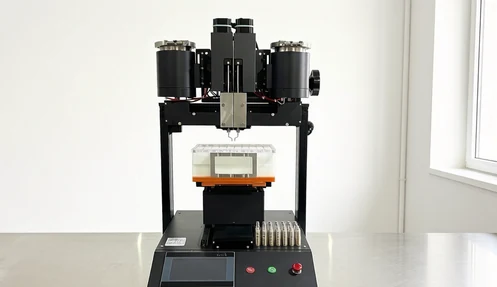
Best Vape Cart Filling Machines
2026-07-28
This guide compares popular vape cartridge filling machines and explains the key factors to consider before selecting the right equipment for your business. Read the complete beginner's guide to vape cartridge filling machines.What Is a Vape Cart Filling Machine?A vape cart filling machine is designed to accurately dispense oil formulations such as CBD oil, distillate, live resin, and other viscous materials into vape cartridges. Compared with manual filling methods, it improves dosing consistency, production efficiency, and process control through features such as precision pumps, temperature management, and adjustable filling parameters. These systems help manufacturers reduce material waste while maintaining stable product quality across different production volumes.Best Fully Automatic Vape Cart Filling MachinesBrandProduct NameKey AdvantagesBest ForVape-JetVape-Jet 4.0Machine vision alignment, automated workflow, high production efficiencyLarge-scale commercial cartridge productionXylem RoboticsX4Integrated loading, filling, and capping; handles thick oils like live rosin and liquid resinManufacturers scaling up automated productionDetroit Dispensing SolutionsCFM-1800Up to 1,800 cartridges/hour, low-temperature dispensing, ±1% dosing accuracyHigh-volume production requiring precisionLongwillFully Automatic Vape Cartridge Filling MachineHigh filling accuracy, stable output, temperature-controlled filling, flexible cartridge compatibilityCBD/vape oil manufacturers requiring efficient automated production1.Vape-Jet 4.0The Vape-Jet 4.0 is a fully automated filling system built for large-scale cartridge production. It combines machine vision alignment with a pharmaceutical-grade pump to improve filling accuracy and reduce manual intervention during operation.With a reported capacity of around 5,000–10,000 cartridges per shift, the system is mainly used for high-volume manufacturing environments where stable output and automated workflow are priorities.2.Xylem Robotics X4The Xylem Robotics X4 focuses on integrating multiple production steps, including cartridge loading, filling, and capping, into one automated process. It is designed to handle demanding formulations such as live rosin and liquid resin, where oil viscosity and filling conditions require careful control.By combining automation with high-speed assembly capabilities, the X4 helps manufacturers streamline production processes and reduce reliance on manual operations.3.Detroit Dispensing Solutions CFM-1800The CFM-1800 is an automated filling and capping system focused on speed and dosing precision. It can achieve up to 1,800 cartridges per hour with approximately ±1% filling accuracy.Its low-temperature dispensing capability, reaching temperatures as low as 50°C, helps protect heat-sensitive formulations and terpene profiles, making it suitable for premium vape oil applications.4.Longwill Fully Automatic Vape Cartridge Filling MachineLongwill’s fully automatic vape cartridge filling machine is designed for CBD oil, vape oil, and other cartridge production applications that require flexible automation.The system supports 0.2–7ml filling per channel, around ±1% filling accuracy, and 0–120°C temperature control to accommodate different oil viscosities. With an output of approximately 800–1,500 cartridges per hour, it provides a balanced solution for manufacturers looking to improve production efficiency while maintaining flexibility across different cartridge formats.Best Semi-Automatic Vape Cart Filling MachinesBrandProduct NameKey AdvantagesBest ForCoolJarzA10 HotShot ProCompact desktop design, 1000ml oil reservoir, temperature control for thick oilsSmall-batch production and brands with limited workspaceVape-JetJet FuelerFoot pedal operation, flexible filling control, handles different oil viscositiesGrowing brands seeking higher efficiency than manual fillingLongwillSemi-Automatic Vape Cartridge Filling MachineAccurate dosing, easy operation, adjustable filling parameters, flexible cartridge compatibilityStartups and small-to-medium manufacturers needing reliable production flexibility1.CoolJarz A10 HotShot ProThe CoolJarz A10 HotShot Pro is a compact semi-automatic filling solution developed for small-batch cartridge production and early-stage product testing. Its desktop design helps save production space while offering a 1,000ml oil reservoir and temperature control capabilities for handling higher-viscosity oils.With a reported capacity of up to 16,000 cartridges per 8-hour shift, the machine provides a practical option for brands that need to increase output while maintaining operational flexibility before moving to a fully automated system.2.Vape-Jet Jet FuelerThe Vape-Jet Jet Fueler is designed to improve filling consistency and reduce the limitations of manual syringe-based processes. Through its foot pedal-controlled operation, operators can manage filling cycles more efficiently while maintaining better control over dispensing volume.The system can support different oil viscosities and achieve approximately 5,000–9,000 cartridges per shift, making it suitable for manufacturers that need higher production efficiency while keeping the flexibility required for changing formulations and batch sizes.3.Longwill Semi-Automatic Vape Cartridge Filling MachineLongwill’s semi-automatic vape cartridge filling machine provides a flexible production solution for startups and growing manufacturers that require accurate filling without the complexity of a fully automated line.The machine supports 0.2–7ml filling per channel with approximately ±1% filling accuracy, helping maintain consistent dosing across different cartridge sizes. Equipped with dual 800ml oil tanks and 0–120°C temperature control, it can accommodate various oil formulations and viscosity requirements.With an output capacity of around 800–1,500 cartridges per hour, Longwill’s semi-automatic system offers a balance between production efficiency, process control, and investment flexibility for manufacturers expanding their vape cartridge operations.Key Factors to Consider When Choosing a Vape Cart Filling MachineSelecting a vape cart filling machine requires evaluating more than just output speed. Factors such as oil properties, filling precision, production scale, and cartridge compatibility all influence whether a machine can deliver stable performance over time. Review the key points to check before buying a vape cartridge filling machine.1.Oil Viscosity and Temperature ControlThe characteristics of vape oil directly affect the filling process. Thicker formulations such as distillate require sufficient heating to maintain smooth flow, while temperature-sensitive materials like live resin and live rosin need controlled filling conditions to preserve their properties.A suitable machine should offer precise temperature regulation and an optimized pumping system to handle different oil viscosities while maintaining consistent dispensing performance.2.Filling Accuracy and Dosing ControlConsistent dosing is critical for cartridge quality and production efficiency. Variations in fill volume can increase material waste and create inconsistencies between products.When comparing machines, manufacturers should focus on pump accuracy, adjustable filling range, and repeatability. Professional filling systems can typically achieve around ±1% filling accuracy, depending on the machine design and application.3.Production Capacity and Automation LevelThe right automation level depends on production goals rather than maximum output alone. Businesses producing limited batches or testing new products often prefer semi-automatic equipment for flexibility, while high-volume operations usually require fully automatic systems.A general selection guide:Production StageRecommended SolutionProduct testingSemi-automatic filling machineGrowing productionSemi-automatic or automatic systemLarge-scale manufacturingFully automatic filling machineMatching machine capacity with actual demand helps improve return on investment.4.Material Quality and Equipment DurabilityBecause filling systems handle oil formulations directly, the quality of contact materials affects both product safety and machine reliability.Key components such as reservoirs, pumps, and tubing should use corrosion-resistant and inert materials, including stainless steel, glass, or pharmaceutical-grade materials, to minimize contamination risks and support long-term operation.5.Cartridge CompatibilityA filling machine should match the cartridge formats and product types used in production. Before purchasing, manufacturers should confirm compatibility with:cartridge size and designfilling volume requirements510 cartridges or disposable vape formatsA flexible system allows easier product expansion and reduces limitations when introducing new cartridge models.Why Choose Longwill Vape Filling Machines?Longwill Machinery specializes in developing vape cartridge filling solutions for CBD oil, vape oil, and cartridge manufacturing applications. The company provides both semi-automatic and fully automatic filling machines to support different production stages, from flexible batch manufacturing to higher-volume production. See which cannabis market segments are driving demand for filling equipment.As a direct filling machine manufacturer, Longwill focuses on:Stable filling performance with precise dosing control and temperature managementFlexible machine configurations for different oil viscosities, cartridge formats, and production requirementsCustomized solutions based on output targets, application needs, and manufacturing processesBy combining equipment development with practical production experience, Longwill helps vape manufacturers improve filling consistency, optimize production workflows, and select the right solution for long-term growth.FAQ About Vape Cart Filling Machines1.Should I choose a semi-automatic or fully automatic vape filling machine?The choice depends on production volume and workflow requirements. Semi-automatic machines are suitable for flexible production and growing brands, while fully automatic systems are better for large-scale manufacturing that requires higher output and reduced manual operation.2.How accurate are vape cartridge filling machines?Professional vape cartridge filling machines can typically achieve around ±1% filling accuracy, depending on machine configuration, oil characteristics, and production conditions. Higher filling accuracy helps reduce material waste and maintain consistent cartridge quality.3.How many cartridges can a vape filling machine produce per hour?Production capacity depends on the machine type. Semi-automatic systems may produce around hundreds to over a thousand cartridges per hour, while fully automatic machines are designed for larger-scale production and can reach several thousand cartridges per shift.4.Why choose a vape filling machine manufacturer instead of a distributor?Working directly with a manufacturer allows better customization, technical support, and equipment configuration based on specific production needs. Manufacturers can help optimize machine settings for different oils, cartridge formats, and output requirements.