
How to Choose a Dab Filling Machine for Solventless Concentrates
In this guide, we’ll walk through the most important factors to consider when choosing a dab filling machine—from pumping and nozzle design to accuracy, scalability, cleaning, and long-term manufacturer support—so you can select a system that fits your production today and grows with you tomorrow.
Dab Machines Viscosity Management
With solventless concentrates, thickness isn’t fixed—it can shift with the formula, room temperature, and even how long the material sits in the system. A well-designed dab machine should keep product flow consistent so you avoid uneven fills, trapped air pockets, unexpected clogs, or the stringy “tailing” that can leave cartridges messy.
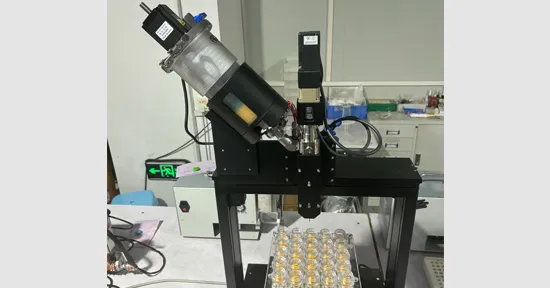
When comparing options, prioritize a heated, compact flow path that reduces cooling, a stable metering/pressure system that doesn’t rely on gravity, and—if your oil is prone to separation—an agitation or mixing feature in the reservoir to keep texture uniform from the first fill to the last.
Precise, Adjustable Heating for a Dab Machine
For solventless concentrates, heating is really about flow control—it helps the material move smoothly through the system rather than “cooking” the product. What you want is a stable viscosity range so the dab machine can dispense cleanly and consistently from the first unit to the last. In many production setups, thick oils are kept within a moderate working zone (often around 30–60°C, depending on the formula and hardware), so steady temperature holding is usually more important than higher heat.
When evaluating a dab filling machine, look for multi-zone heating, such as separate controls for the reservoir and the line/nozzle area, so the oil doesn’t cool and thicken on its way to the tip. It also helps to have fine temperature adjustment and stable regulation (ideally only a few degrees of variation during operation), along with built-in protections like over-temperature safeguards and reliable sensors.
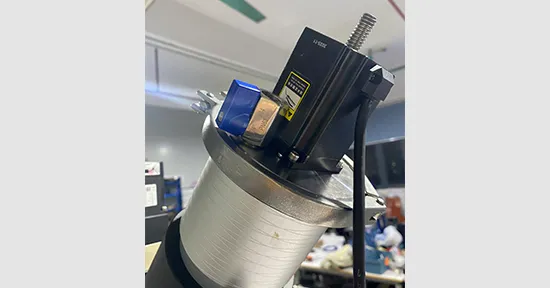
Good thermal control makes a noticeable difference on the floor: fewer clogs in the middle of a run, less slowing or pausing, more consistent fill results over long batches, and less product wasted when the line stops and restarts.
Appropriate Pumping Mechanism for a Dab Machine
The pumping system is a major driver of fill consistency—especially with solventless concentrates, where viscosity can change as the material warms up or cools down. A reliable dab machine is typically paired with a dosing method designed for thicker oils, such as positive-displacement delivery (often piston-style designs), gear metering, or auger/screw feeding for heavier, more paste-like textures.
When comparing options, focus on whether the pump can deliver the same dose repeatedly, stay stable with small viscosity shifts, and start/stop cleanly to reduce dripping, stringing, and messy cut-offs. Be cautious with systems that depend mainly on gravity, produce uneven pressure, or rely solely on timed dispensing without compensation—those setups often drift as soon as the material thickens or the process pauses.
Interchangeable, Wide-Gauge Nozzles
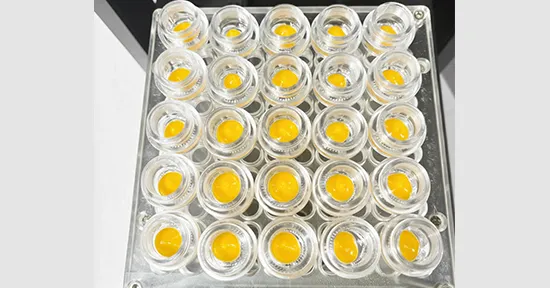
The nozzle is where fill quality becomes obvious. For thick concentrates, a wide-gauge nozzle helps reduce flow resistance and lowers the risk of clogging, while a well-designed tip can improve cut-off so you see less drip and tailing.
If you run different hardware—carts, pods, and disposables—choose a dab machine with interchangeable tips and quick-change nozzle assemblies. Having spare needles/tips on hand makes changeovers faster and helps keep production moving during cleaning or product switches.
Material Compatibility
Over time, solventless concentrates can be hard on certain components—most commonly tubing, seals, and gaskets. For long-term reliability and cleaner operation, look for product-contact parts made from durable, easy-to-sanitize materials (stainless steel is common on contact surfaces), and confirm that the sealing materials are compatible with both your oil and the cleaners you use. It’s also wise to avoid designs that route product through unknown plastics, which can swell, crack, leak, or cause unwanted carryover.
Good material compatibility supports everyday performance: it helps protect product integrity, reduces downtime from seal wear, and minimizes flavor or odor transfer when you run multiple products back-to-back.
Accuracy and Precision for a Dab Filling Machine
For regulated or premium products, consistency is non-negotiable—and “accuracy” is more than a spec line. What really counts is how the dab machine performs over an entire shift, including after pauses, restarts, and reservoir refills. As a practical benchmark, Longwill machines can achieve ±0.01 ml accuracy, helping maintain tighter dosing control, cleaner batch uniformity, and fewer rejects.
When you’re comparing equipment, look for repeatable output across multi-hour runs, stable performance after stop/start events, and straightforward ways to calibrate or fine-tune dosing without turning every adjustment into a lengthy teardown. If small fill swings lead to rework, returns, or compliance concerns, it’s usually better to choose a machine built for repeatability and stability rather than chasing the highest headline speed.
Scalability and Speed
Pick a machine dab that fits today’s production—and supports where you want to be in the next 12–24 months. Start by defining your real demand: are you filling dozens per hour, hundreds per hour, or thousands per day? Will you begin with a single-head setup but eventually need a multi-nozzle configuration? Are new SKUs or additional device formats part of the roadmap?
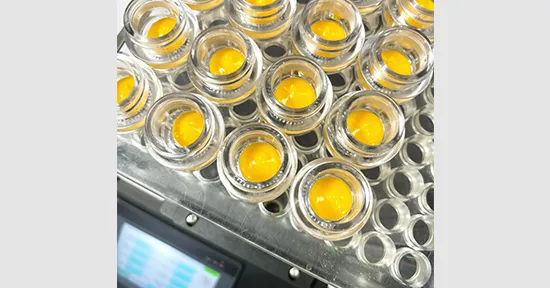
A strong platform lets you scale without starting over. Look for modular upgrade paths (adding nozzles/heads, stepping up automation), consistent performance at higher cycle rates, and a design that expands with your workflow instead of forcing a full replacement as volume grows.
Ease of Cleaning and Maintenance
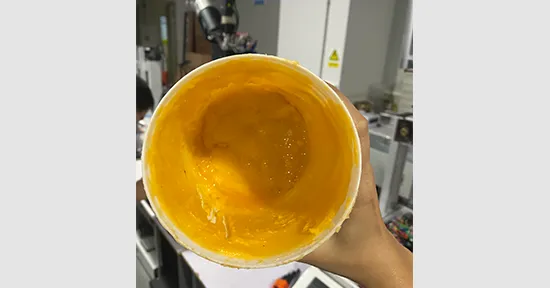
Solventless concentrates are sticky by nature, and cleanup time can quietly become a major operating expense. A machine that looks fast on paper can feel slow in reality if changeovers are messy, disassembly takes too long, or residue builds up in hard-to-reach areas—especially when you switch products frequently.
Prioritize designs with easy access to the reservoir and flow path, fast disassembly for routine cleaning, minimal “dead zones” where oil can settle and harden, and readily available consumables such as seals, nozzles, and filters (if used). In daily production, faster cleaning and smoother changeovers often deliver more value than a small bump in cycle speed.
Machine Dab Versatility
If you run multiple products, the most practical choice is often a machine dab that can adapt without slowing you down. A flexible system should support different day-to-day workflows with minimal changes—so you can move from one SKU to the next without turning every switch into a long setup.
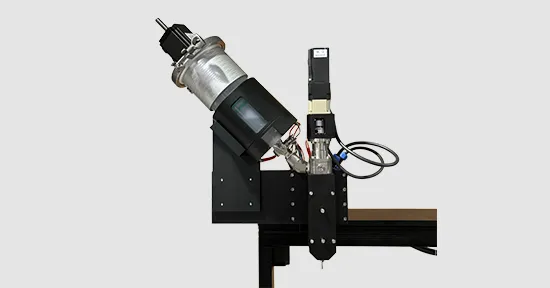
When evaluating versatility, look at the range of supported fill volumes, compatibility with common hardware formats (carts, pods, and disposables), and whether the fixtures/trays/jigs are adjustable or easy to swap. It’s also a plus if the machine can handle viscosity changes with small tweaks—rather than requiring a full reconfiguration whenever the oil texture shifts.
If you change products often, prioritize quick-change tooling, the option to save and recall settings/recipes (when available), and short, repeatable setup routines that help reduce operator error and keep changeovers consistent.
Manufacturer Support
Support can be just as important as the spec sheet—especially when you’re scaling production and uptime becomes critical. With strong manufacturer support, you can troubleshoot faster, keep output consistent, and avoid unnecessary downtime that eats into your schedule.
Look for vendors that provide clear documentation (operation, cleaning, maintenance), dependable spare-parts availability with reasonable lead times, responsive troubleshooting (remote guidance and service options), operator onboarding/training, and straightforward warranty terms.
A few smart questions to ask before you buy:
What are the most common wear parts, and how often are they typically replaced?
What’s included in the accessory kit (spare needles, O-rings, fuses, tools, etc.)?
How is calibration handled, and how long does it usually take?
After purchase, what does support look like—response time, channels, and the service process?
A Longwill dab filling machine is a fully automatic platform built for production efficiency. Automation helps reduce operator variation, improve repeatability, and support higher throughput—while responsive Longwill support and parts availability help keep the system running smoothly as your volume grows. With proper onboarding, ready-to-ship spares, and reliable assistance, it’s easier to maintain consistent performance across shifts and scale confidently as your product line expands.
Conclusion
A well-matched dab filling machine should make production more predictable: smoother flow, cleaner cut-offs, tighter dosing, faster changeovers, and fewer interruptions during long runs. As you compare options, prioritize the fundamentals—viscosity control, adjustable heating, the right pumping method, compatible materials, and easy maintenance—then choose a platform that can scale with your output and product lineup.
Table of Contents